When a contactor design engineer in Pune encountered a prototype that showed a rapidly warming terminal during an infrared check, she first replaced the joint hardware and retorqued the connection. The visible hot spot returned after the next switching sequence. The reversal came when the team reviewed the drawing: the issue was not simply a bad conductor, but an incomplete busbar specification that had left material condition, section, interface treatment, and assembly verification unresolved.
Summary: A T2 Copper Bus Bar, T3 Copper Bus Bar, or Pure Copper Bus Bar label is a starting point for procurement, not a complete suitability decision for a DC contactor. ASTM B187/B187M distinguishes the scope for copper bus bar, rod, and shapes, while IEC 61439 verification applies at assembly level. Specify the material standard, dimensions, temper, finish, joint design, and verification plan together before releasing a drawing.
T2 Copper Bus Bar and T3 Copper Bus Bar descriptions require specification review.
In many purchasing conversations, “T2” and “T3” are used as familiar commercial or regional material descriptions. Their intended meaning must be tied to the governing material standard and the supplier’s documented chemistry, temper, dimensions, and delivery condition. A drawing that names only a grade leaves the electrical designer unable to compare like for like when mills, markets, or converted forms change.
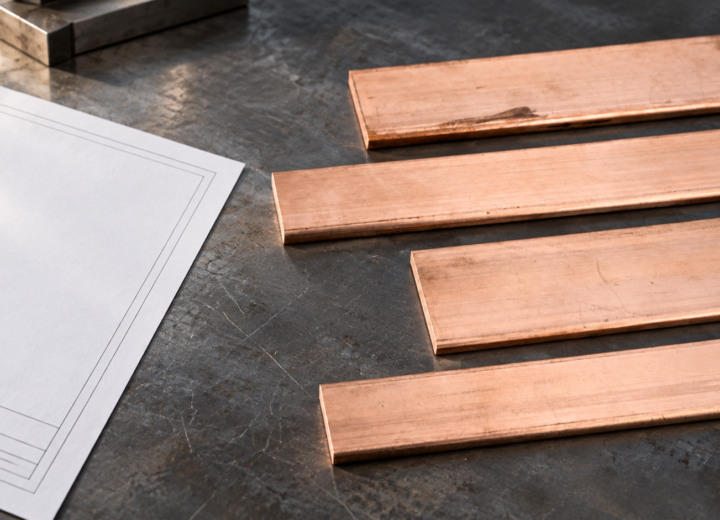
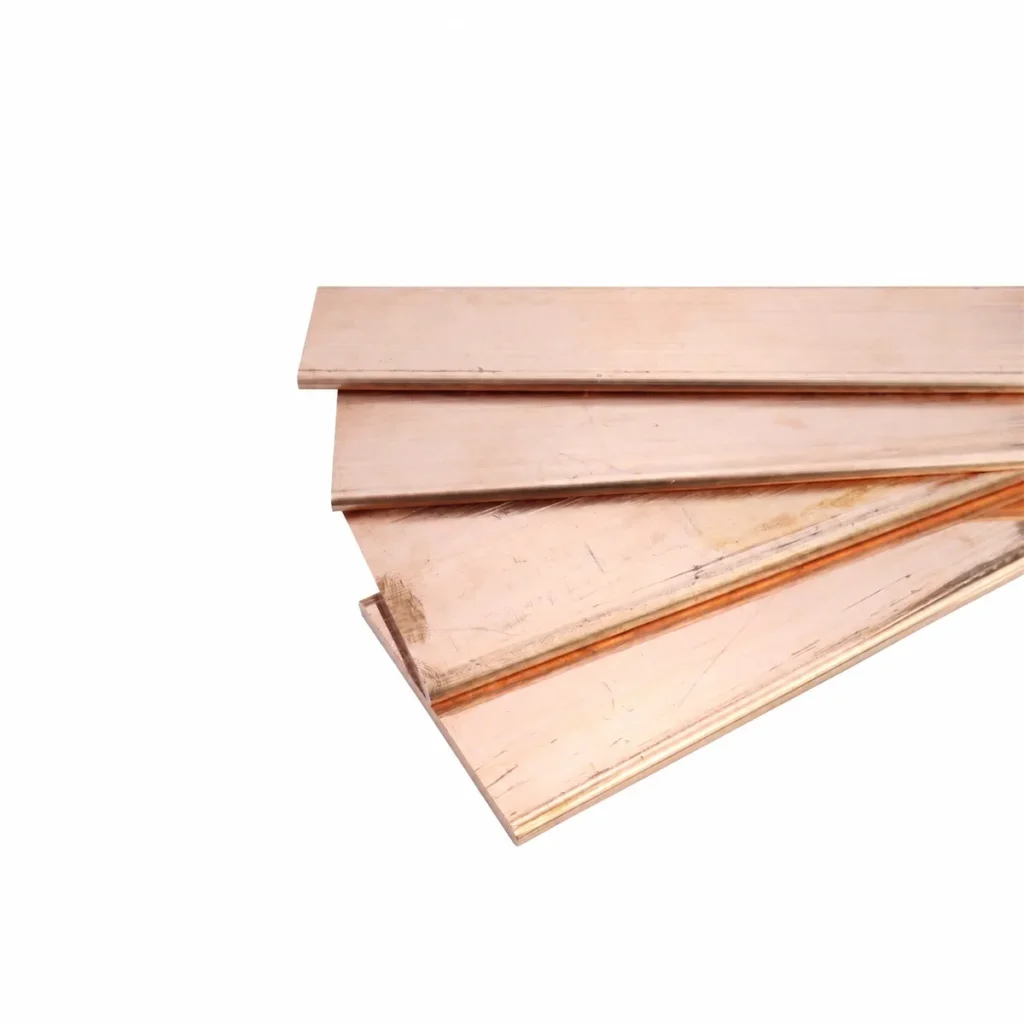
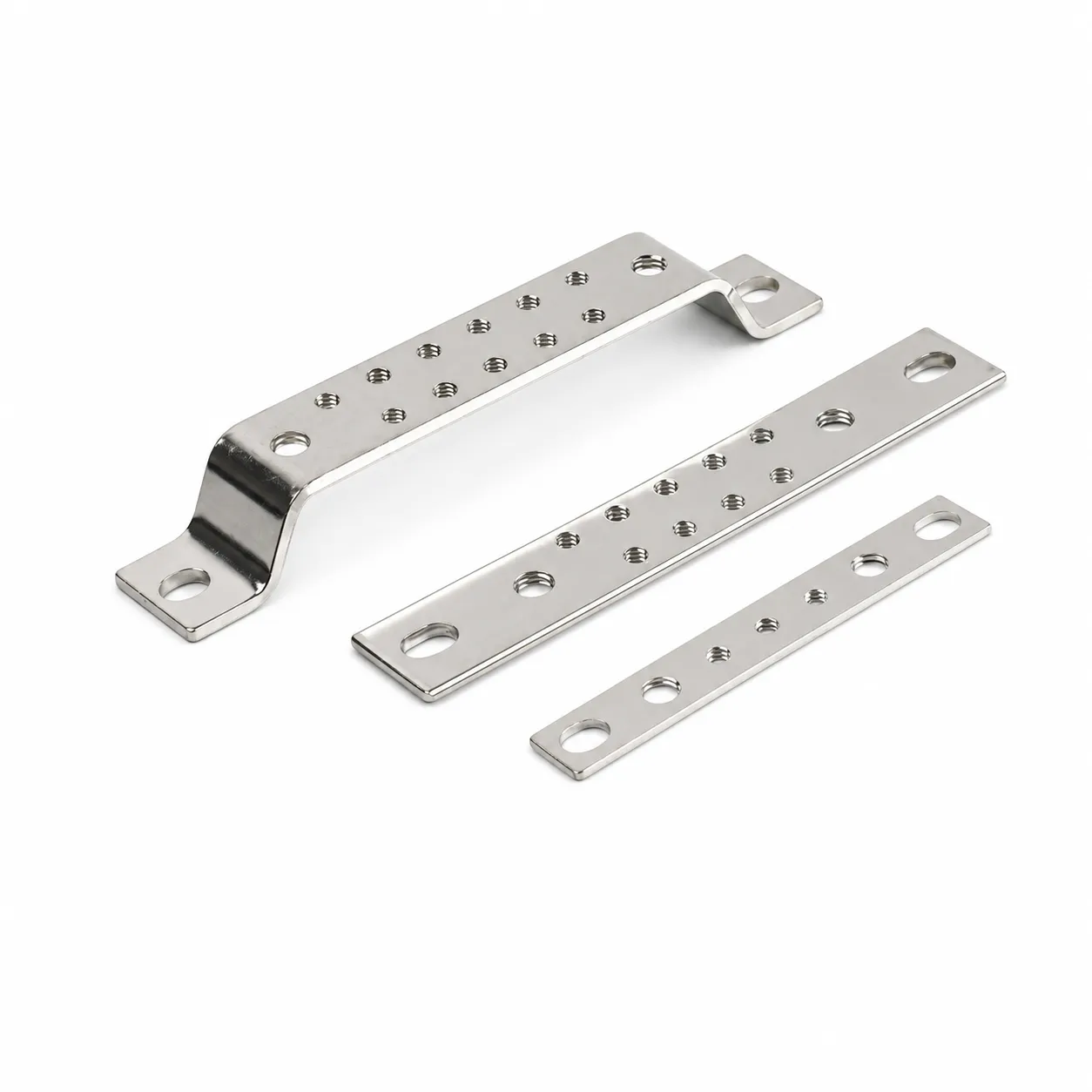
A T2 Copper Bus Bar request therefore needs more than a grade callout. For a fabricated part, record the required cross-section, flatness or straightness where relevant, edge condition, bend features, hole pattern, burr control, and surface finish. The contactor designer also needs the joint stack-up, fastener strategy, and allowable installation process so that fabrication assumptions do not migrate unnoticed into the finished assembly.
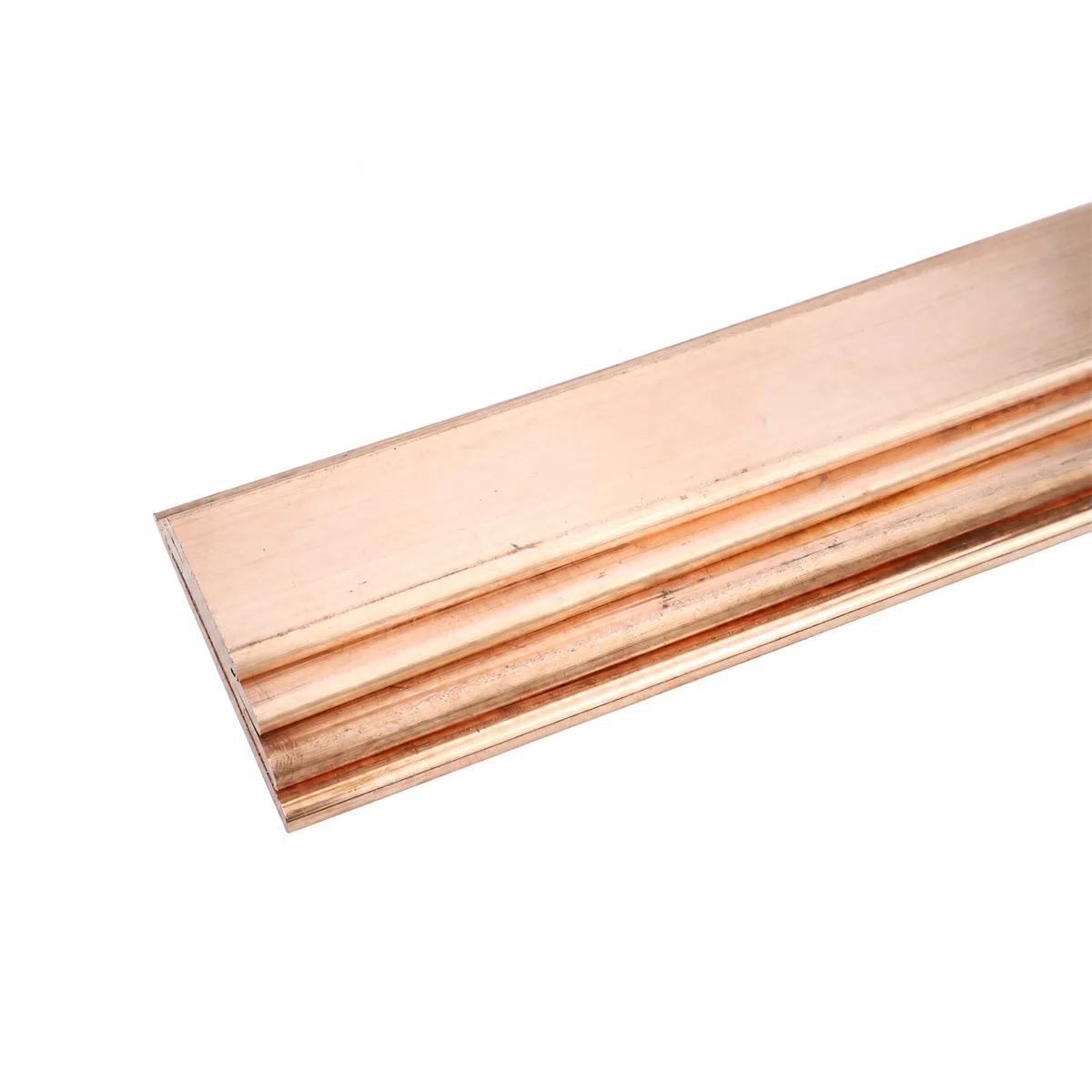
The same caution applies to a T3 Copper Bus Bar description. A change in supplied condition can affect forming behavior, dimensional control, and the way a part is processed, even where a buyer assumes equivalent electrical intent. Procurement should request the exact applicable material designation, certificate format if required by contract, and any conversion or finishing operation that could alter the delivered interface. The designation should also be preserved through any approved material substitution review.
For DC equipment, resistance is only one part of the system question. Local resistance rises at interfaces when real contact area, pressure retention, oxide condition, plating selection, or torque control are poorly managed. A bar with a sound material certificate can still underperform in an assembly if the terminal pad, washer sequence, and tightening method were never treated as an engineered connection.
A Pure Copper Bus Bar comparison must distinguish supplied condition from assembly performance.
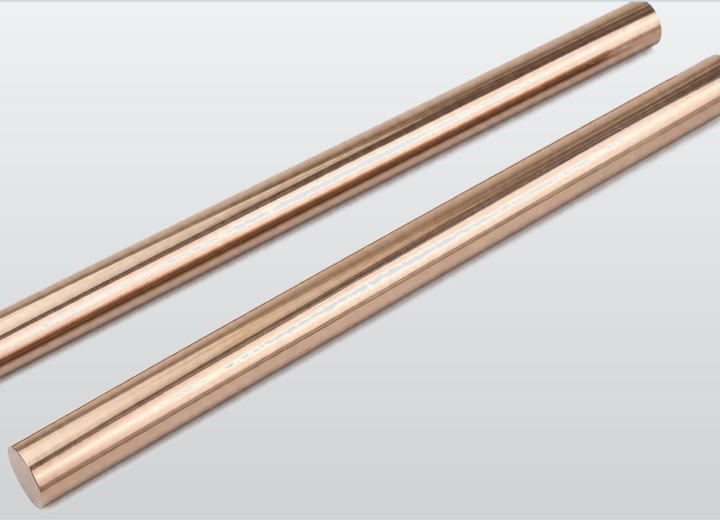
The phrase Pure Copper Bus Bar is often used to signal copper content and conductivity intent, but it should not substitute for a standard-defined purchase description. ASTM B187/B187M addresses copper bus bar, rod, and shapes; ASTM B152/B152M addresses copper sheet, strip, plate, and rolled bar. Selecting the applicable document follows the product form, not the marketing phrase used in an inquiry.
The comparison below is deliberately not a performance ranking. It identifies the questions that expose hidden cost before samples are cut. A lower unit price may be outweighed by rework, additional inspection, altered tooling, or a delayed design-verification loop when the material and fabricated-part requirements were not aligned from the beginning.
| Decision dimension | What to define | Why it matters in a contactor |
|---|---|---|
| Material form | Bus bar/shape or sheet, strip, plate, or rolled bar | Points the purchase specification to the relevant ASTM scope |
| Supplied condition | Designation, temper, thickness, width, and tolerances | Avoids treating familiar trade terms as full engineering requirements |
| Conductive interface | Plating, contact pad finish, hole and burr requirements | Controls variables at the bolted or clamped joint |
| Fabrication route | Cutting, punching, bending, cleaning, and packaging | Supports repeatable fit and protects connection surfaces |
| Verification route | Part checks plus relevant assembly/design verification | Separates incoming conformity from installed performance |
An illustrative cost review makes the distinction practical. If two quotations offer nominally similar copper parts, the comparison should include drawing clarification time, sample iterations, inspection records, rejected hole patterns, plating controls, and the cost of an assembly-level retest. This is not a claim that one designation costs more; it is a reminder that total cost is governed by the quality of the specification and the repeatability of the process. The same review should account for engineering time spent resolving late documentation gaps.
DC contactor conductors carry current through a short but demanding path: the bar must fit fixed terminals, tolerate installation torque, preserve contact quality through service conditions, and work with the surrounding enclosure. Grade shorthand can be useful within an established supply chain, yet it does not establish conductivity, geometry, plating condition, or final thermal behavior on its own.
Ask suppliers to identify the starting form and the finished-part control plan. A contactor bridge, terminal link, or battery-disconnect connection may begin from a copper bar or another rolled product, but the appropriate standard and acceptance criteria should remain traceable. That traceability gives engineering a defensible basis for approving a change rather than relying on a shorthand equivalence.
T3 Copper Bus Bar applications require decisions at the DC contactor assembly level.
A DC contactor is not evaluated by its conductor in isolation. The current path includes terminals, fasteners, insulators, enclosure clearances, heat sources, duty cycle, cable terminations, and the surrounding electrical system. The final conductor performance must therefore be verified at the relevant design or assembly level; it cannot be inferred merely from a T2 or T3 label printed on a quotation.
IEC 61439-1 supplies general rules for low-voltage switchgear and controlgear assemblies, and IEC 61439-2 addresses power switchgear and controlgear assemblies. Where those standards apply, their design-verification framework helps project teams define responsibilities. IEC 60947-4-1 is also the official primary-source reference for low-voltage contactors and motor starters, but citing it does not by itself demonstrate conformity of any individual busbar or finished product.
| Application context | Decision focus | Evidence to request |
|---|---|---|
| DC contactor internal link | Terminal geometry, joint interface, forming sequence | Controlled drawing, material form, dimensional inspection plan |
| Energy-storage cabinet | Assembly layout, cable interface, service accessibility | Assembly verification plan aligned with applicable IEC 61439 scope |
| E-mobility power enclosure | Packaging limits, vibration environment, interconnect routing | Application requirements, joint-process controls, change documentation |
| Industrial control panel | Bar support, neutral or grounding distribution, maintainability | Finished-part dimensions, finish callout, installation instructions |
Inspection should mirror those decisions. Incoming checks can confirm dimensions, surface condition, hole locations, and agreed documentation; a prototype build can confirm fit and installation sequence. The relevant design owner then determines the system testing and validation needed for the intended duty. No universal temperature, current, or life conclusion should be attached to a generic copper designation without that system context.
Standards define the verification route for T2 and T3 copper busbar applications.
Standards should be cited for their actual scope. ASTM B187/B187M is the reference for copper bus bar, rod, and shapes; ASTM B152/B152M covers copper sheet, strip, plate, and rolled bar. They help buyers and suppliers establish a common language for the starting material. They are not a blanket certificate that a custom part will satisfy a particular contactor, cabinet, or traction installation.
IEC 61439-1 and IEC 61439-2 concern applicable low-voltage assembly rules, while IEC 60947-4-1 concerns low-voltage contactors and motor starters. Destination market, intended use, the assembly boundary, and the claims made in documentation determine which requirements matter. Unsupported references create commercial risk because they can turn a quotation shorthand into an implied compliance commitment that the evidence does not support.
A practical release package names the material form, drawing revision, dimensions, finish, fabrication controls, and required inspection records, then assigns final verification to the appropriate design owner. For projects needing configurable copper fittings, busbars, grounding bars, or other conductive parts, Dongyao can work from that defined package rather than treating a grade name as the entire requirement.
Before requesting a quotation, freeze the conductor’s function and interfaces. Confirm whether the item is a current-carrying link, a grounding distribution component, or a neutral connection; the neutral-bar product context can help keep those functions distinct. Then provide the latest controlled drawing, expected finishing requirement, documentation expectation, and the party responsible for assembly validation.
During supplier review, ask what will be measured after fabrication and how changes will be reported. A focused set of questions is more useful than a broad promise of “high conductivity”: Which standard applies to the starting form? What are the finished dimensions? Which surfaces mate electrically? Which production change requires approval? Dongyao’s copper busbar sourcing notes offer additional context for cabinet-project inquiries.
Finally, align sourcing with the product-development gate. Samples should be evaluated against the controlled drawing and the intended assembly process, and production release should preserve the agreed acceptance criteria. Buyers comparing several conductive-part options can also review the available product range while keeping their application-specific validation separate from catalog descriptions.
References support a disciplined busbar specification and sourcing decision.
What distinguishes T2 from T3 copper busbar descriptions in practice?
The practical difference is whatever the governing specification and supplier documentation define for the purchased form and condition. Neither name is enough to approve a contactor conductor by itself. Compare the material designation, dimensions, temper, finish, and the finished-part controls against the drawing before treating two offers as interchangeable.
Does a Pure Copper Bus Bar guarantee lower resistance in a finished contactor?
No. Copper properties matter, but the installed path also depends on section geometry, length, interfaces, contact pressure, surface state, and the surrounding thermal design. Use the complete assembly design and its validation plan to assess the finished current path rather than making the conclusion from a material phrase alone.
Which ASTM standard applies to a fabricated copper busbar?
ASTM B187/B187M covers copper bus bar, rod, and shapes, while ASTM B152/B152M covers copper sheet, strip, plate, and rolled bar. The correct choice depends on the starting product form and the purchase requirement. A fabricator should identify that basis in the quotation or documentation so the buyer can review it.
Can IEC 61439 verification be claimed for a copper part alone?
IEC 61439-1 and IEC 61439-2 address applicable low-voltage assemblies, not a universal standalone approval for every copper component. The responsible design owner should define the assembly boundary and the required verification. Avoid representing a material certificate or component description as evidence for a finished assembly unless the relevant verification supports that claim.
What should a buyer send when requesting a custom DC contactor busbar?
Send the controlled drawing, required material form, dimensions and tolerances, hole and bend details, finish or plating requirements, surface-protection needs, expected documentation, and the intended application. Include the joint and installation context whenever it affects the part. This reduces clarification cycles and gives suppliers a basis for quoting a repeatable fabricated component.
Authoritative references:
3.IEC 61439-1;
4.IEC 61439-2;
The durable decision is to specify the conductor, the connection, and the verification path as one engineering system. When your team is ready to turn those requirements into a custom part discussion, contact Dongyao through its T2 Copper Bus Bar sourcing support with the controlled drawing and application context.
For related conductor products, view the product categories.