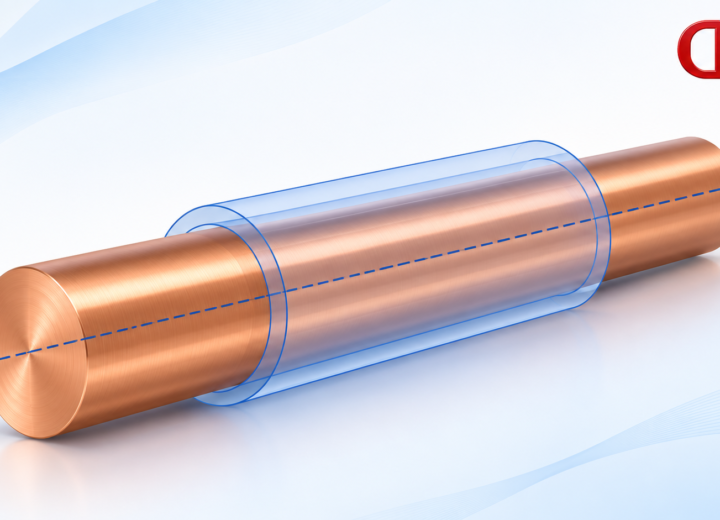

When a maintenance supervisor in Shenzhen saw a controller reset after touching a metal workbench, he clipped a temporary lead to the nearest frame. The nuisance stopped, but a test showed the frame was not bonded to the protective conductor. The issue was an unverified connection, not simply “too much static.”
How does electrical grounding protect a person and equipment?
People use “ground yourself” for two different actions. In an installation, electrical grounding and bonding manage fault current and touch potential. In an ESD programme, a person uses a controlled path, usually a wrist strap or footwear-and-floor system, so charge dissipates within programme limits. Wellness or energy language cannot replace an electrical safety test.
During an insulation fault, current should return through the engineered protective path to the source so the fuse or breaker can operate. The earth electrode alone is not normally the complete fault-clearing route. Consider bonding, conductor size, loop impedance, protective-device characteristics, and clearing time together under the adopted code.
For ESD control, IEC 61340-5-1 uses a controlled resistance path rather than a direct body-to-earth shortcut. A programme specifies its resistance limit and verification interval; the approved design and environment set the value. A continuity beep alone does not prove shock protection or ESD compliance.
When is a ground clamp appropriate for static control?
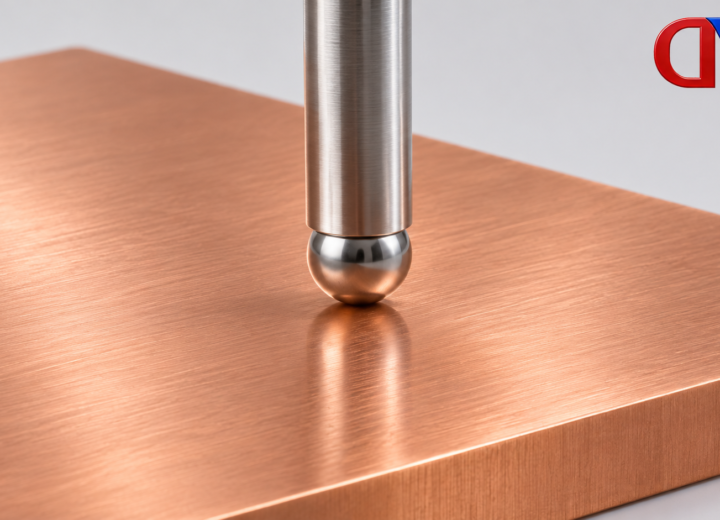
A ground clamp can attach a dissipative mat, bonding lead, drum, or temporary equipotential connection when its jaw range, contact material, current capability, and environmental rating match. Clean the contact area and secure the clamp; paint, oxide, vibration, or thin sheet can create an intermittent path.
Never clamp onto a live conductor, a gas or water pipe used as an unverified electrode, or a neutral conductor. Lock out and test equipment before work. For a production line, document clamp location, lead routing, inspection, and replacement; a low purchase price can be outweighed by resets, scrap, and investigation.
What should a grounding kit include and measure?
A grounding kit is useful only when its parts form a specified system: lead, resistor or impedance control where required, clamp or snap, mat or bonding point, labels, and a tester or verification procedure. Confirm connector compatibility, lead length, resistance range, temperature, chemicals, and operators or assets served. Ask for a drawing or wiring instruction rather than a generic photograph.
| Approach | Primary purpose | Performance and verification | Maintenance and TCO tendency |
|---|---|---|---|
| Protective bonding conductor | Fault-current path for exposed metal | Design calculation, continuity and protective-device review under the adopted code | Scheduled inspection; rework is costly if bonds are inaccessible |
| ESD wrist strap and approved point | Controlled dissipation from one operator | Programme resistance limit and tester records to IEC 61340-5-1 or site procedure | Low unit cost; routine tester checks and replacement of worn cords |
| Clamp-and-lead assembly | Temporary or movable equipotential bond | Jaw contact, lead resistance, strain relief, and attachment point inspection | Fast deployment; higher failure risk if clamps are moved without records |
| Unverified body-to-metal contact | No defensible safety function | Cannot establish code or ESD compliance | Apparent zero cost; potentially high shock, downtime, and liability exposure |
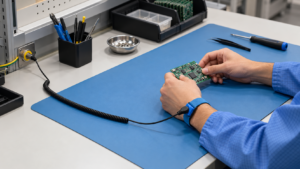
Grounding kit components arranged for a documented ESD connection.
Which electrical grounding dimensions belong on a procurement drawing?
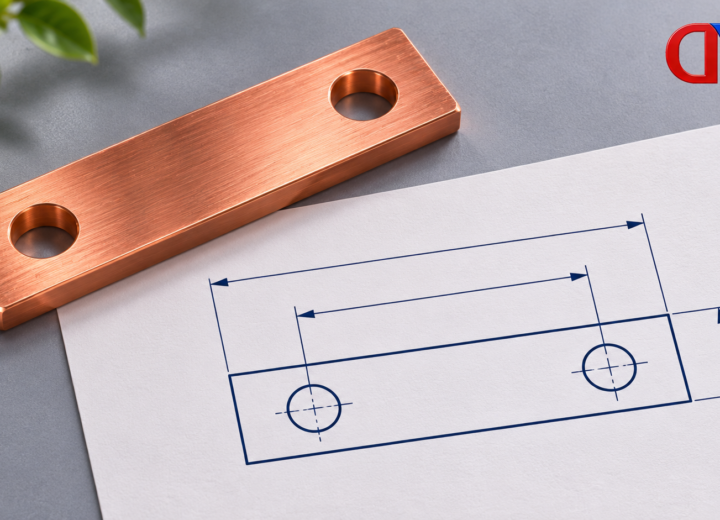
Specify the interface, not only the label “grounding.” Record conductor cross-section or lead gauge, clamp jaw opening, contact area, hole diameter, thread, lug range, lead length, resistance-control component, insulation, finish, and environmental limits. The checklist below is not a product rating; the responsible engineer sets values for the installation and destination market.
| Dimension or feature | Why it matters | Evidence to request |
|---|---|---|
| Clamp jaw opening and contact geometry | Determines fit on the designated bar, stud, or sheet | Drawing, tolerance, material, and fit sample |
| Lead length, conductor size, and strain relief | Controls routing, voltage drop, mechanical pull, and trip hazards | Assembly specification and pull/continuity method |
| Resistance or impedance control | Separates ESD dissipation from an unsafe direct path | Component value, tolerance, test voltage, and records |
| Threads, lugs, snaps, and hole pitch | Prevents incompatible or loose interfaces | Interface schedule, torque instruction, and inspection points |
| Finish and environment | Addresses corrosion, chemicals, temperature, and repeated movement | Material/finish designation and environmental test scope |
Review DONGYAO’s electrical grounding bars and copper busbars alongside copper plates, brass plates, and electrical connection components against the approved drawing. DONGYAO can discuss material, fabrication, and OEM sourcing; the installation designer and qualified electrician approve the complete protective path.
How should a buyer select electrical grounding components?
- Classify the hazard. Decide whether the need is protective fault bonding, ESD control, lightning protection, or a non-electrical wellness request.
- Map the complete path. Identify source, protective device, exposed metal, approved attachment point, conductor, and expected fault or discharge conditions.
- Freeze interfaces and tests. Approve dimensions, materials, torque, resistance limits, inspection frequency, and records before purchase.
- Control installation. Use lockout/tagout and a qualified electrician for energized systems; release the equipment only after documented verification.
DONGYAO supports B2B/OEM sourcing for copper busbars and grounding bars, copper plates, brass plates, and electrical connection components. Submit material, dimensions, interfaces, finish, inspection evidence, and destination market through the service page; this does not assume a certified kit, stock position, or complete grounding system.
Frequently Asked Questions
How to immediately ground yourself?
For a suspected electrical fault, step away, isolate the source, and call a qualified electrician; do not touch a panel, appliance, or improvised metal connection. For a controlled ESD workstation, connect to the approved personnel grounding point using the site procedure and verify the strap or footwear system before handling sensitive parts.
How can I remove static electricity from my body?
Use an approved ESD wrist strap or footwear-and-floor system, maintain the specified humidity and clothing controls, and test the system as required by the site programme. Touching an unknown pipe, receptacle ground, or machine frame is not a reliable or safe substitute.
What are the symptoms of lack of grounding?
Electrical symptoms can include tingling, shocks, nuisance trips, resets, or unexpected touch voltage; these require immediate isolation and professional assessment. “Low energy” or similar wellness sensations cannot diagnose an electrical grounding condition.
How to ground your own energy?
Breathing, walking, or other wellbeing practices may help someone feel settled, but they do not ground an electrical circuit or remove shock risk. Keep those claims separate from equipment safety, and use a qualified practitioner or electrician for the relevant issue.
Where can engineers verify electrical grounding guidance?
Grounding is a verified system path, not a shortcut: classify the hazard, specify the interface, and test the assembled connection. DONGYAO’s B2B team can review drawings/specifications for copper busbars and grounding bars, copper plates, brass plates, and electrical connection components, then discuss OEM sourcing via the contact page; final installation approval remains with the responsible engineer.
For related conductor products, view the product categories.