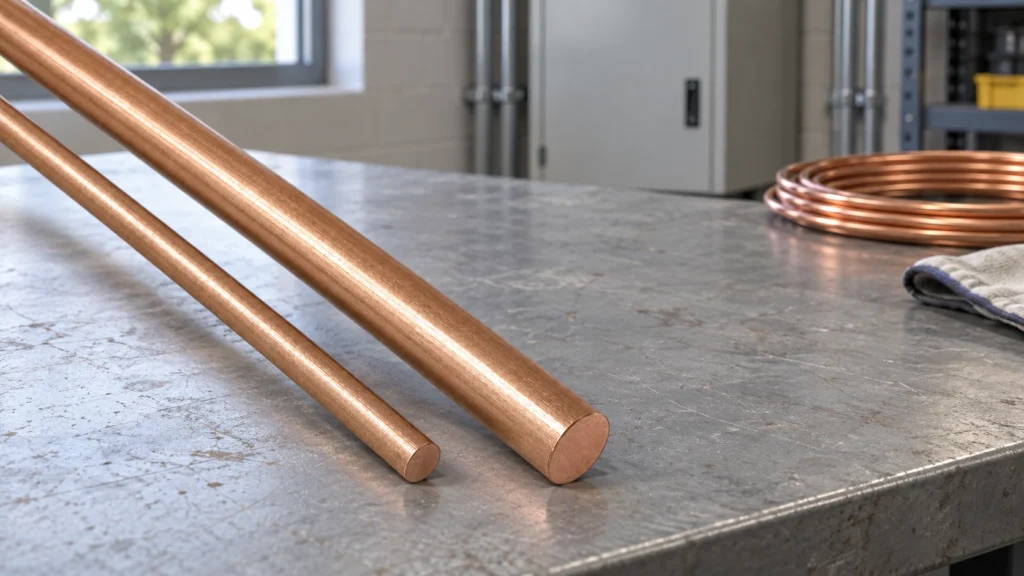
When a site electrician in Phoenix drove a rod into hard soil, it stopped halfway, bent at the head, and exposed the risk of a buried service. The reversal was clear: the root cause was location and driving method, not a defective rod. Resolve the obstruction before applying more force.
How does a grounding rod installation begin safely?
Start with the approved electrical drawing, utility information, soil conditions, and access for inspection. A qualified installer should identify the electrode conductor route and any existing electrodes before choosing a location. Keep the work away from buried gas, water, power, and communications services.
OSHA 1926.651(b) requires underground installations to be identified before excavation, including contacting utility owners and determining locations as work approaches. Local rules can supersede its 24-hour response provision; waiting a day is not permission to drive into an unverified area. Follow the applicable locating process before excavation or driving.
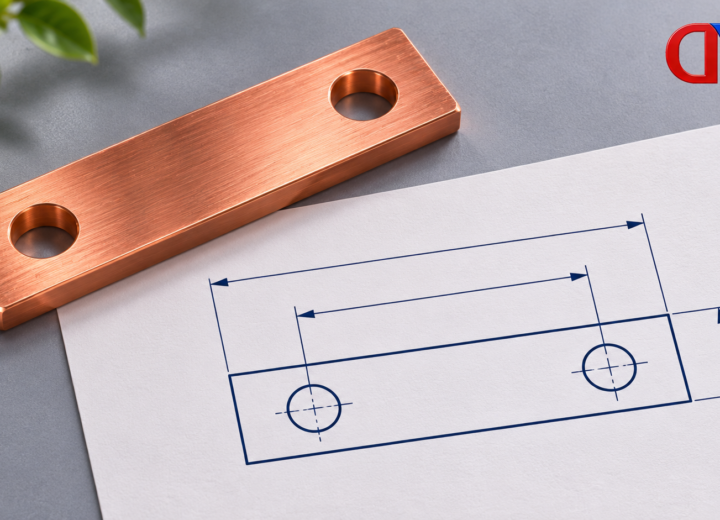
Check that the grounding rod, driver, conductor, and connector match the specification. Align copper connection parts with the approved drawing, including conductor sizes and mounting dimensions.
How deep should a grounding rod go?
Under familiar NEC Article 250 provisions, rod electrodes generally need at least 8 ft (2.44 m) of soil contact. A common diameter requirement is 5/8 in unless the applicable listed-electrode exception applies; confirm the adopted edition and product documentation.
Use a driving head and tool intended for the electrode. Keep the rod aligned and protect its end and coating from direct, uncontrolled hammer blows. Stop when progress stalls, the rod bends, or an obstruction is suspected. Do not shorten the electrode to make the installation appear finished.
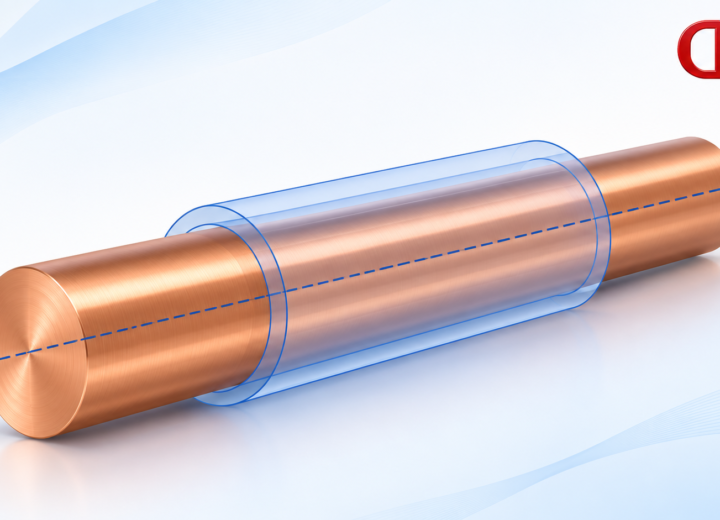
A copper grounding rod may be solid copper or a specified copper-clad construction; those descriptions do not establish equivalent approvals. Where rock prevents vertical installation, permitted angled or trench arrangements must follow the adopted code and authority having jurisdiction.
How does a grounding rod system connect multiple electrodes?
Additional rods should form one coordinated electrode system, not isolated earth connections for separate equipment. Use a common electrode conductor or another approved interconnected layout. Familiar NEC provisions specify at least 6 ft (1.83 m) between rods; wider spacing may be appropriate when the design considers soil and electrode interaction.
OSHA 1926.404(f)(10), for US construction work, requires a single rod, pipe, or plate electrode above 25 ohms to be augmented by one additional electrode no closer than 6 ft. This is a scoped rule, not a universal resistance target or a guarantee that two rods meet every project’s requirements.
Use listed direct-burial connectors or qualified irreversible joins accepted for the application. Match rod diameter, conductor material and range, and instructions; do not substitute an ordinary terminal for a buried clamp. Copper feedstock information is not proof of electrode approval.
How should a grounding rod system be tested and bonded?
Record electrode locations, connections, and test conditions. A fall-of-potential test uses an instrument and auxiliary probes; place probes to avoid overlap. Clamp-on testing needs a suitable return path and cannot test an isolated new electrode.
Never disconnect an energized grounding connection to obtain a reading. A qualified person should choose a safe test arrangement and any required isolation procedure. Soil moisture and nearby buried conductors can change measured results, so one reading without its method and conditions is weak acceptance evidence.
Apply the 25-ohm provision only where its governing rule applies. Separately verify the protective bonding path required by the project: the electrode conductor connects to earth, while protective bonding provides the fault-current path toward the source.
Which grounding rod choices affect lifetime value?
Compare the grounding rod arrangement: inaccessible joints and connector replacement add lifecycle costs.
| Choice | Immediate benefit | Lifetime consideration |
|---|---|---|
| Approved electrode construction | Matches the design requirement | Coating damage and soil exposure affect durability |
| Listed buried connector | Documented application and conductor range | Correct installation reduces avoidable joint rework |
| Qualified irreversible joint | Permanent connection where specified | Needs compatible materials and controlled workmanship |
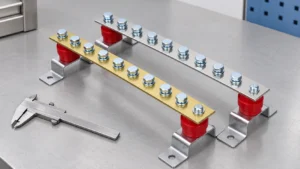
| Accessible distribution bar | Organized copper conductor terminations | Inspection access matters; it does not replace the electrode |
Which standards govern a grounding rod installation?
NFPA 70, the National Electrical Code, addresses electrical installations; local adoption determines the applicable edition and amendments. Its electrode requirements are not a worldwide installation specification.
OSHA 1926.404 addresses electrical safety in US construction, including the cited electrode augmentation rule. OSHA 1926.651 addresses excavation safety, including buried-service identification. Neither establishes a certification for a supplier’s copper parts. Unsupported compliance claims can cause rejected submittals, delayed commissioning, and replacement costs.
How should buyers select grounding rod connection hardware?
- Confirm the destination code, approved drawing, and electrode type.
- Specify conductor material and size, rod diameter, and burial exposure.
- Request connector listing evidence and installation instructions where required.
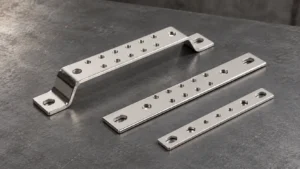
- Check copper bar dimensions, termination layout, and inspection access.
DONGYAO, Wenzhou Dongyao Trading Co., Ltd., supplies copper and aluminum materials, custom copper fittings, and copper busbars or grounding bars. The traffic terms ground rod installation and copper grounding rod describe search topics, not DONGYAO products. For procurement context, review the service information and copper rod material page. Its tin-plated copper terminals can be evaluated for the specified connection interface; this does not establish suitability as buried electrode connectors.
What do installers ask about a grounding rod?
How do you install a copper grounding rod?
Locate utilities, confirm the approved electrode specification, and have a qualified installer drive it with suitable protective tooling. Connect the conductor using an accepted connector or join, then test and document the system. Stop for obstructions rather than damaging or shortening the rod.
How to connect grounding rods together?
Interconnect them through a common electrode conductor or another approved layout. Use connectors accepted for the materials and burial conditions, and observe the applicable spacing requirement. Do not create unrelated earth connections for equipment that requires a coordinated bonding system.
What are the installation requirements for ground rods?
Requirements cover location safety, electrode dimensions, soil contact, connections, conductor sizing, and bonding. Familiar US provisions include 8 ft of soil contact and at least 6 ft between rods, with defined exceptions. The adopted code and approving authority control the actual project.
How to install an earthing rod?
Use the same sequence of utility location, approved electrode placement, compatible connections, and safe testing. “Earthing” terminology does not make US dimensions or resistance rules applicable elsewhere. A qualified local installer must apply the destination country’s requirements.
References
- OSHA 1926.404: US construction electrical requirements, including paragraph (f)(10).
- OSHA 1926.651: excavation requirements, including underground installations in paragraph (b).
- NFPA 70: National Electrical Code scope and edition information.
For custom grounding copper bars and copper connection interfaces, review DONGYAO’s custom grounding copper bars and contact the team with your drawing, material, hole pattern, and finish requirements.
For related conductor products, view the product categories.