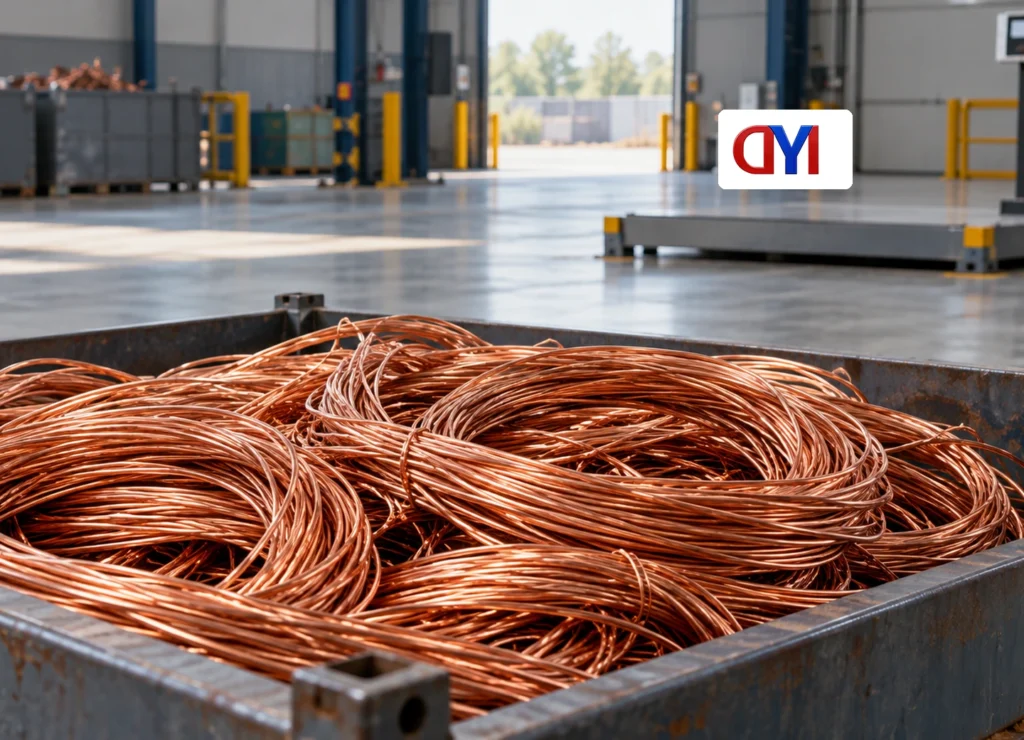
Illustrative scenario: When a buyer in Birmingham compared two wire-scrap offers, the higher price per kilogram initially looked better. The difference disappeared when one buyer deducted insulation and the other quoted on accepted net metal. The settlement basis, rather than the headline rate, determined the return.
Summary: There is no universal scrap settlement price. The World Bank’s September 2026 refined-copper average was US$14,474 per metric tonne, or about US$14.47/kg; it is a historical benchmark, not a scrap offer. Request a dated, grade-specific scrap assessment, then compare finished-part quotes against the same material specification and delivery terms.
The World Bank’s October 2026 Pink Sheet provides a useful reference point for the metal component of a quotation. Actual scrap settlement depends on recoverable copper, contamination, processing and commercial terms. For finished-part sourcing, use copper scrap price as an input to a specification-based quotation, alongside the drawing, required grade and acceptance documents.
A refined-metal benchmark is different from a scrap offer
The Pink Sheet defines its copper series as LME standard Grade A cathodes and wire bar shapes, physical settlement. Its monthly averages were US$13,543/t in July, US$14,326/t in August and US$14,474/t in September 2026. These are refined-metal observations, not offers for mixed scrap or prices guaranteed on 20 October 2026.
A useful copper scrap price quote identifies the material category, inspection or assay basis, payable weight and settlement date. Ask whether deductions cover non-copper material, processing, freight or other charges, and whether the quoted weight is gross shipment weight or accepted copper-bearing weight. A high headline rate can be misleading if the payable quantity is unclear.
Wire scrap depends on recoverable metal and settlement terms
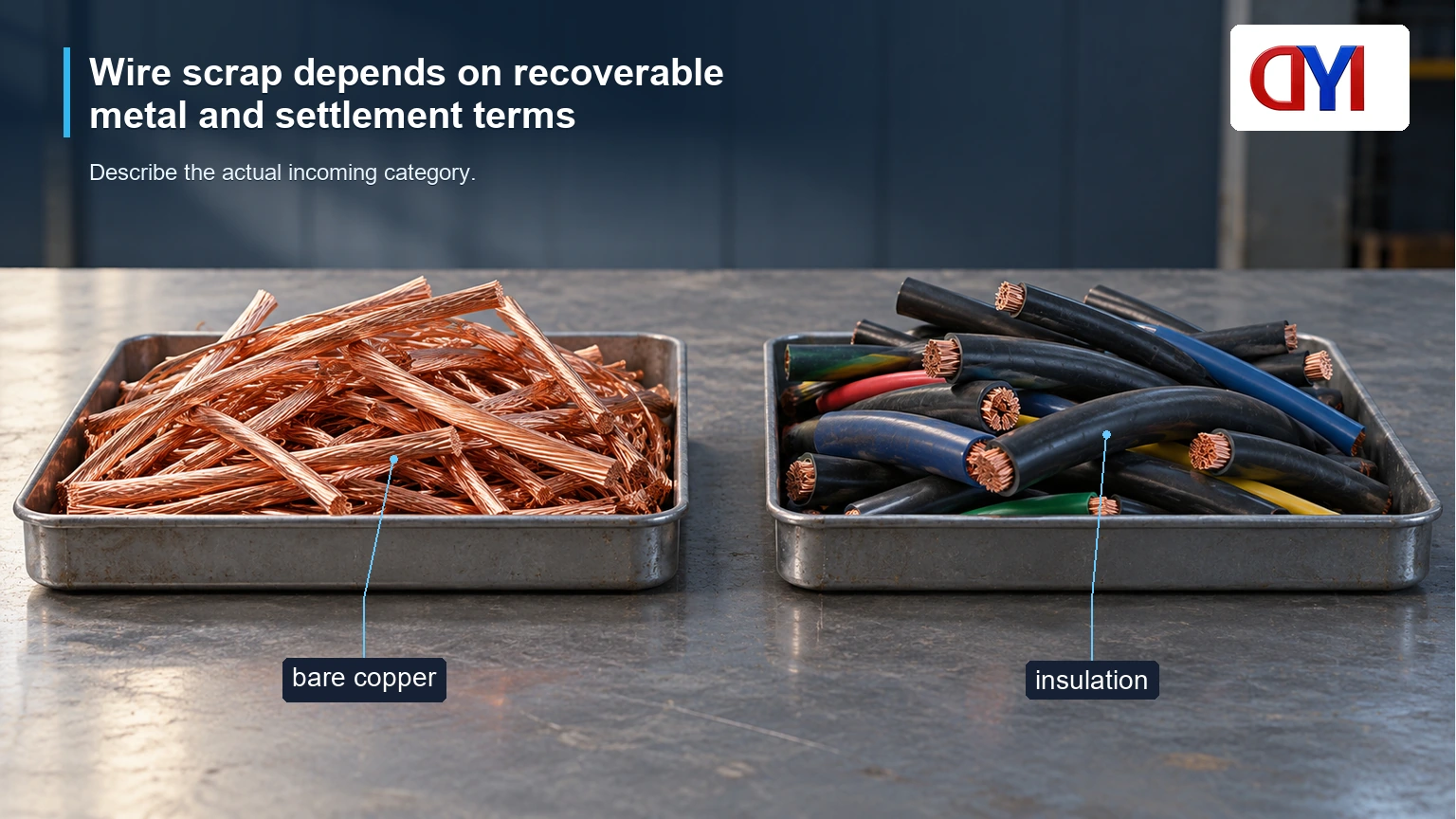
The copper wire scrap price for clean, uncoated conductor cannot be assumed for insulated cable. Insulation, terminals, coatings and mixed conductors change recoverable copper and handling requirements. Segregation and an agreed sampling method help both parties understand what the lot contains; a visual estimate alone does not establish chemistry.
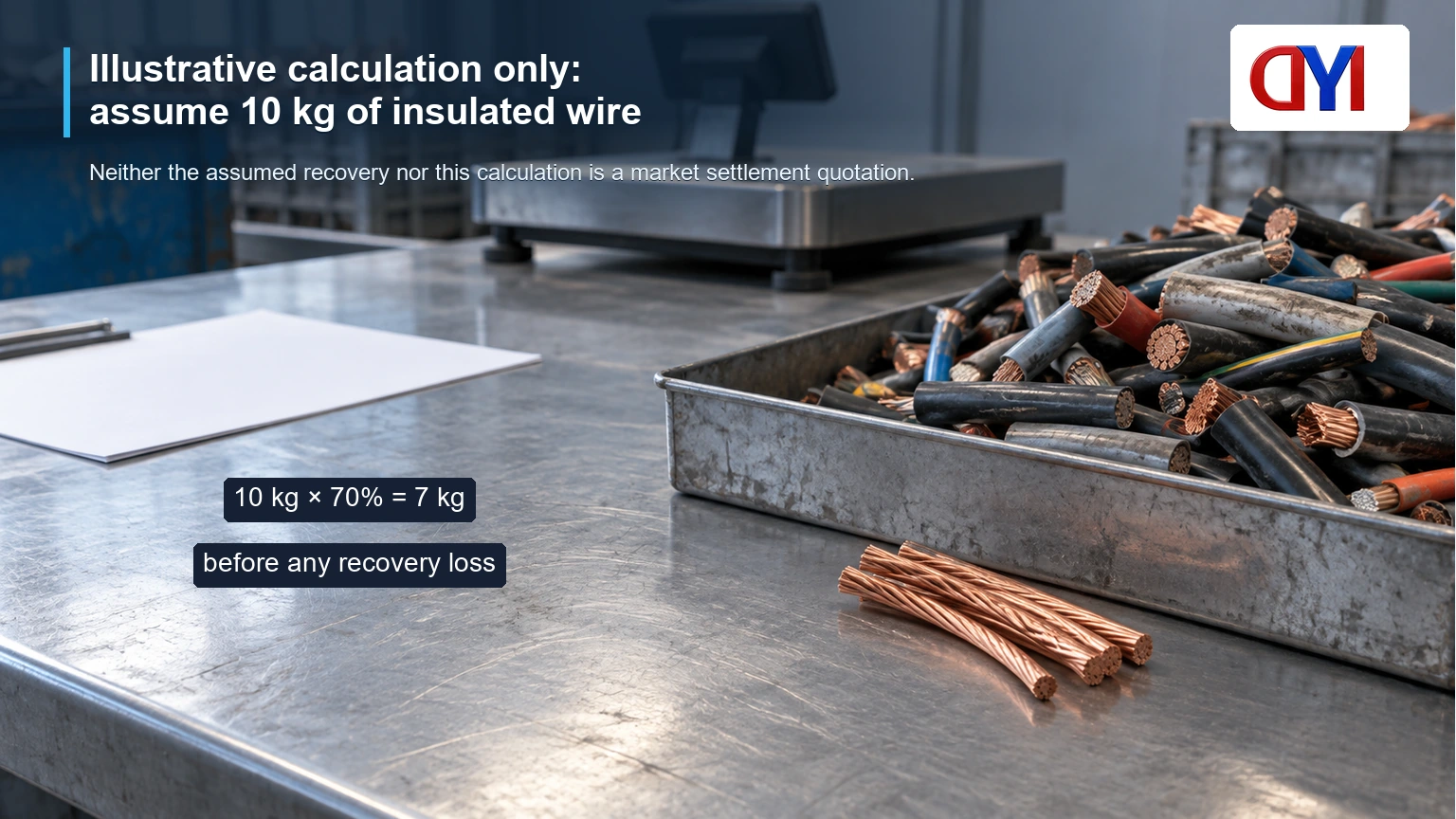
Illustrative calculation only: assume 10 kg of insulated wire contains 70% recoverable copper. That gives 7 kg of copper, with a theoretical metal value of about US$101.32 using the September benchmark, before any recovery loss, processing, transport or commercial deductions. Neither the assumed recovery nor this calculation is a market settlement quotation.
The International Copper Association explains that copper can be recycled repeatedly without losing performance. That does not make incoming mixed scrap automatically suitable for electrical components: sorting, refining and production controls still determine the resulting grade.
Cathode prices exclude the conversion into a finished part
A copper cathode price reference values metal of an agreed refined grade; incoming scrap composition varies. Mixed or contaminated scrap is assessed on recoverable copper and necessary processing deductions relative to a refined benchmark, with no universal scrap–cathode price spread. Cathode can originate from primary or recycled sources, and properly processed recycled copper can match the required final grade. The World Bank’s historical US$14.47/kg figure does not establish origin or finished-component cost.
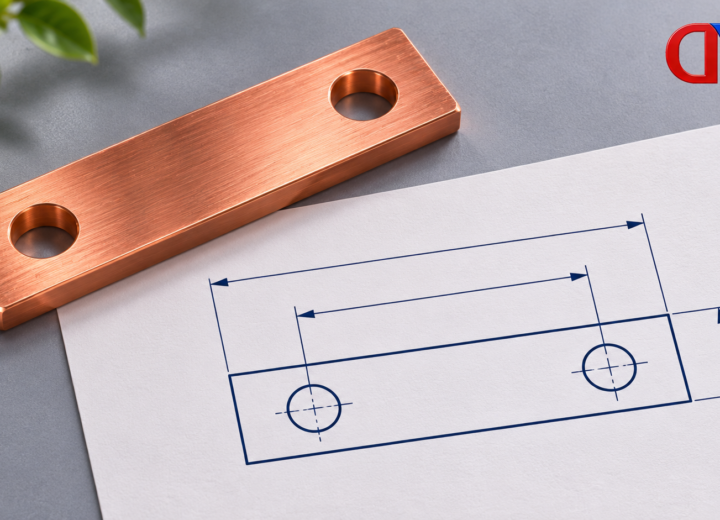
For copper busbars, the quotation must also address section size, cut length, holes, bends, finish and inspection. Buyers pay for usable geometry and verified properties as well as metal. ASTM B152/B152M distinguishes specified copper grades for its covered product forms; a price comparison cannot replace the required grade and product specification.
Compare materials at the stage you actually need
Compare materials at the stage actually needed. The International Copper Association’s recycling guidance supports evaluating final properties, rather than assigning a universal quality advantage to primary or secondary origin.
| Material stage | Value included | Buyer must resolve |
|---|---|---|
| Segregated scrap | Recoverable metal in the agreed lot | Composition, payable yield and recovery charges |
| Refined cathode | Refined metal in a specified form | Conversion into the required stock or component |
| Finished stock | Specified section, dimensions and condition | Remaining machining, tolerances and inspection |
| Custom component | Agreed material plus fabrication operations | Drawing acceptance, documentation and delivered terms |
For a finished-part buyer, the relevant comparison is delivered cost per accepted part. A lower raw-metal figure may require additional conversion, testing and lead time before it becomes usable.
Record the cost drivers beside the metal basis
Separate the reference metal value from the work needed to satisfy the order. Specify the quotation’s validity period so a changing benchmark does not obscure fabrication charges.
| Cost driver | Information to request | Commercial effect |
|---|---|---|
| Metal basis | Reference date, currency, unit and adjustment method | Makes raw-cost movements visible |
| Material requirement | Grade, chemistry, condition and traceability | Defines acceptable supply routes |
| Conversion | Cutting, bending, punching and surface treatment | Identifies the fabrication scope |
| Geometry and quantity | Drawing revision, tolerances, batch size and yield | Explains setup and material-utilization differences |
| Delivery and acceptance | Packaging, freight, taxes and agreed inspection | Reveals the delivered purchasing obligation |
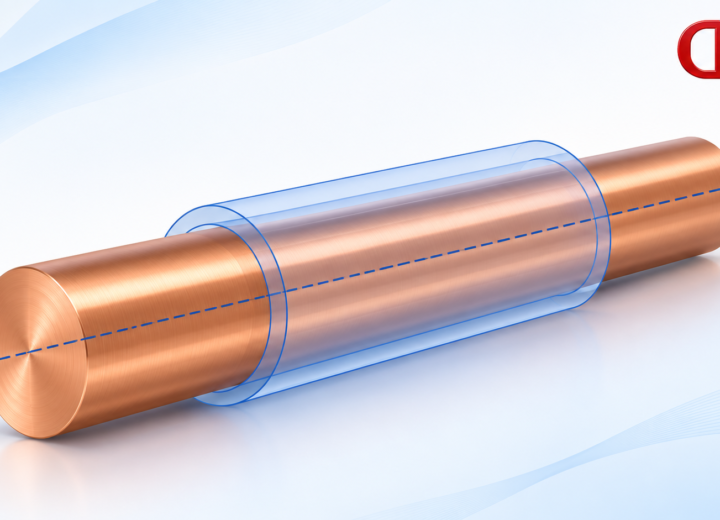
For copper rods, provide diameter, length, condition and the intended operation. Confirm whether the quoted quantity means purchased stock weight or accepted finished pieces, particularly where machining removes substantial material.
Use material specifications to define acceptance
The Copper Development Association lists ASTM B152/B152M for covered copper sheet, strip, plate and rolled bar, and ASTM B187/B187M for applicable busbar, rod and shape products in its C11000 alloy information. Match the specification to the supplied form, grade and condition, and confirm the required edition with the supplier. A material specification does not set fabrication prices or certify an entire electrical assembly.
Do not treat T2 and oxygen-free copper as interchangeable names. State the applicable grade system and required properties, then request documents tied to the supplied batch. Depending on the application, acceptance may need composition, conductivity, dimensional and other agreed checks. Unsupported grade claims can create rejection or rework even when the quoted metal cost looks attractive.
Ask for the settlement calculation in writing: accepted weight, the agreed grade or assay basis, any recovery factor, the payable rate and separately identified deductions. An explicitly illustrative comparison is 100 kg accepted at US$8/kg less US$30 transport, giving US$770, versus the same accepted weight at US$7.80/kg with transport included, giving US$780. These invented rates explain the arithmetic only and are not quotations for 20 October 2026. Do not subtract a recovery factor twice if the buyer’s quoted rate already applies to the incoming grade.
Turn the comparison into a sourcing decision
DONGYAO, Wenzhou Dongyao Trading Co., Ltd., supplies copper busbars, rods and plates with supported customization including cutting, bending, punching and surface treatment. Its role here is finished copper procurement; this guide does not represent an offer to buy or sell scrap.
- Define the part: send the drawing, quantity, grade, tolerances, surface requirements and intended use.
- Agree the material route: evaluate composition, conductivity, traceability and processing against the required final properties. Do not assume every product accepts scrap feedstock; the official plate page specifically describes electrolytic feedstock.
- Separate quote components: request a transparent metal basis, reasonable fabrication charges and clear freight and tax terms.
- Set acceptance before ordering: agree documentation, inspection criteria and drawing revision so suppliers quote the same obligation.
Frequently asked questions
What is the price of 1 kg of copper cathode?
The World Bank’s September 2026 refined-copper average converts to approximately US$14.47/kg. It is a historical benchmark, not a current delivered cathode quotation; premiums, freight, taxes and order terms require confirmation.
What is the price of cathode copper?
The October 2026 Pink Sheet reports September’s average at US$14,474 per metric tonne for its defined refined-copper series. Use that dated reference for context and obtain a supplier quote for the required grade, location and settlement date.
How much is 1 ton of copper cathode?
If “ton” means a metric tonne of 1,000 kg, the September 2026 reference is US$14,474. A US short ton is about 907.185 kg, so it is a different quantity; specify the unit before comparing offers.
How much is 1 kg of copper wire?
One kilogram of finished copper wire includes conversion and its specified dimensions, condition and finish. Insulated wire scrap contains a variable copper fraction, so neither product can be priced directly from the US$14.47/kg historical refined-metal reference.
References
- World Bank, Commodities Price Data (Pink Sheet), October 2026: monthly copper observations and commodity definition; checked 20 October 2026.
- International Copper Association, Copper Recycling: recyclability and the performance of properly produced recycled copper.
- CDA C11000 alloy data and product specifications: material identity and specifications for applicable product forms.
Buy the accepted part, with the metal basis visible.
For custom copper plates, contact DONGYAO with your drawing, required grade, quantity and acceptance documents to request a specification-based quotation.
For related conductor products, view the product categories.