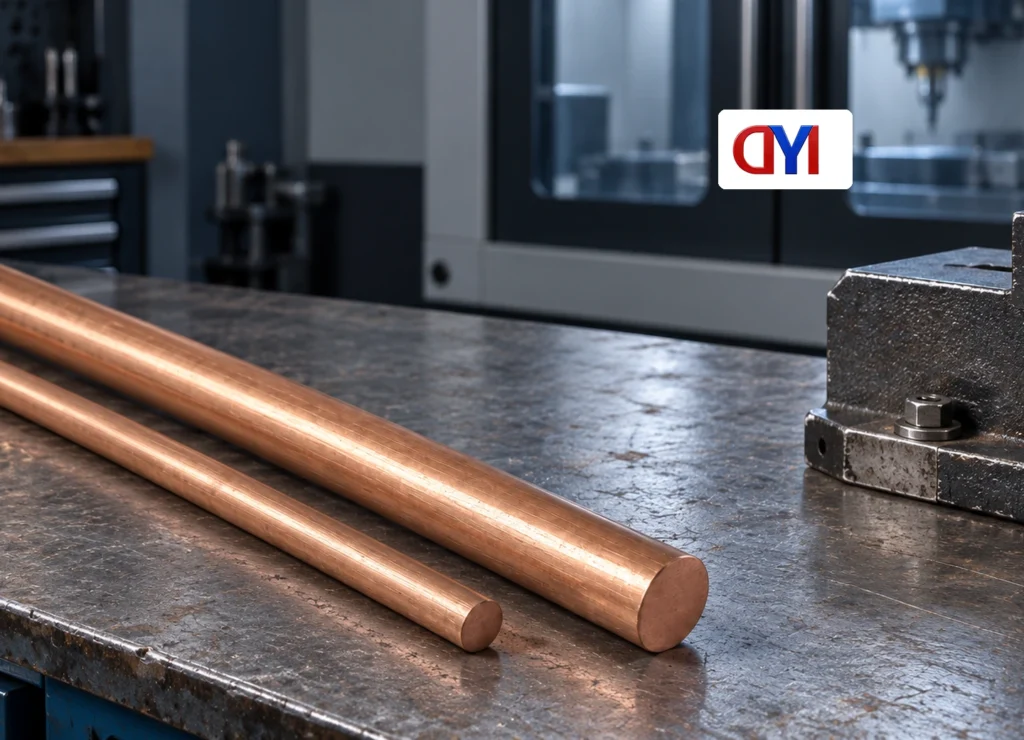
When a toolroom engineer in Leicester, Hannah, encountered persistent burrs and an undersized electrode blank, changing the cutting tool seemed sufficient. In this illustrative scenario, the stock condition and cleanup allowance had never been agreed. A revised blank specification addressed the problem before the next machining trial.
Summary: A copper electrode rod is stock for a particular electrode-making process, not a universal welding consumable. Specify grade, temper, diameter and machining allowance, then qualify the cutting process. ASTM B187/B187M defines copper stock requirements, while ASTM B193 addresses resistivity; neither provides universal spindle settings or finished-electrode performance.
Identify the electrode process first
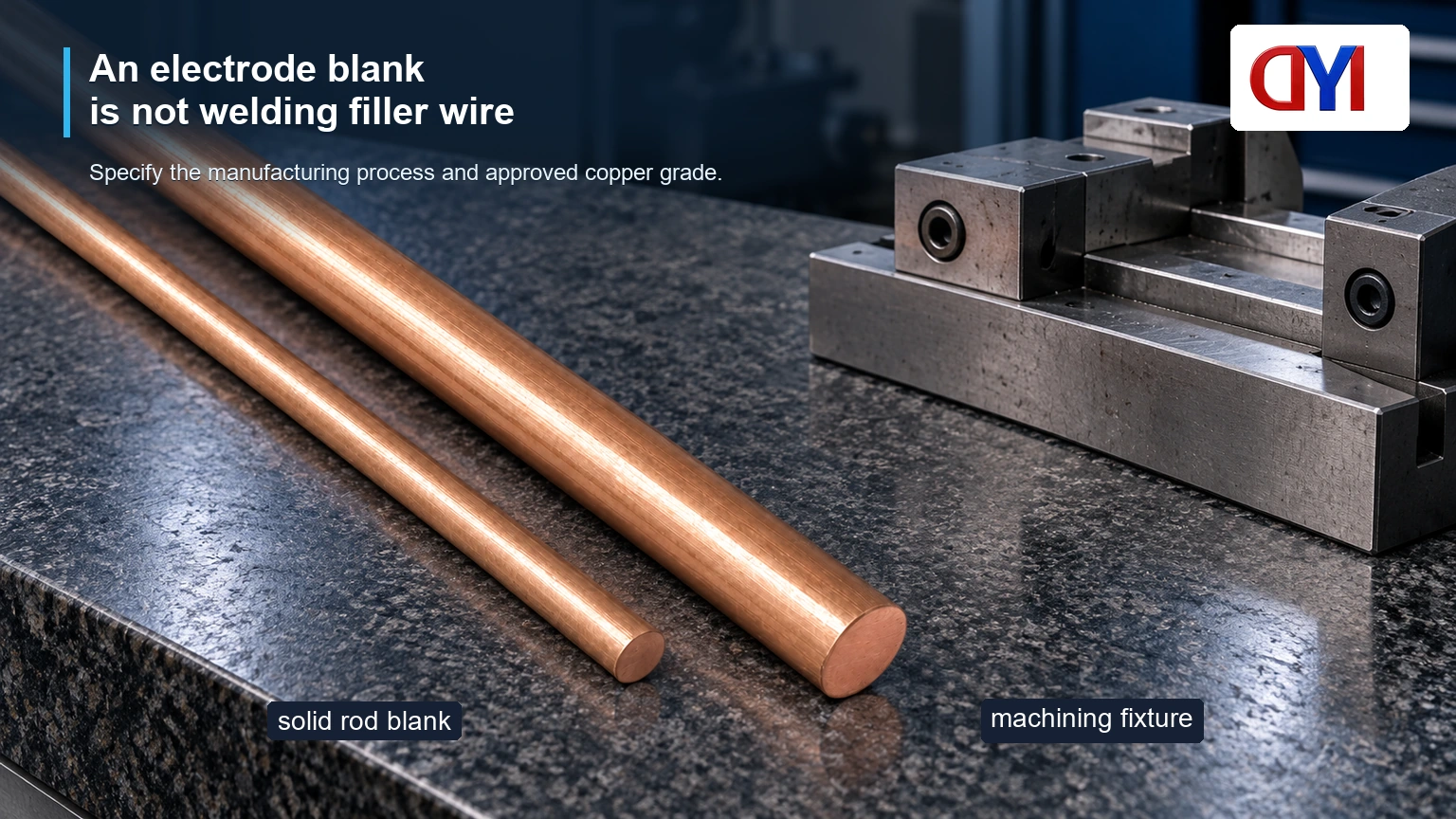
An electrode machined for electrical-discharge machining is different from welding filler rod, a resistance-welding electrode or an electrochemical component. Each process imposes its own requirements. The phrase “Copper rod, round rod” describes shape; it does not define the electrode application.
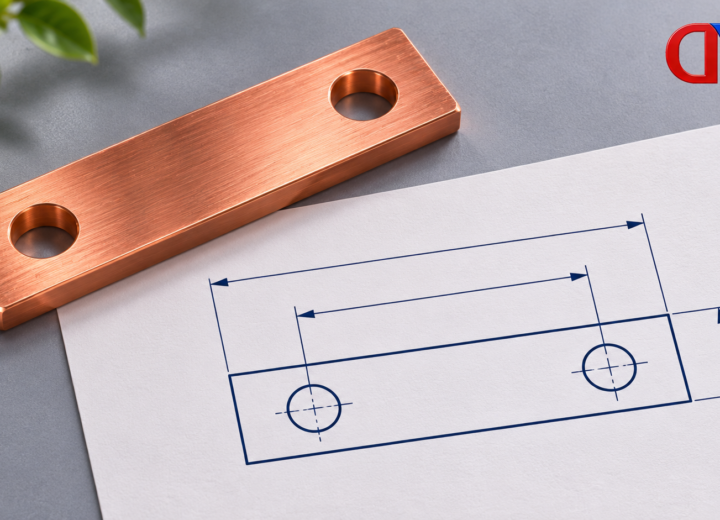
For an RFQ, state whether the rod is a blank to be machined and identify the finished drawing. If the process requires a copper alloy rather than commercially pure copper, specify that alloy directly. Do not replace a qualified electrode material with generic copper because it is easy to source.
| Material request | Intended meaning | Information still needed |
|---|---|---|
| Copper machining-electrode blank | Stock for machining an electrode | Process, grade, condition and drawing |
| Copper welding filler rod | Consumable added to a joint | Welding procedure and filler classification |
| Resistance-welding electrode material | Material for a contact electrode | Qualified alloy and service requirements |
| General copper round rod | Raw material form | Application-specific acceptance requirements |
Choose grade and condition around the process
C11000 and C10100 are distinct copper grades listed in ASTM B187/B187M. Their suitability depends on the manufacturing route, service environment and approved process. A “Copper rod made of pure copper” description is not a substitute for the full designation.
Copper can be CNC machined, but material condition and cutting strategy influence burrs, chip formation and finish. Do not promise that a grade is “easy to machine” without defining the operation. A trial on the actual supplied stock is more useful than transferring cutting speeds from a different alloy or temper.
ASTM B193 provides a method for conductor resistivity measurement, including reference-temperature considerations. Specify a required property only when it follows from the electrode design. A conductivity result cannot establish machinability, surface finish or wear behavior in a particular process.
Calculate the usable blank, including end allowance
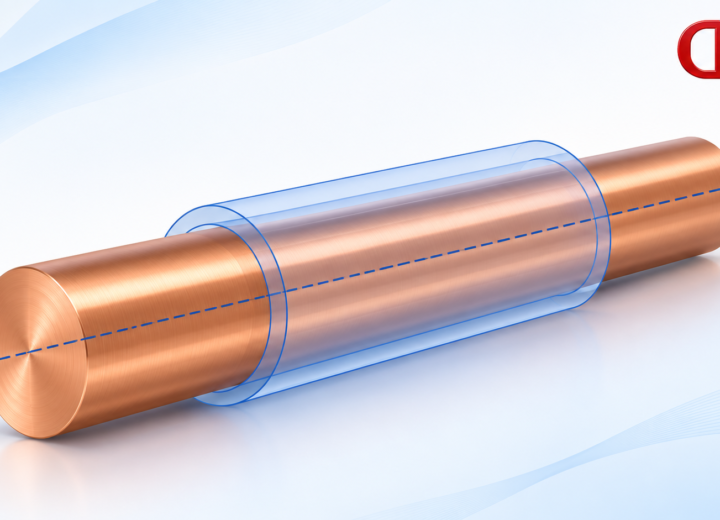
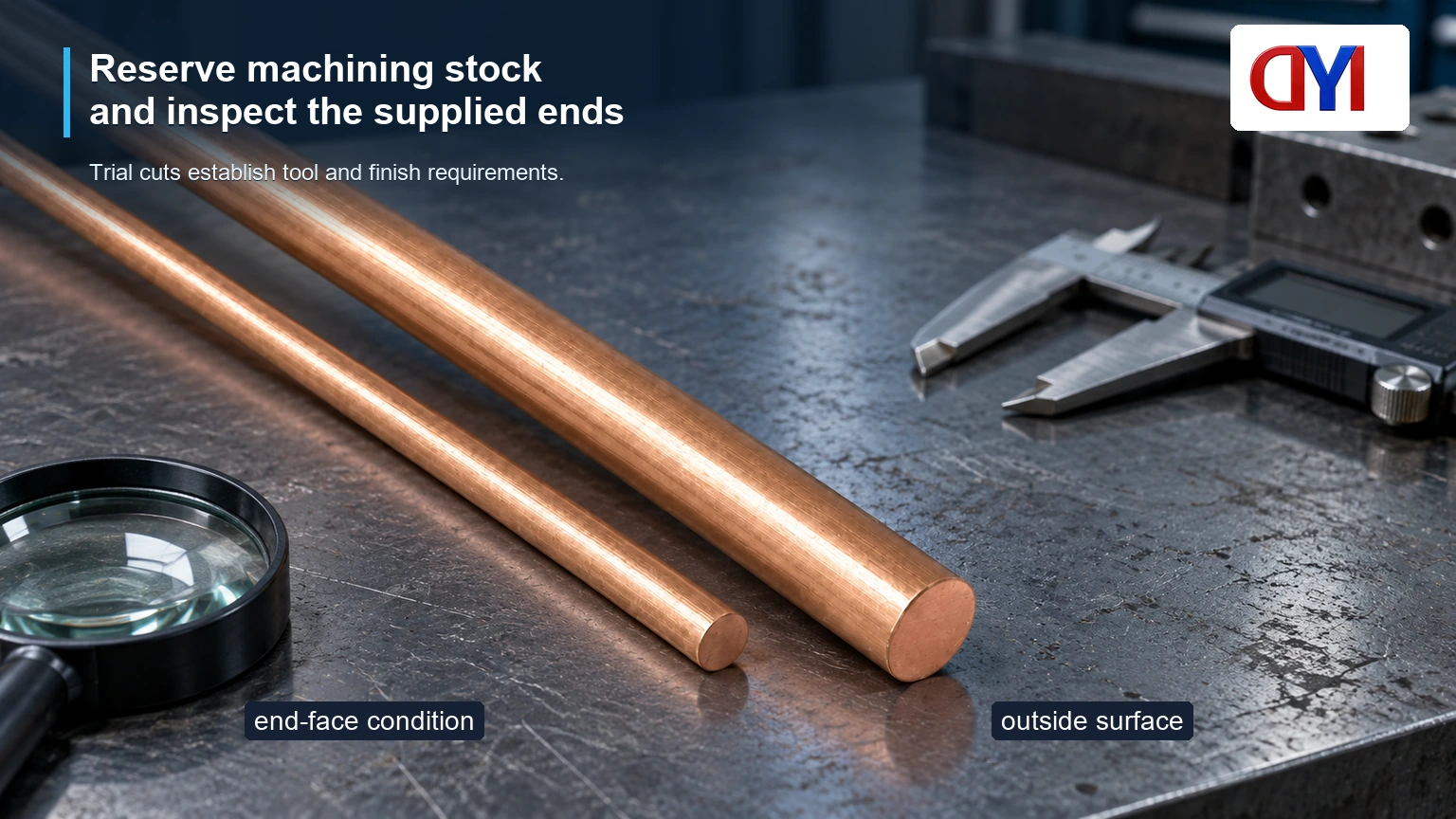
Define the finished diameter and length separately from the purchase dimensions. Include radial cleanup, facing, clamping and any sacrificial length needed by the process. Confirm the stock tolerance so the smallest permitted blank still contains the finished geometry.
For a hypothetical 16 mm finished diameter and a 0.5 mm radial cleanup allowance, the minimum usable diameter is 17 mm before stock tolerance. A 0.5 mm radial allowance removes 1 mm from the diameter. This distinction can prevent a systematic shortage of material across an otherwise conforming delivery.
| Blank characteristic | Define on the order | Toolroom consequence |
|---|---|---|
| Diameter | Size, tolerance and minimum cleanup envelope | Controls achievable finished diameter |
| Length | Finished, facing and clamping allowances | Prevents loss of usable length |
| Straightness | Gauge length and method | Affects setup and consistent engagement |
| Surface and ends | Permitted damage, burrs and end condition | Reduces unexpected cleanup |
| Material condition | Grade, temper and lot identity | Supports a repeatable cutting trial |
Manage burrs and inspection as process controls
Tool geometry, sharpness, fixturing, coolant choice and cutting conditions all need to suit the actual operation. Record trial conditions and inspect the relevant edges. A burr may interfere with a contact face, dimensional measurement or subsequent assembly even when the main diameter is acceptable.
Use deburring methods that preserve the finished geometry. Avoid rounding a controlled edge simply to make the part look clean. If surface finish matters to the electrode’s function, specify the measurement parameter and locations instead of relying on a photograph.
An illustrative cost comparison shows why this matters: saving 0.50 per blank on 200 pieces gives 100 in material savings. Ten additional minutes of handling per piece can erase that saving at many shop rates. Use the actual shop rate, yield and cycle time rather than assuming the lowest raw-stock price is the lowest electrode cost.
Standards, qualification and supplier questions
ASTM B187/B187M addresses the supplied copper product, and ASTM B193 addresses a material test. Neither certifies an electrode design or a machining process. If the electrode belongs to a regulated or customer-qualified manufacturing process, that process’s material and change-control requirements also apply.
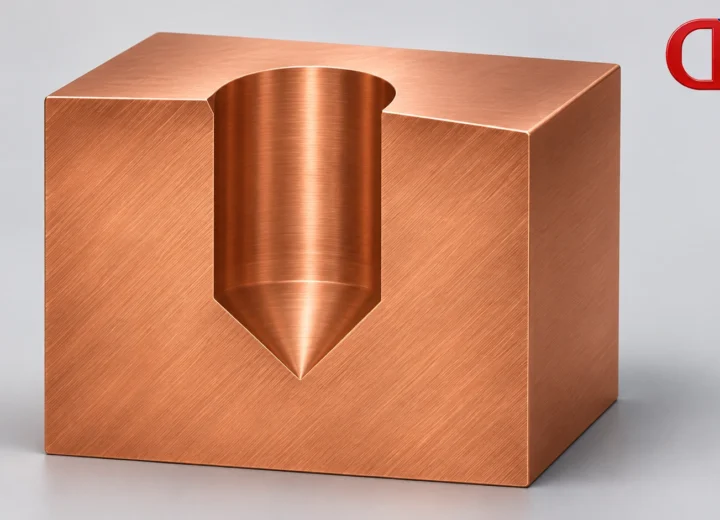
Before purchase, identify the electrode process, approve the grade and condition, define the usable blank and agree on lot records. DONGYAO’s round copper rod stock can be evaluated against that specification. For non-cylindrical blanks, compare the copper block supply form against the actual drawing rather than assuming round stock always minimizes waste.
Frequently asked questions
Can you CNC machine copper?
Yes. The process should account for grade, temper, fixturing, chip control and burr formation. Validate the cutting conditions and inspection method on representative stock.
Is C110 copper easy to machine?
It is machinable, but its behavior depends on the operation and material condition. Do not treat it as equivalent to a free-machining copper alloy. Use a trial to establish finish and cycle-time expectations.
How is a copper machining electrode different from a copper welding rod?
A machining-electrode blank is shaped into a tool or component for its specified process. Welding filler is consumed to form a joint under a qualified procedure. Their material requirements and acceptance criteria are different.
Which copper grades are commonly supplied for electrode machining?
C11000 and oxygen-free grades such as C10100 may be considered for relevant applications. The process owner should approve the actual grade. Some electrode applications require other copper alloys and should not be generalized to pure copper.
How do diameter and machining allowance affect copper electrode rod selection?
The minimum supplied diameter must contain the finished shape plus radial cleanup. Length must also cover facing and clamping needs. Include stock tolerances when calculating the usable envelope.
What surface and dimensional checks are useful before machining a copper electrode?
Check diameter, straightness, length, surface damage and end condition against the agreed specification. Confirm material and lot identity. Reserve functional surface-finish acceptance for the appropriate machining stage.
References
- ASTM B187/B187M: copper stock requirements
- ASTM B193-25: conductor resistivity testing
- ASTM B152/B152M: recognized copper material types
Specify the electrode process before specifying its rod. Contact DONGYAO with the approved grade and blank drawing to confirm supply and inspection requirements.
For related conductor products, view the product categories.