
When a procurement engineer in Suzhou named Mei replaced a discolored fastener in a copper busbar assembly, the cabinet showed a sudden voltage drop during commissioning. The screw was not simply defective: the selected brass grade, thread preload, and mating surfaces were wrong for the current and environment.
Pure copper is valued for conductivity and corrosion behavior, whereas brass is engineered for a balance of conductivity, mechanical handling, and manufacturability. Properties data from established materials organizations provide useful baseline context; a fastener drawing must still identify the selected grade and finish.
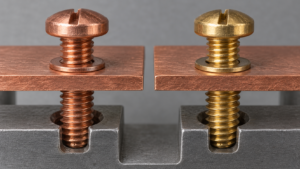
Why do brass screws contain more copper than zinc in many grades?
Brass is not one chemistry. Alpha brasses commonly use a copper-rich matrix, while higher-zinc grades can change phase balance, hardness, forming behavior, and corrosion response. Leaded free-machining grades may add another element for cutting performance, so a buyer should request the exact alloy designation and mill or inspection evidence rather than infer composition from a yellow surface. The phrase brass screws therefore needs a grade and finish behind it.
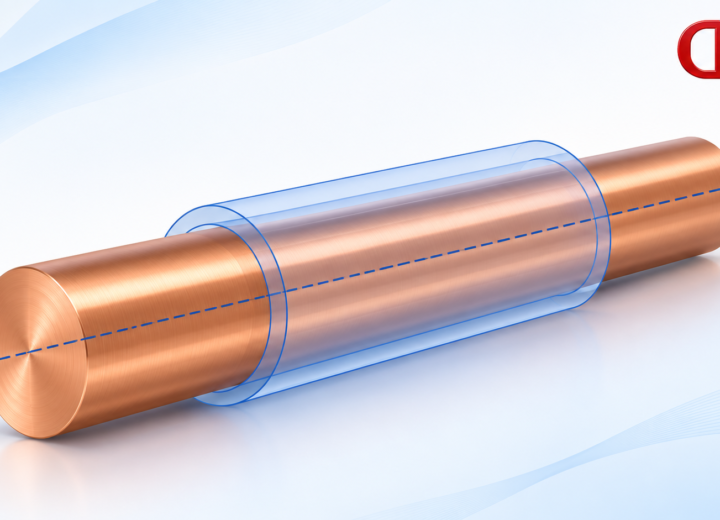
For an electrical joint, conductivity is only one part of performance. Copper’s lower resistivity can reduce voltage drop and heat at a sound contact, while brass can provide better thread durability and resistance to galling than very soft copper. Contact pressure, surface condition, joint area, and tightening method can outweigh a nominal material comparison.
How do copper screws and brass screws trade electrical and mechanical performance?
Copper screws can be useful where the fastener is intentionally part of a conductive path, but soft copper threads require controlled torque, adequate engagement, and protection from deformation. Brass screws generally offer a more serviceable thread and useful corrosion resistance, yet their conductivity is lower than pure copper and varies with grade and temper.
| Option | Electrical behavior | Mechanical behavior | Typical decision point | Total-cost tendency |
|---|---|---|---|---|
| High-conductivity copper | Best conductivity of these options when the joint is clean and sized correctly | Soft; threads and bearing surfaces need care | Current path, bonding, or low-resistance contact | Material and damage-control costs can rise |
| Copper alloy or treated copper | Conductivity depends on alloy and finish | Improved strength compared with pure copper | Conductive duty needing more thread resilience | Grade and finish documentation matter |
| Brass | Lower than pure copper; grade and joint design control result | Good machinability and thread handling; strength is grade-specific | General electrical hardware and mixed mechanical duty | Often balanced; verify compatibility and plating |
| Plated steel | Base metal is not a high-conductivity path; coating continuity matters | High thread strength, but coating damage and corrosion require control | Mechanical retention away from the intended current path | May reduce unit cost while increasing inspection needs |
Do not assume a copper bolts label means a pure-copper product. Ask whether it describes solid copper, a copper alloy, copper plating, or a trade name; then match the answer to the electrical and mechanical design.
How should thread size, preload, and environment shape the screw choice?
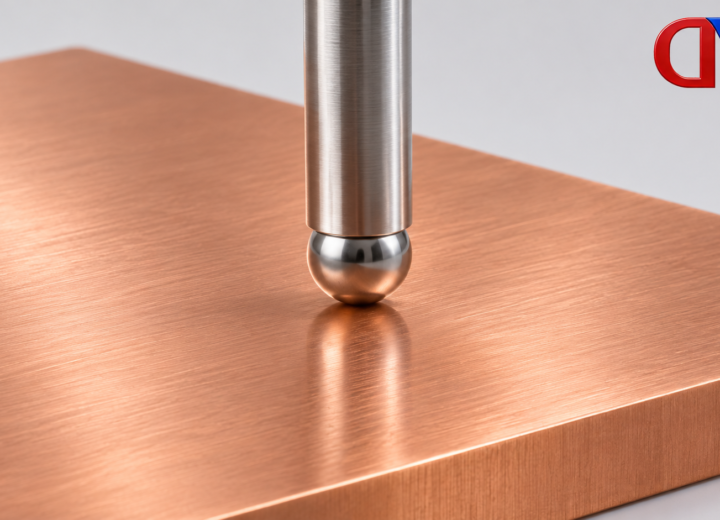
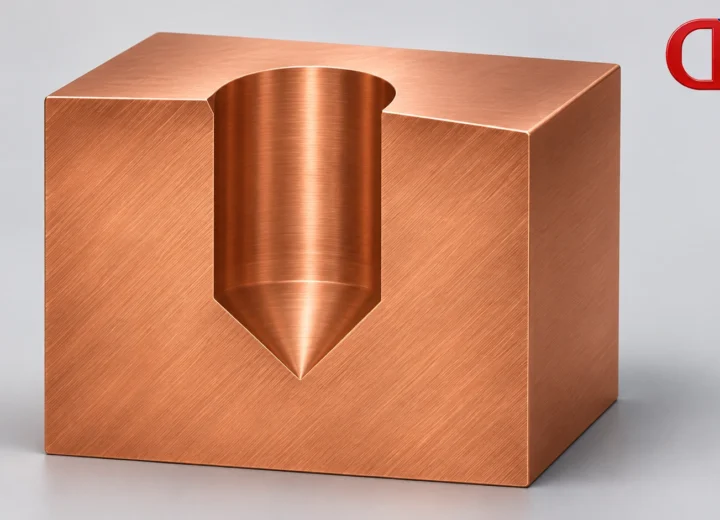
Diameter and engagement set the available clamp force; length must provide full thread engagement without bottoming or entering an unsafe clearance zone. Torque should come from the fastener and assembly specification, not a generic table, because lubrication, plating, washer geometry, and thread class change the achieved preload.
Galvanic compatibility also depends on the electrolyte and exposed area. A brass or copper screw against copper can be a sensible pairing in a dry, controlled cabinet, but moisture, salt, dissimilar washers, and damaged plating can create a corrosion cell. Specify contact finish, sealing, drainage, and inspection intervals where the assembly sees condensation or outdoor exposure.

Which dimensions and cost drivers should a copper screw drawing control?
Record the head style, drive, diameter, pitch, length, thread engagement, washer stack, surface finish, and allowable torque. Include the conductor or plate thickness and access envelope so a substitution cannot create a hidden interference or a short conductive path.
| Driver | What to specify | Why it affects cost or risk |
|---|---|---|
| Material and grade | Alloy designation, temper, plating or finish, certificate need | Controls conductivity, strength, corrosion behavior, and sourcing options |
| Diameter, pitch, length | Thread system, engagement, tolerance, under-head length | Affects clamp force, tooling, interchangeability, and rework |
| Head and drive | Head geometry, drive type, tool access, washer interface | Changes installation time and risk of cam-out or obstruction |
| Contact stack | Plate thickness, surface finish, washer and joint sequence | Influences resistance, preload retention, and galvanic exposure |
| Verification | Torque method, continuity test, visual criteria, lot traceability | Prevents field failures that cost more than the fastener |
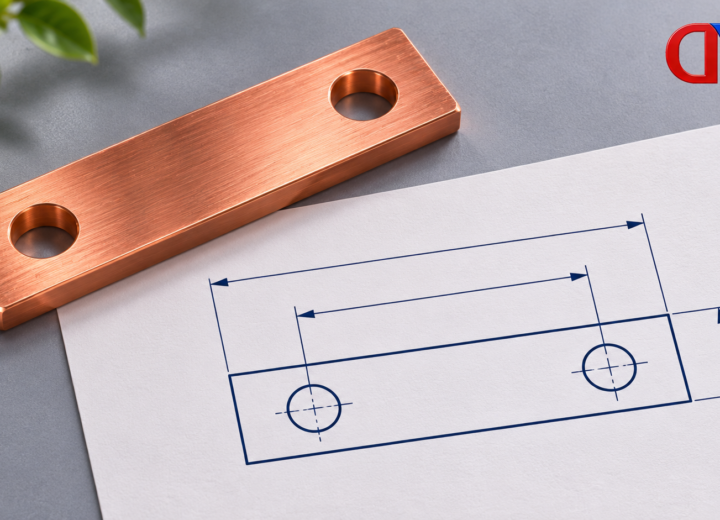
For a complete conductive interface, align the screw drawing with the copper busbar product scope and hole pattern. A prototype check of resistance, torque, clearance, and corrosion exposure is more useful than selecting by color or unit price.
How can buyers select copper screws or brass screws with less risk?
- Define whether the fastener carries current, supplies clamp force, or does both; set the resistance and temperature limits in the assembly design.
- Freeze alloy or plating, thread system, dimensions, washer stack, torque method, and environment before requesting quotations.
- Approve a first article using dimensional, torque, continuity, and visual checks; add humidity or salt exposure testing when the installation warrants it.
- Ask for current material and inspection documents, and control substitutions by written engineering approval.
DONGYAO supports sourcing discussions for copper busbars, copper plates, brass plates, and electrical connection components. A drawing with the conductor, hole pattern, finish, tolerance, and test evidence lets the team compare a fastener as part of the whole connection; the copper busbar terminal guide is a useful adjacent reference.
Frequently Asked Questions
Can I use brass screws on copper?
Often, yes, when the joint is designed for the selected brass grade, contact pressure, current, and environment. Check surface finish, washer choice, torque, and galvanic exposure; qualify the assembly if moisture, vibration, or heating is significant.
What type of screws should be used with copper?
Use a specified copper, copper-alloy, brass, or plated fastener that matches the electrical path and mechanical duty. The right choice depends on conductivity, thread strength, corrosion environment, dimensions, and the assembly standard, not on the word “copper” alone.
Do copper screws exist?
Yes. Solid copper and copper-alloy screws are available for selected electrical and corrosion-sensitive uses, although they are softer and more grade-dependent than many steel alternatives. Confirm the alloy, temper, torque limit, and supply consistency before release.
What are the different types of brass screws?
Types are commonly grouped by head and drive (for example, pan, countersunk, hex, slotted, or Phillips), thread form, and brass grade or finish. Select the geometry and alloy together because a mechanically convenient head does not guarantee the required electrical or corrosion performance.
References
- Copper Development Association: Properties of Copper.
- Royal Society of Chemistry: Copper.
- Royal Society of Chemistry: Zinc.
For a drawing review or sourcing discussion, browse the DONGYAO electrical connection component range and contact DONGYAO about copper screws with the current, dimensions, environment, and destination-market requirements.
For related conductor products, view the product categories.