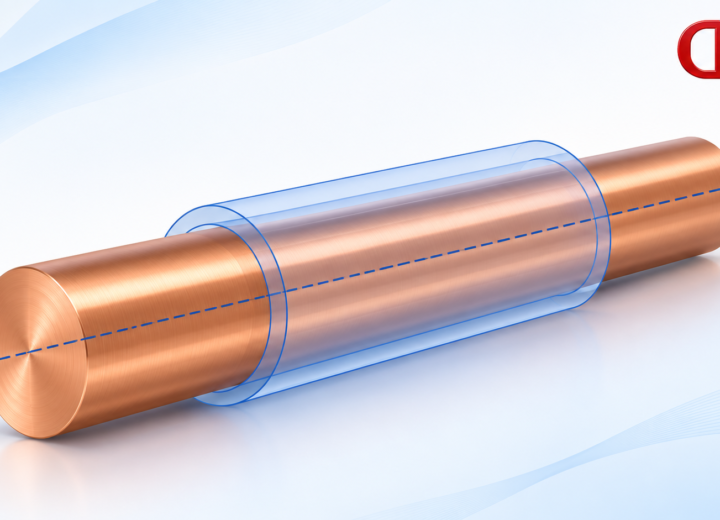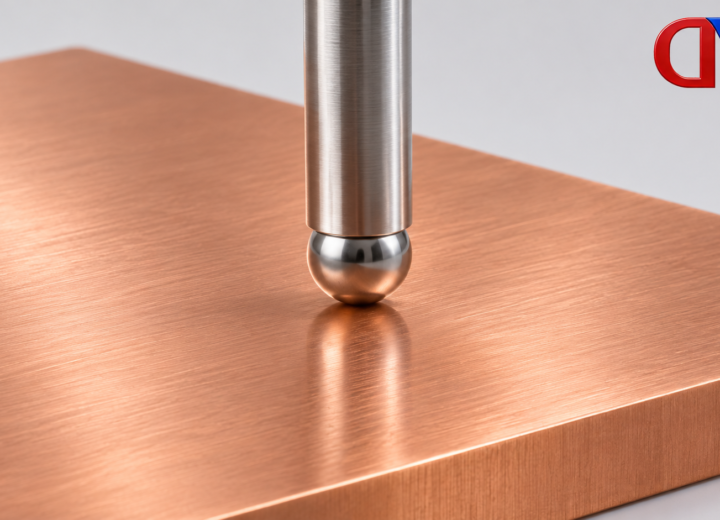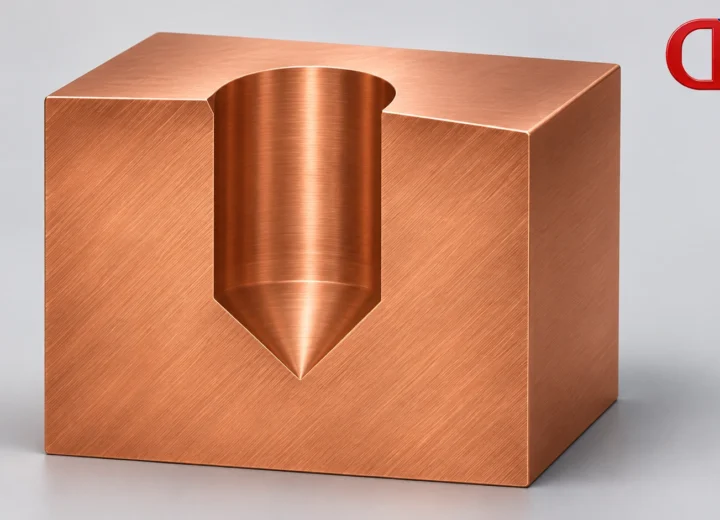
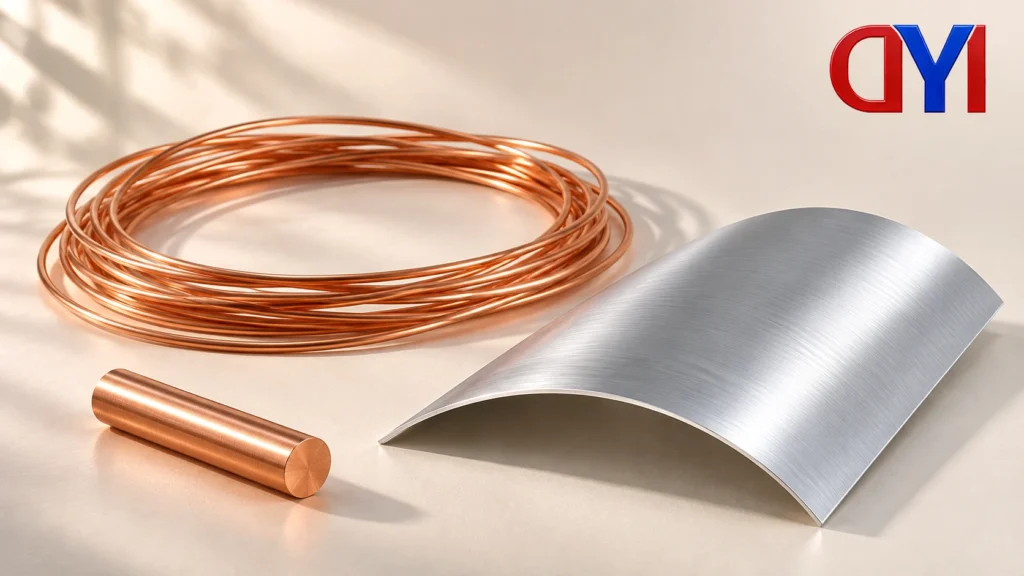
Ductility vs malleability describes two related deformation questions. Ductility concerns a material’s ability to undergo permanent extension without fracturing, as in drawing wire. Malleability concerns permanent reshaping under compression without cracking, as in pressing or rolling. Both describe plastic deformation, but they emphasize different ways of changing shape.
Ductility vs malleability: extension and compression
A ductile response allows extension before fracture. A malleable response allows compression-driven reshaping. The DOE material-science handbook distinguishes tensile plastic deformation from compression-driven reshaping. Wire drawing and rolling provide familiar ways to understand the contrast.
These terms differ from elasticity. An elastic change recovers when the load is removed; a plastic change remains. A part that briefly flexes and returns to its original shape has not, for that reason alone, demonstrated the permanent forming behavior described by either term.
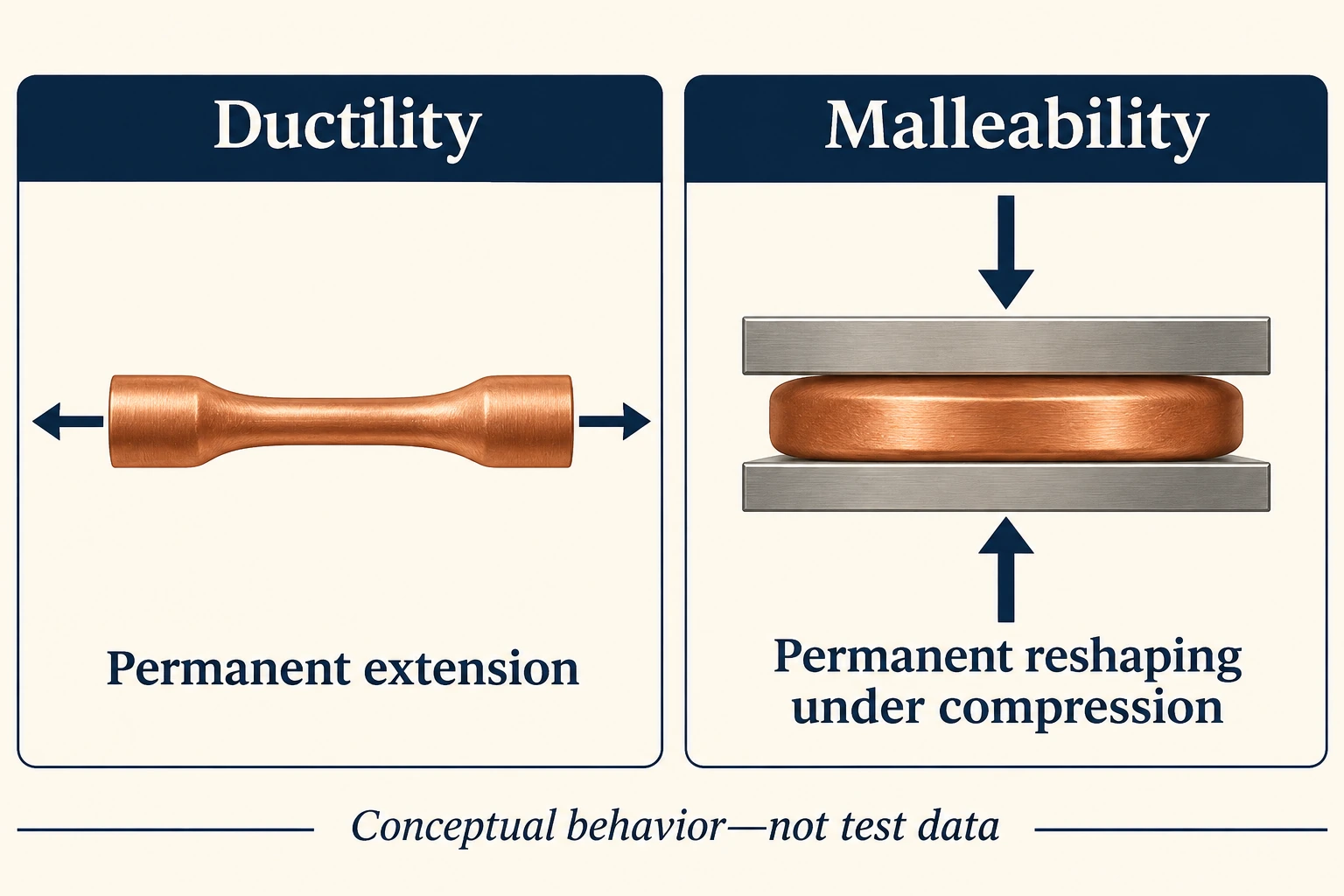
The distinction is useful when discussing a manufacturing task. “The metal changes shape” is incomplete: the review should identify how it is loaded and what permanent change is required. A property label can begin that conversation, but it does not complete the part specification.
Compare what each deformation term describes
| Term | Key observation | Question it helps answer |
|---|---|---|
| Elasticity | Shape recovers after unloading. | Was the observed change recoverable? |
| Plastic deformation | A shape change remains after unloading. | Did permanent deformation occur? |
| Ductility | Permanent extension can occur without fracture. | How does the material accommodate tensile shape change? |
| Malleability | Compression-driven reshaping can occur without cracking. | How does the material accommodate compressive shape change? |
Plastic deformation is the common context for the last two terms. Their different loading descriptions are useful without treating one as a numerical prediction of the other. Choose the term that matches the behavior under discussion.
What copper wire and aluminum foil demonstrate
Is copper ductile? The Royal Society of Chemistry describes copper as readily drawn into wires, providing a familiar practical example. That element-level description provides an example of the term.
Aluminum provides a familiar malleability example. The RSC describes the element as soft and malleable and lists foil among its uses. A thin foil product illustrates a form the material can take.
For commercial aluminum, the alloy and its condition need attention. The Aluminum Extruders Council treats alloy selection and temper separately and explains that mechanical or thermal treatment affects extrusion performance. An alloy name without its required condition therefore leaves part of the material discussion unfinished.
The element examples and extrusion guidance explain different contexts. Forming limits for an actual copper or aluminum component require evidence for its specific grade, condition and operation.
Classify the observation before comparing materials
Consider three hypothetical observations. In the first, a piece flexes and returns to its earlier shape when unloaded. That describes recovery and directs the discussion toward elastic behavior. It does not show the permanent extension illustrated by wire drawing.
In the second, a specimen remains longer after tensile deformation without breaking during that change. This illustrates the kind of permanent extension described by ductility. To compare actual materials quantitatively, the reader would need the relevant test definition and conditions. The stress-strain graph guide explains the separate landmarks used when reading a tensile report.
In the third, compression reshapes a piece without cracking during the stated change. That illustrates the malleability concept. It does not turn a successful shape change into a universal forming allowance for another grade, condition or operation. Describe the starting material, loading and resulting shape when asking whether the observation applies to a proposed part.
A hardness result addresses another property. Keep its method and scale attached, as explained in the hardness-scale comparison, rather than using the word “hard” as a substitute for the deformation description. These distinctions help a drawing discussion ask for the right evidence instead of collecting unrelated property labels.
Turn a property description into a component question
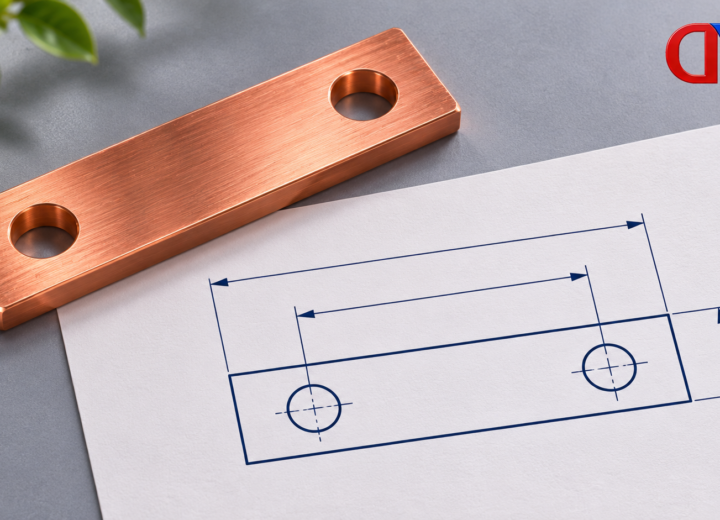
Consider a drawing review in which a buyer asks for a “malleable copper part.” Start by marking the region expected to change and showing the intended final geometry. Then ask whether the concern is permanent extension, compression-driven reshaping or recovery after temporary deflection. The answer identifies which behavior the discussion needs to address, before a general property term is turned into a material request.
For the copper example, separate the supplied condition from the condition needed for the proposed operation. Identify the grade and starting form, then ask what operation-specific evidence would support the required shape change. If the component is intended to keep its new shape, returning to the original geometry is not the desired outcome. Agree how the final geometry and relevant condition will be evaluated, so the material discussion has an identifiable result to address.
The aluminum example raises a different documentation question. Suppose two responses name the same alloy, but only one states the temper. The AEC guidance explains why that missing condition matters in an extrusion discussion. Clarify the proposed condition and the intended operation before comparing the responses. If the actual task concerns sheet rather than an extrusion, obtain evidence applicable to that task instead of transferring an extrusion description. The useful next decision is which material and process records are needed to evaluate the proposed shape change.
For a pure copper rod inquiry, confirm the offered material condition and the forming requirements explicitly. The product category does not establish a standard elongation, bend allowance or annealing service. The decision belongs with the actual material, drawing and agreed evidence for the proposed operation.
References
- U.S. Department of Energy — Material Science, Volume 1, deformation definitions, Module 2.
- Royal Society of Chemistry — Copper, wire-drawing example.
- Royal Society of Chemistry — Aluminium, malleability and foil.
- Aluminum Extruders Council — Alloys and Tempers, condition context.
For related conductor products, view the product categories.