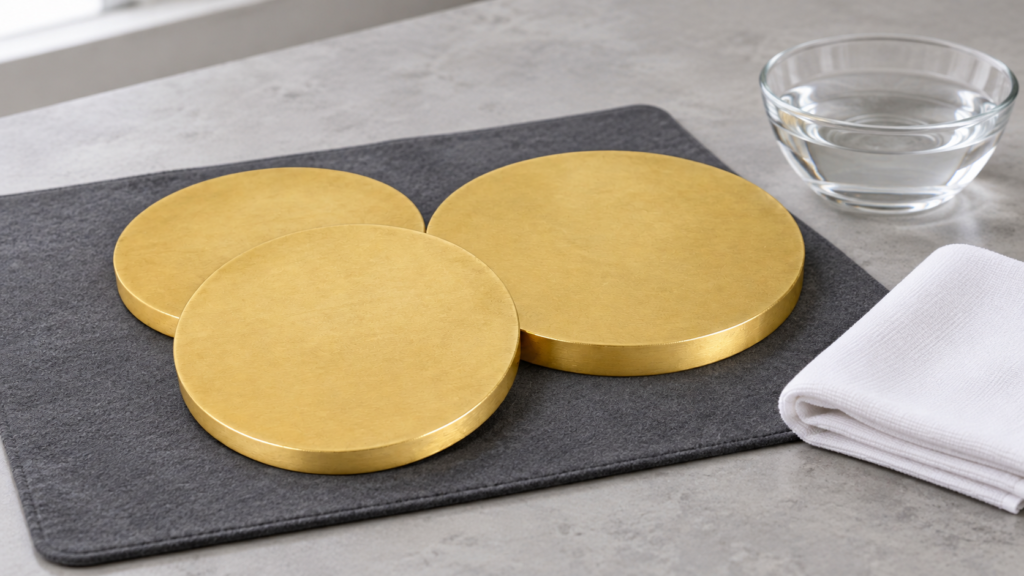
Summary: Identify the material and finish before cleaning. For confirmed uncoated solid brass, start with a tested, mild pH-neutral detergent process, remove residues and dry completely; polishing is optional. Grade is a separate issue: CDA lists a maximum lead content of 0.07% for C26000, but that composition does not establish cleaner compatibility. For plated, lacquered or electrical components, obtain the relevant manufacturer’s instructions first.
Brass plate cleaning begins with identifying the finish
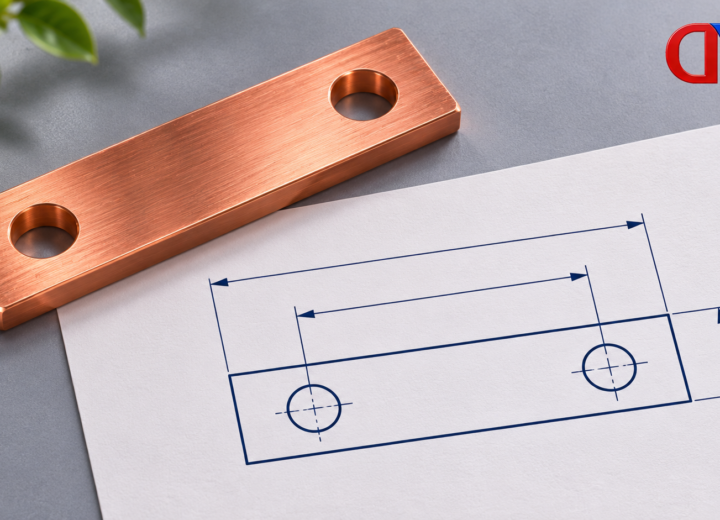
Brass is a copper-zinc alloy available in different compositions and finishes. The linked Brass plate product illustrates why holes and contact areas need attention. CDA specifies C26000 as 68.5-71.5% copper, with zinc as the remainder. These are reference-grade facts, not a declaration that the linked product uses that alloy.
Separate uncoated solid brass, brass plating, clear lacquer and intentional patina. Color alone cannot establish alloy or finish. Request the drawing, material certificate and finish specification; ASTM B36/B36M, listed for C26000 flat stock, does not authorize polishing a coating.
Inspect the dry surface before treatment. Dust and handling marks differ from tarnish; a lifting film, pits or pinkish areas require assessment. Pink coloration can be consistent with zinc loss but is not a diagnosis. Cleaning cannot reverse dezincification. Stop if the surface flakes or changes unexpectedly.
Test the cleaner and cloth on a permitted inconspicuous area, then inspect after drying. Plating, lacquer and preserved patina need an explicitly compatible procedure. Do not strip a damaged coating without approval; restoration changes the finish specification.
Brass sheet needs a residue-free washing and drying process
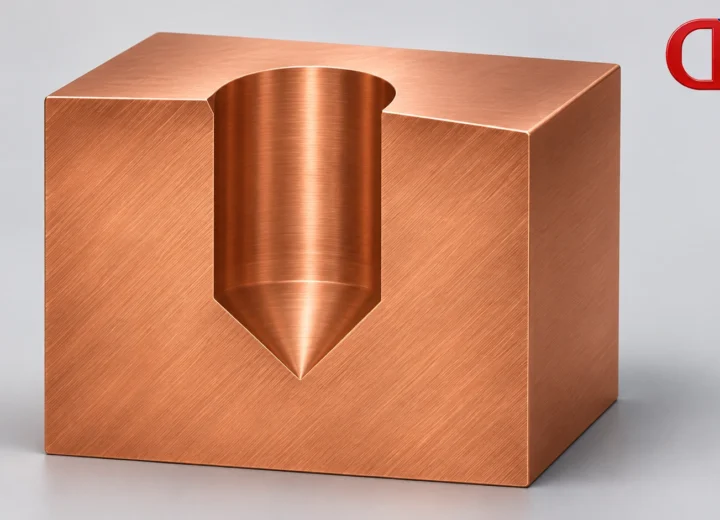
This general maintenance guidance is for confirmed uncoated solid brass, not a validated production specification. Gently remove loose grit. Apply warm water and compatible mild pH-neutral detergent with a damp lint-free cloth; avoid flooding seams, blind holes or assemblies. Follow the cleaner label and component maker’s restrictions.
Wipe away detergent with a separate cloth dampened with clean water, or rinse only when the component permits it. Dry the face, edges and holes fully with fresh lint-free material. Avoid stacking damp parts, because trapped moisture and remaining cleaner can mark adjacent surfaces. A brass sheet with a cosmetic finish needs inspection under consistent lighting, not just a quick glance while wet.
No universal soaking time or dilution ratio covers all finishes and cleaners. For repeat work, record the cleaner, its prescribed dilution, water condition and acceptance criteria. Composition data does not qualify a wash cycle.
Brass plate polishing is optional and must preserve its function
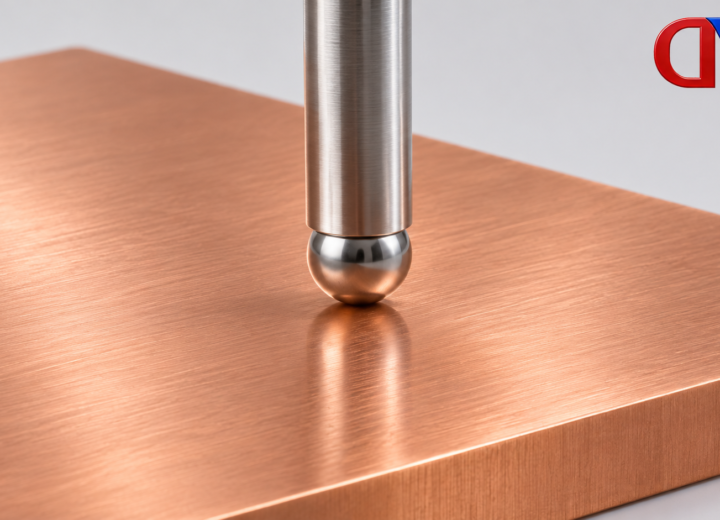
Polishing removes or alters surface material; washing removes soil. Brightness does not establish function. Use polish only when the finish and application permit it, following its manufacturer’s compatibility, removal and safety instructions. Avoid prolonged acid exposure and aggressive abrasives; do not improvise with ammonia, chloride cleaners or steel wool.
For electrical parts, isolate equipment and follow the equipment manufacturer’s maintenance procedure before touching the component. Do not introduce liquids into an installed assembly, or leave polish or protective films on contact faces without approval. Visual brightness cannot establish contact resistance, dimensional conformity or electrical safety; those need the checks specified for the actual equipment.
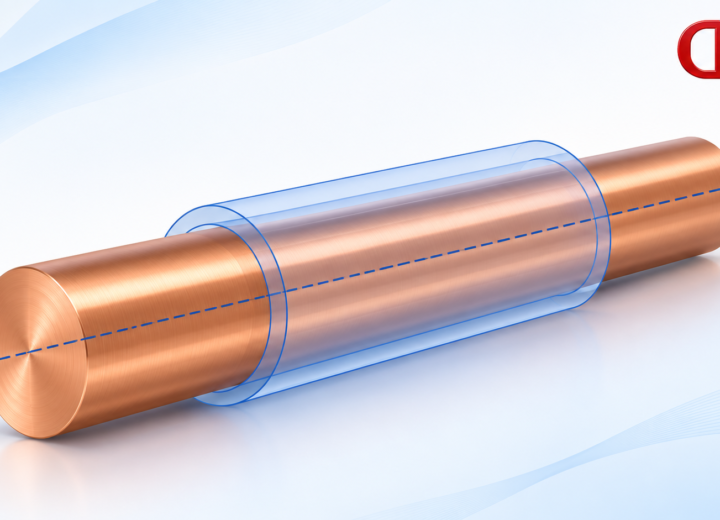
Do not automatically transfer a flat-stock cleaning recipe to machined brass rod. C36000’s 2.5-3% lead differs from C26000’s 0.07% maximum, but neither figure establishes chemical compatibility. Document finish requirements through the component service process before routine polishing.
Brass plate cleaning choices have different risks and costs
| Method | Appropriate objective | Main limitation | Cost driver |
|---|---|---|---|
| Gentle dry wiping | Remove loose dust or light handling contamination | Entrained grit can scratch; it does not remove established tarnish | Fresh cloths and inspection |
| Compatible detergent cleaning | Remove soil from approved surfaces | Residue and trapped water need control | Wiping, drying and access to holes |
| Compatible metal polish | Improve an approved uncoated surface’s appearance | Can alter texture or leave residues | Labor, residue removal and possible rework |
| Specialist assessment | Resolve unknown coatings, corrosion or valuable patina | May require removal from service or refinishing approval | Assessment and downtime |
Compare total cleaning cost, including segregation, drying, inspection, rejection and downtime. Chemical price alone does not establish savings.

Brass plate standards define material scope, not cleaning approval
The CDA C26000 entry lists ASTM B36/B36M for brass plate, sheet, strip and rolled bar, and ASTM B19 for cartridge brass sheet, strip, plate, bar and disks. The C36000 entry lists ASTM B16/B16M for free-cutting brass rod, bar and shapes. These product specifications do not constitute a cleaning certification or establish a component’s electrical suitability.
Specify the standard edition, alloy, temper, dimensions and finish. An alloy webpage is not a lot-specific certificate. Destination-market and application requirements remain separate; unsupported compliance claims can cause rejection despite a clean appearance.
Brass plate procurement should include a maintenance specification
- Confirm solid or plated construction, alloy, temper and surface finish in writing.
- Define the cleaning objective: soil removal, appearance restoration or an equipment-specific functional requirement.
- Approve a small-area trial and dry inspection before treating the full batch.
- Record permissible cleaners, prohibited treatments and packing conditions after drying.
DONGYAO buyers should confirm component grade and finish. Send the drawing, service environment and acceptance criteria through the contact page; request documentation and cleaning restrictions before ordering.
Frequently Asked Questions
What are the different types of brass?
Brasses include copper-zinc alloys with different compositions and additions, including cartridge brass and free-cutting brass. Solid, plated and lacquered describe construction or finish, not interchangeable alloy grades. Verify both the alloy designation and finish before cleaning.
What is a brass rod used for?
A brass rod can be machined into fittings, fasteners and other components where its grade suits the design. C36000 is a free-cutting grade with 2.5-3% lead in the CDA entry. Suitability for regulated or electrical uses needs a separate application review.
What is a brass sheet used for?
A brass sheet can serve formed parts, decorative panels and specified electrical components. Alloy, temper, thickness and finish determine whether it suits the application. Cleaning must preserve those specified surface requirements.
What are the different grades of brass?
Grades include C26000 and C36000, among many others. CDA lists C26000 at 68.5-71.5% copper and C36000 at 60-63% copper; their lead limits also differ. Do not select a grade by color or assume a supplier’s product uses either designation without documentation.
References
- Copper Development Association: copper and alloy properties resources.
- CDA C26000: composition and applicable product specifications.
- CDA C36000: composition and applicable product specifications.
These references support material facts and specification scope, not the general cleaning procedure above. Clean for the required condition, not brightness alone. Review DONGYAO’s component products with the maintenance requirements established above, and request confirmation before applying a new treatment.
For related conductor products, view the product categories.