When a procurement engineer in Shenzhen encountered a stack of sheet blanks that curled and left a bright, ragged edge after a routine saw trial, the team stopped the run and checked the material request. The visible failure appeared to be a poor blade choice, but the reversal was more useful: the alloy, temper, thickness, clamping plan, and cutting data had never been specified together. The lesson applies to any plant preparing stock for an enclosure, busbar support, vehicle part, or energy-storage assembly.
Aluminum sheet selection starts with alloy, temper, and thickness
Aluminum sheet is a family of wrought products, not a single cutting behavior. A 1xxx family may be selected for high conductivity or corrosion resistance, while 3xxx, 5xxx, and 6xxx families are commonly considered when forming, strength, or general fabrication requirements differ. The temper—such as an annealed, strain-hardened, or heat-treated condition—changes how an edge deforms and how much burr control is needed. Confirm the designation on the mill certificate or supplier’s test documentation rather than inferring it from color or surface appearance.
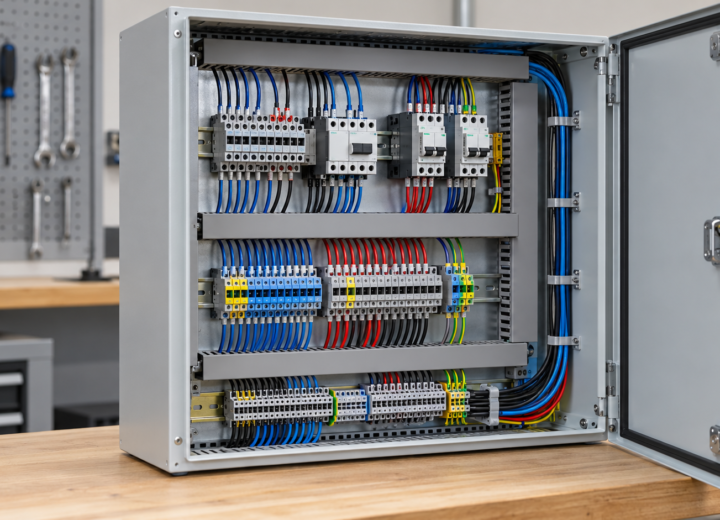
Start the request with nominal thickness, permitted thickness tolerance, required flatness, surface condition, grain direction if forming follows, and the finished profile. A useful purchasing brief says whether the part will be bent, drilled, electrically bonded, painted, or exposed to a marine or industrial atmosphere. For this material used near copper conductors or a DC contactor assembly, include the joining method and isolation requirements; dissimilar-metal contact can create a corrosion risk even when the cut edge looks clean. The same brief applies to an aluminum plate cut into structural supports.
Do not transfer a setting from thicker stock to a thinner job without a trial piece. The heavier product has more mass and may need a different feed, support arrangement, or tool geometry; a thin panel can vibrate, pull into a blade, or distort under clamping force. Keep material specification and cutting instruction as separate controlled documents.
Choose an aluminum plate cutting method around thickness and heat
Use the simplest controlled process that can hold the required profile. A guillotine or power shear is efficient for straight cuts when the machine is rated for the stock and the back gauge is set correctly. It generally leaves a work-hardened edge and a small rollover or burr, so specify the acceptable edge condition and deburring operation. A circular or band saw is useful for long cuts and nested profiles; use a blade and lubricant approved for non-ferrous metal, support the work on both sides, and keep hands outside the point of operation.
Routing is practical for contours, holes, and small batches when the work is firmly fixtured. A sharp carbide tool, chip evacuation, and a conservative step-down help prevent recutting chips and heat buildup. Do not improvise a router table guard or hold a loose panel by hand. For a blank, the machine’s spindle, collet, cutter, and chip-management limits matter as much as the nominal material thickness.
Laser cutting can provide repeatable profiles where the machine is configured for reflective non-ferrous material, but reflectivity, assist gas, focus, and heat-affected edges require a qualified setup. Plasma can be productive for heavier sections, yet its heat input, kerf, dross, and edge squareness may not suit a tight-fit electrical or cosmetic part. Neither process should be selected from a brochure alone: run a controlled sample, measure the edge, and confirm that the machine maker’s capacity and safety instructions cover the material.
For a shear, saw, router, laser, or plasma process, record the tool, workholding method, feed or energy setting, and inspection result in the job traveler. This is more useful than promising one “best” method for every application. In a safety-critical assembly, involve the responsible design and compliance team before production.
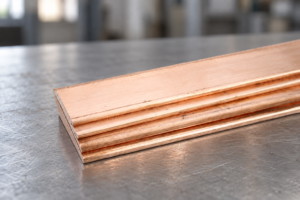
An aluminum coil changes how you control feed, burrs, and chips
Flat stock and coil-fed stock need different planning. An aluminum coil arrives with coil set, residual stress, and a feed direction that can affect flattening and cut quality. A straightener or leveler should match the alloy, temper, width, and thickness; do not force a curved strip flat with an improvised clamp. When the strip is uncoiled, verify support and pinch-point control.
Chips are both a quality and safety issue. Aluminum chips can be sharp, hot, and difficult to see on a light-colored bench. Use a brush, chip guard, or suitable collection method; never clear a running cutter by hand or direct compressed air toward people. Separate dry and coolant-contaminated chips under site waste rules, and keep ignition sources away from accumulations. The same discipline applies when coil material is cut into blanks.
Heat is managed by reducing rubbing, keeping the tool sharp, choosing an appropriate lubricant or mist system where permitted, and stopping when the edge or workpiece becomes hot enough to affect handling or finish. The operator should check for built-up edge, smearing, chatter, and color change. An aluminum coil intended for later forming may need a gentler edge and a controlled grain direction; an edge that is acceptable for a rough bracket may not be acceptable at a bend line. Record that condition against the lot.
Deburr with a guarded hand tool, countersink, abrasive system, or approved edge-finishing method matched to the design. Avoid removing so much material that the finished dimension or corner radius changes. A clean-looking edge is not proof of dimensional conformity: inspect the cut profile, burr height against the drawing, squareness, holes, and any heat-affected area. Keep the inspection record with the lot so a distributor or project team can trace the process back to the supplied aluminum coil or flat stock.
A verified Aluminum sheet process ends with inspection and sourcing
The finished Aluminum sheet should be checked against the drawing and purchase order before it moves to bending or assembly. Measure overall length and width at defined points with calibrated tools; check thickness with a suitable micrometer away from burrs; and use a square, profile template, or coordinate measurement method appropriate to the tolerance. Inspect both faces for scratches, dents, embedded chips, and handling marks. If a coating, adhesive, or electrical joint follows, define a separate surface-acceptance rule rather than treating visual appearance as a material certificate.
Use the following comparison as a process-selection starting point. It describes tendencies, not guaranteed performance; the material data sheet, machine rating, drawing, and trial cut control the final decision.
| Method | Best fit | Typical strengths | Watch-outs |
|---|---|---|---|
| Shear | Straight blanks | Fast cycle; low thermal input | Rollover, burr, and workholding limits |
| Saw | Long cuts or thicker stock | Accessible; flexible length | Chip control, blade choice, vibration |
| Router | Contours and small batches | Flexible profiles; easy iteration | Fixturing, recut chips, heat, guarding |
| Laser | Repeatable profiles | Low mechanical force; nesting potential | Reflectivity, assist gas, heat-affected edge |
| Plasma | Heavier sections | High cutting productivity | Kerf, dross, heat, squareness |
Procurement also has a second dimension: how material form affects the handoff between supplier and fabricator.
| Material form | Confirm before ordering | Process implication | Useful record |
|---|---|---|---|
| Flat sheet | Alloy, temper, thickness, flatness | Support and clamp without denting | Mill or supplier documentation |
| Plate | Cut size, saw or plasma capacity | Account for mass, kerf, and heat | Material identification and traveler |
| Coil | Width, payoff, coil set, leveler capacity | Control feed, pinch points, and straightening | Coil lot traceability |
| Pre-cut blank | Profile tolerance and edge condition | Reduce in-house cutting; verify incoming parts | Inspection report and drawing revision |
Standards make the handoff clearer, but they do not remove engineering judgment. ASTM B209/B209M specifies aluminum and aluminum-alloy sheet and plate; EN 485 is a European series for wrought aluminum and alloy sheet, strip, and plate requirements and testing. Cite the edition and scope on the purchase order, then confirm that documentation matches the alloy, temper, form, and destination market. These are specifications and test requirements, not blanket certification of a finished cut part or supplier management system.
For workplace safety, apply the rules governing the actual installation and jurisdiction. In the United States, OSHA 29 CFR 1910.212 addresses general machine guarding, while 1910.133 addresses eye and face protection; local rules may differ. A risk assessment should cover the point of operation, ejected chips, sharp edges, noise, coolant, manual handling, lockout, and training. Never advertise “OSHA certified material”: OSHA regulates workplace conditions, not an aluminum grade, and a conformity claim should identify the responsible equipment or process evidence.
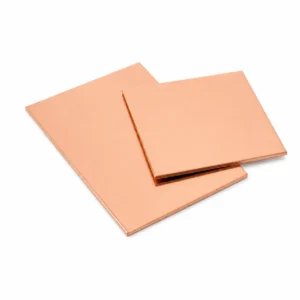
Selection is usually disciplined by five questions:
- What alloy and temper meet forming, strength, conductivity, corrosion, and finish needs?
- What thickness, flatness, grain direction, profile tolerance, and edge condition are on the drawing?
- Which process has the right rated capacity, guarding, chip evacuation, and thermal control?
- What incoming documents and first-piece measurements will release the lot?
- Who owns traceability when stock is slit, cut, deburred, or outsourced?
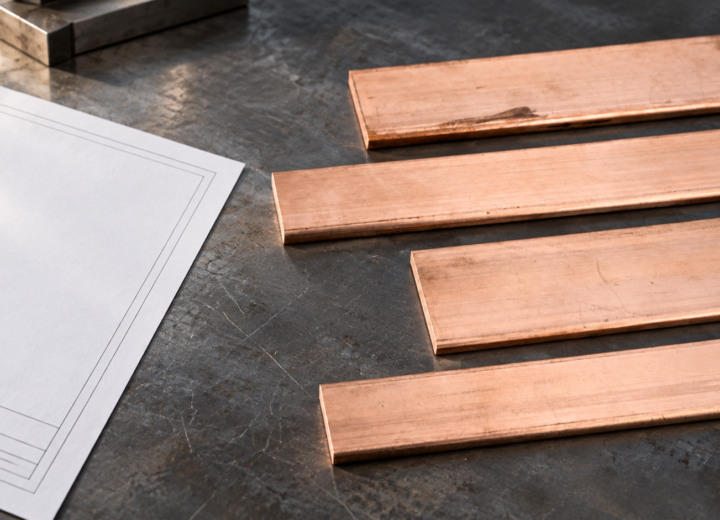
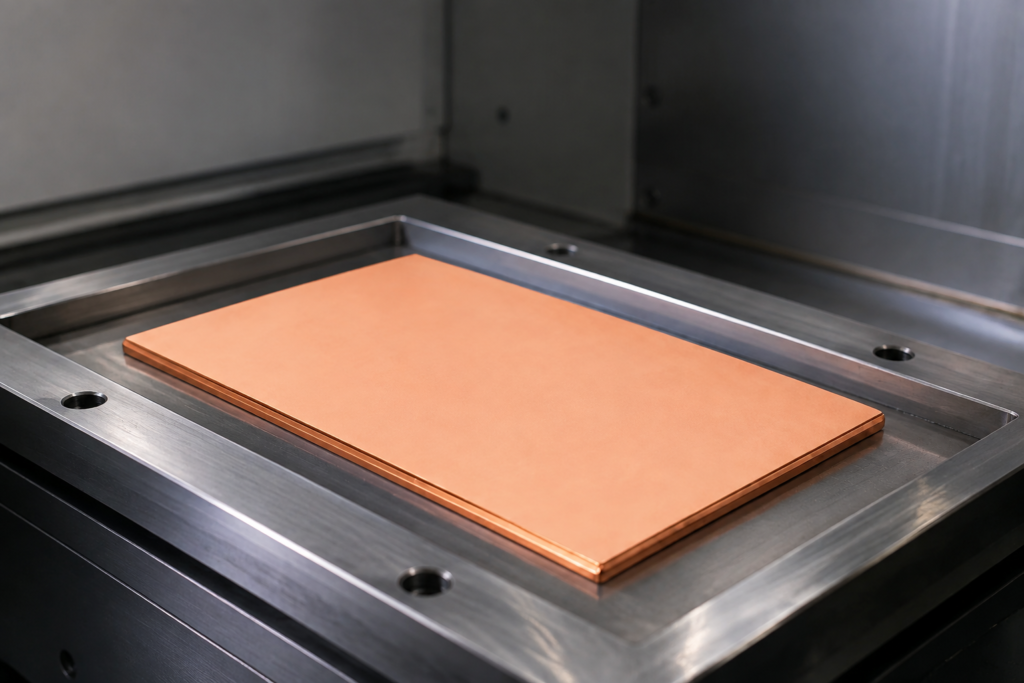
DONGYAO / Zhejiang Dongya Electronic Co., Ltd. can be considered when a project needs documented sourcing across electrical component and conductive-material categories; keep the request specific about alloy, temper, cut profile, inspection evidence, and destination. Buyers can review the company’s aluminum sheet context alongside its copper plate products and copper busbar options, without treating adjacent product information as proof of a particular aluminum grade. For an aluminum plate order, request the same discipline in lot identification and edge acceptance.
Frequently Asked Questions
What is an aluminum sheet?
An aluminum sheet is a flat wrought aluminum product supplied in a specified alloy, temper, thickness, and surface condition. In practice, the purchase description should also state tolerance, flatness, and any forming or finish requirement. Ask for product documentation tied to the lot; appearance alone cannot establish grade.
What is the difference between foil, sheet, and plate?
Foil, sheet, and plate are product-form terms differentiated mainly by thickness conventions and the applicable product standard or market practice. The boundary is not universal across every alloy, region, or specification, so the order should name the governing standard and exact thickness rather than rely on a label. The supplier and design team should resolve any conflict before cutting.
Which aluminum alloy should I choose?
Choose the alloy family and temper from the function: forming, strength, conductivity, corrosion environment, joining, and finish may point to different options. A 1xxx, 3xxx, 5xxx, or 6xxx designation is only a starting point; confirm the required temper and properties in the applicable specification. Request a sample or engineering review when the cut edge will be formed or electrically joined.
How do you cut aluminum sheet?
Choose a guarded shear, saw, router, laser, or plasma process based on geometry, stock condition, tolerance, and machine capacity. Support and clamp the work, control chips and heat, deburr without changing the drawing dimension, and inspect the profile and edge before release. For a repeat order, retain the approved setup and first-piece record.
References
- ASTM B209/B209M, Standard Specification for Aluminum and Aluminum-Alloy Sheet and Plate
- Aluminum Association: Standards and specifications
- U.S. Government Publishing Office: 29 CFR Part 1910, General Industry
For a project that also needs conductive components or coordinated sourcing, contact the team with your alloy, temper, thickness, profile, tolerance, and documentation requirements.
For related conductor products, view the product categories.