Summary: Have a qualified electrician verify services, applicable code and electrode design before installation. US NEC requires ≥8 ft of electrode soil contact — not a global standard. Specify connections, protection, verification and records upfront, then compare like-for-like quotes.
An earth rod is one electrode option, not a complete grounding system. Soil, existing electrodes and local rules determine its connection to the conductor and bonding network. Earth must not replace the metallic fault-current return path needed for protective devices to operate.
What must be verified before earth rod installation begins?
Confirm the jurisdiction, adopted code edition and purpose. Building services and temporary construction supplies can have different requirements. Identify existing electrodes and the conductor route before purchasing; the earth rod may need to join an existing grounding electrode system.
For US NEC-based work, Section 250.52(A)(5) specifies rod-and-pipe electrodes, including an 8 ft minimum length. Material, diameter and listing provisions matter; a copper sales description is insufficient. Check the exact item against the adopted edition and specification.
Locate buried services before ground penetration and verify clearance with the responsible utility or authority. OSHA 1926.651(b) requires estimated utility locations before excavation in covered construction work and safe determination of exact locations as operations approach them. A clear surface does not establish a clear underground route.
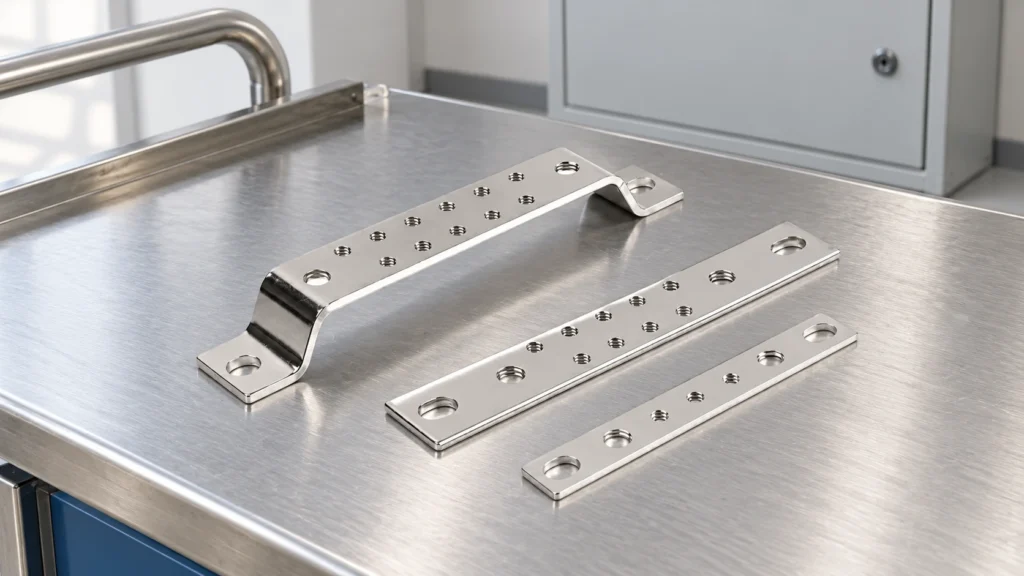
Record ground constraints, corrosion exposure and access. Coordinate custom aboveground copper interfaces during earth rod installation planning; this fabrication service does not offer electrode installation.
What job sequence makes earth rod installation controllable?
Release work after the earth rod, conductor, connection and route are accepted. The electrician must establish safety and isolation arrangements and choose an approved installation method suited to the ground. Follow the electrode manufacturer’s instructions with compatible tooling.
Under NEC 250.53(G), the normal rod-and-pipe requirement is at least 8 ft of soil contact, not a worldwide fixed-depth instruction. Rock conditions require the applicable exception and design review, not an improvised shorter electrode.
Avoid damaging coatings, threads or couplings. Protect exposed parts and the conductor against physical damage, preserving specified inspection access. An obstruction requires a documented stop and reassessment, not relocation near unverified services.
Plan an inspectable, protected connection before driving. Copper composition alone does not establish electrode suitability: copper fabrication materials are manufacturing stock, not evidence of an approved grounding electrode.
How should an earth rod be connected and verified safely?
NEC 250.70 governs electrode connections in NEC-based installations. Use an approved method compatible with the earth rod and conductor; buried connectors must be suitable for that location. Tighten mechanical connections to the manufacturer’s specified torque using the appropriate tool, never a generic torque value.
Inspect the connection, conductor route, protection and bonding. Select resistance tests for the system topology and available space. Fall-of-potential testing needs a valid test arrangement; clamp-on methods require suitable parallel return paths and cannot automatically characterize an isolated earth rod.
Never disconnect energized grounding for a reading. A qualified professional must determine safe isolation, any temporary safeguards and the test procedure. Record method, instrument identification, connection arrangement, site conditions and result so the measurement is interpretable.
Within its construction scope, OSHA 1926.404(f)(10) requires a single rod, pipe or plate electrode above 25 ohms to be augmented by one additional electrode; multiple such electrodes must be at least 6 ft apart. Neither value is a universal acceptance rule. Confirm the project criterion before accepting results.
Which scope dimensions change an earth rod price comparison?
An earth rod price comparison needs matching items and scope. Separate materials, installation and acceptance work; request written exclusions.
| Cost driver | Detail to request | Why it changes the quote |
|---|---|---|
| Electrode | Material, length, diameter, listing, couplings | Constructions are not interchangeable |
| Site | Access, utilities, rock, approved method | Equipment and labor differ |
| Connections | Conductor, connector, protection, access | Excluded from rod-only prices |
| Completion | Testing, records, restoration, inspection fees | Acceptance adds work |
| Commercial basis | Currency, location, date, freight, tax | Delivered and installed totals differ |
How should an earth rod installation package be purchased?
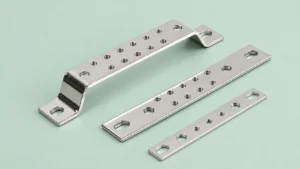
DONGYAO, Wenzhou Dongyao Trading Co., Ltd., supplies copper and aluminum materials, custom copper fittings, busbars and grounding bars. Its role here is drawing-led aboveground copper interfaces, not electrode or buried-clamp supply or installation.
- Have the electrical professional specify the buried electrode, connector and conductor.
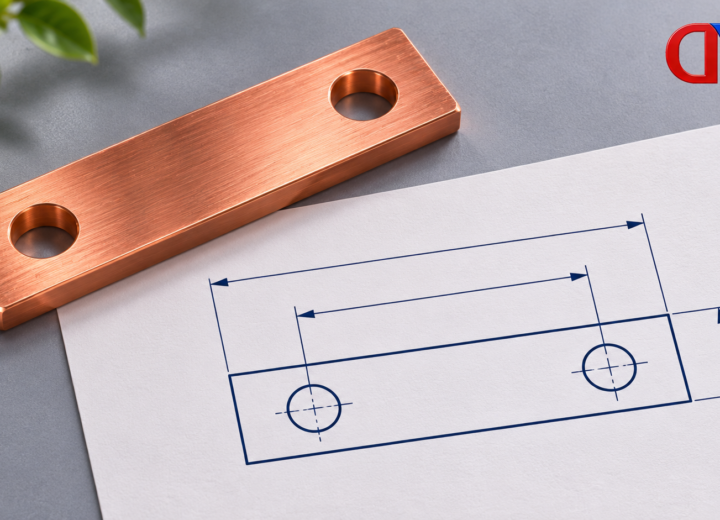
- Define aboveground material, finish, holes, termination, mounting and exposure.
- Check tin-plated terminals against the drawing; plating does not establish burial or termination suitability.
- Assign site work, inspection and records; fabrication approval is not system acceptance.
Keep earth rod installation procurement separate from electrical design approval.
Frequently Asked Questions
How much does it cost to install an earth rod?
Obtain a site-specific installed quote from a qualified contractor. It should identify materials, utility checks, labor, equipment, connections, protection, testing and reinstatement, plus exclusions. A rod-only price does not answer the installed-cost question.
How much does an earthing rod cost?
Request a current quote for a matched item, stating currency, delivery location, material, diameter, length, listing and included couplings. Compare freight and tax on the same basis; there is no defensible universal price without these details.
How much does a grounding rod cost?
The term alone does not specify a purchasable product. Confirm the electrode construction and required approvals, then obtain a dated supplier quote for that exact specification. Keep connectors, conductors and installation outside a rod-only comparison unless explicitly included.
How much does a 3 meter copper earthing rod cost?
Distinguish 3 m copper-bonded steel electrodes from solid-copper ones first; construction and material differ. Match diameter, coating specs, listings and couplings before pricing. Copper stock and custom bonding bars are not approved electrode substitutes.
References
- NFPA 70: National Electrical Code
- OSHA 1926.404: Wiring design and protection
- OSHA 1926.651: Specific excavation requirements
A dependable installation starts with a verified specification and ends with interpretable records. Send DONGYAO a dimensioned drawing with material, finish, hole and mounting requirements for a custom grounding copper bars inquiry. Keep electrode supply and electrical installation with qualified providers.
For related conductor products, view the product categories.