When a procurement engineer in Suzhou asked a fabricator to make a purple busbar, the team wiped on a strong oxidizer and watched the surface turn blotchy brown within minutes. A second batch flaked after clear coating. A coupon review showed the root cause was surface preparation and an undefined acceptance range—not a bad copper product.
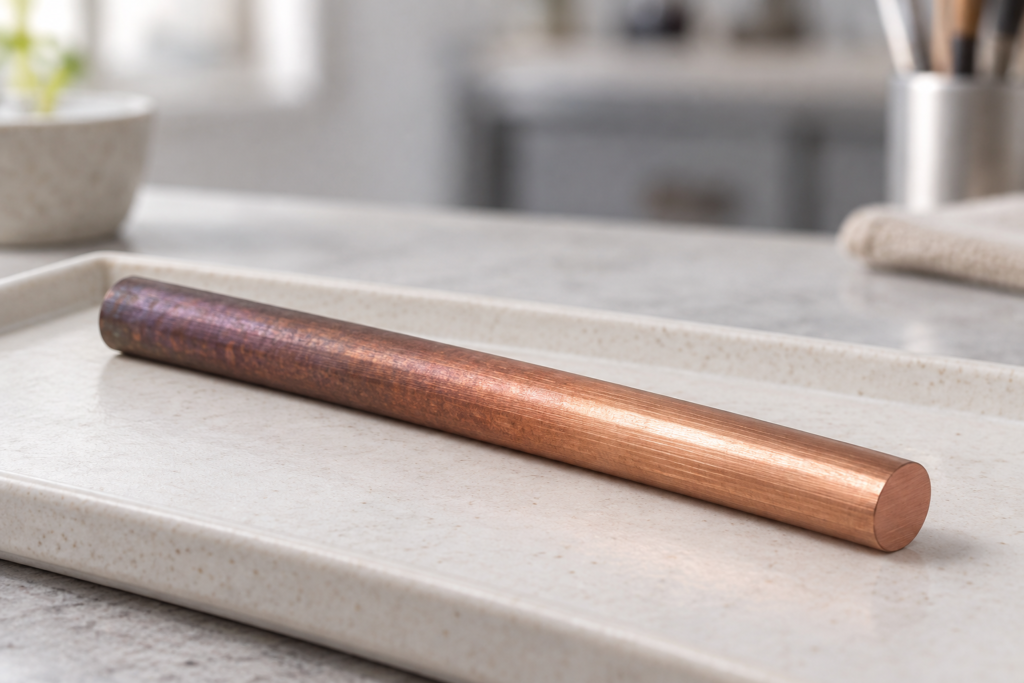
A purple copper finish is a surface patina, not a new alloy
Patina forms when the outer microns of copper react with oxygen, sulfur, chloride, or a proprietary oxidizer. The film changes reflected light while the substrate remains the same grade; XRF or a mill certificate still identifies the copper. In purchasing language, purple copper describes appearance, while conductivity, thickness, and forming behavior come from the base material.
Names can overlap in sales conversations. Red copper is a trade term for high-copper material, and pure copper usually means commercially pure grades such as C10100/C11000; neither term guarantees a purple color. Confirm the grade, temper, and finish as separate fields on the drawing.
Pure copper and red copper need a safe workshop sequence
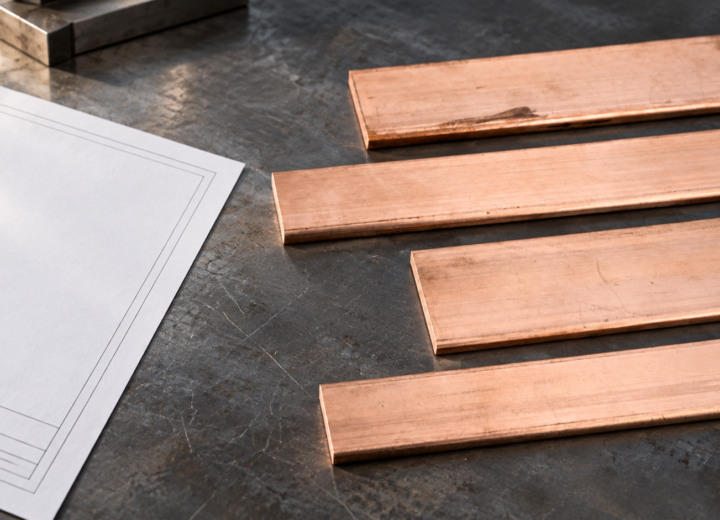
Start with a representative panel or purple copper plate blank. Degrease with a compatible cleaner, rinse with de-ionized water, and abrade uniformly with 400–600 grit; fingerprints create halos that no chemical can correct. Record the batch, temperature (ideally 20–25 °C), dwell time, and wet-film appearance.
Apply a commercial liver-of-sulfur or other copper-patina solution at the supplier’s dilution, using a plastic or dedicated stainless applicator. Build color in 15–30 second passes until the coupon matches the approved master; never mix bleach with acids or ammonia. Wear gloves, eye protection, and ventilation, and follow SDS disposal rules.
Rinse thoroughly, neutralize only when the SDS permits (a dilute sodium-bicarbonate rinse is common), and dry below 60 °C. Seal with a compatible clear coat after the surface is fully dry; test adhesion after 24 hours. For conductive parts, mask contact faces and verify resistance after coating rather than assuming a decorative finish is electrically neutral.
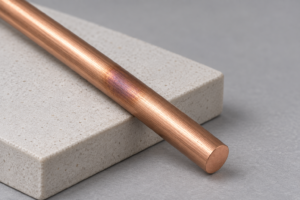
Surface preparation controls purple copper shade and durability
Three coupons from the same red copper or pure copper lot reveal process drift faster than a full run. Compare coupons with the signed master under agreed lighting; document a color tolerance instead of saying “purple” alone. Measure lacquer adhesion with ASTM D3359, and use a project-defined humidity or salt-spray exposure outdoors.
Edges and bends may shade differently; qualify forming before patination and keep a 5–10 mm unpatinated contact margin. Accept natural darkening only when the maintenance specification allows it.
Method choice affects red copper control, risk, and total cost
| Method | Shade control | Durability | Primary risk | Best fit |
|---|---|---|---|---|
| Commercial sulfide solution | High with coupons and timed passes | Needs compatible sealer | Over-darkening and odor | Small batches, decorative panels |
| Nitrate/chloride patina system | High but chemistry-sensitive | Moderate before sealing | Acid mist and residues | Specialist finishing shops |
| Heat-only oxidation | Low to medium | Usually thin and variable | Warping, hot spots | Art prototypes, not tight lots |
| Pre-finished sheet or coating | High from approved sample | Specified by coating system | Repair and edge matching | Repeat architectural surfaces |
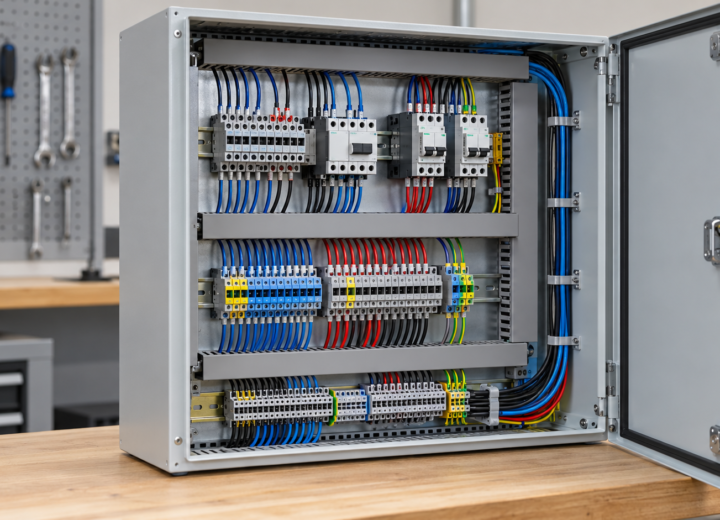
For a busbar, keep mating faces bright, define masking, and run electrical and thermal checks on finished assemblies. A decorative purple copper panel can accept more variation than a contact component, so inspection should follow the application.
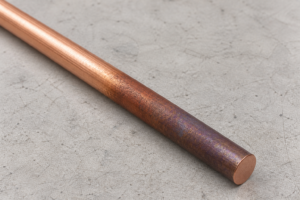
Specify pure copper application first, then lock the patina process
| Application | Base material decision | Process controls | Acceptance evidence |
|---|---|---|---|
| Indoor feature panel | pure copper sheet, suitable temper | Coupon, timed passes, clear coat | Master sample and visual tolerance |
| Outdoor cladding | Grade and thickness for forming | Edge treatment, UV/moisture review | Exposure test and maintenance note |
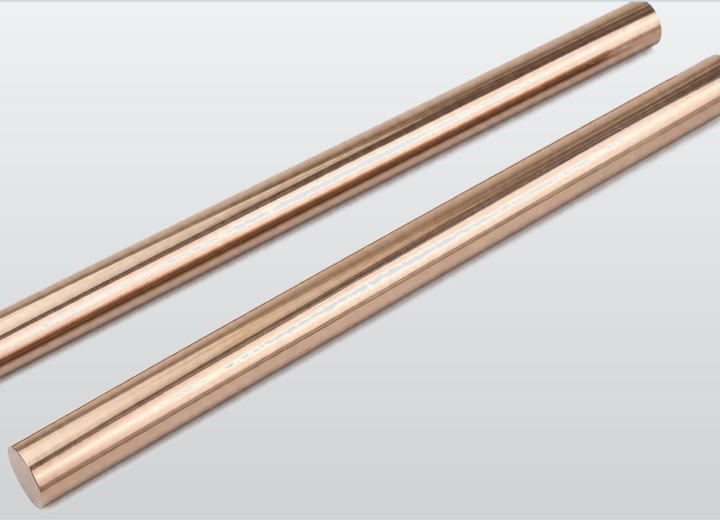
| Decorative hardware | red copper rod or plate | Mask threads and contact areas | Color, adhesion, fit check |
| Electrical busbar | Specified conductivity and temper | Mask joints; test resistance and temperature rise | Electrical test report and coating data |
Ask suppliers for the copper grade certificate, patina product SDS, process window, and retained master coupon. DONGYAO can help buyers configure copper plate, rod, strip, or busbar dimensions and provide production documentation; see the product range before freezing the finish specification. For a quotation, send the drawing, service environment, target shade, and required tests through contact us.
Frequently Asked Questions
What is pure copper?
Pure copper is commercially pure copper with very small residual elements, sold in grades such as C10100 or C11000. The grade controls conductivity and fabrication behavior; it does not describe a purple surface. Confirm the applicable ASTM or EN material specification on the purchase order.
What is red copper?
Red copper is a common market name for high-copper material, especially in Chinese-language trade. It may refer to several grades, so request a chemical and temper certificate. A red-copper part can receive a purple patina if the surface is prepared and sealed correctly.
What is purple copper?
Purple copper normally means copper carrying a purple patina or coating, not a distinct bulk metal. Shade comes from the thin reacted film and lighting, so approve a physical sample. Keep the base grade and finish description separate in the drawing.
Are purple copper, red copper, and pure copper the same?
They are not interchangeable labels: pure copper and red copper describe composition or trade usage, while purple copper describes appearance. One part can be pure copper, sold as red copper, and finished purple. Certificates and a finish sample resolve the ambiguity.
Does purple copper mean a special alloy?
No. In most architectural and craft requests, purple copper is ordinary copper with a controlled patina; it is not evidence of a new alloy family. If a supplier claims otherwise, ask for the alloy designation, chemistry, and standard before paying an alloy premium.
References
- Copper alloys, properties and uses
- Copper.org Copper 101
- Copper standards and specifications
- Copper in architecture
- Copper busbar applications
Ready to specify a safe, repeatable finish? Share your dimensions, environment, and master shade with DONGYAO so the right copper form and documentation can be quoted together.
For related conductor products, view the product categories.