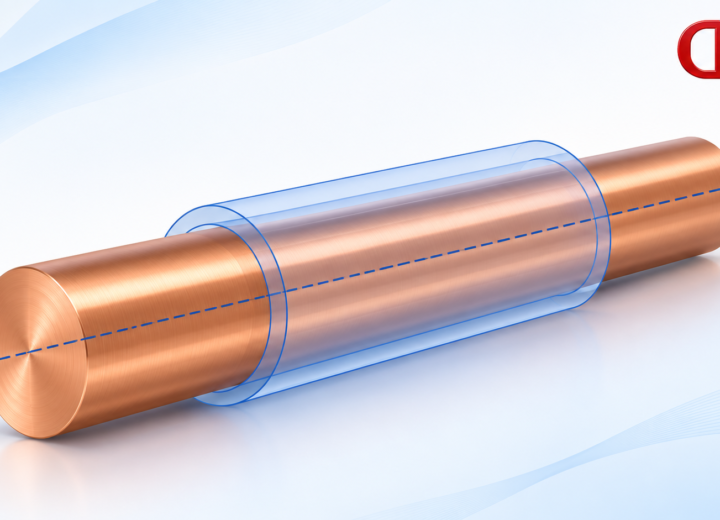
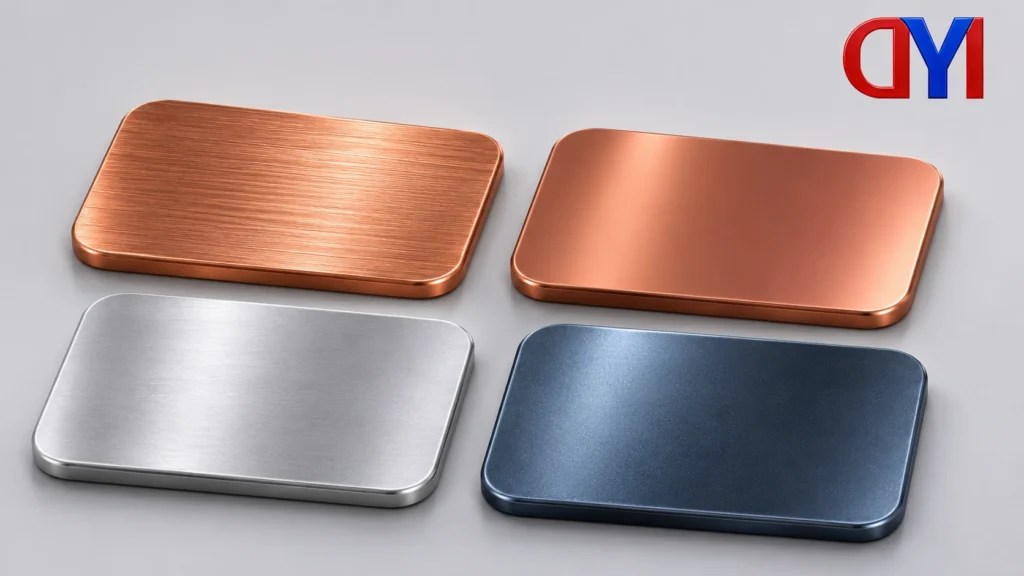
Choose finishes for metal by identifying the substrate and the job the surface must do. A copper part with a plated finish, an anodized aluminum part and a brushed surface represent different finishing decisions. A color description alone does not define the process, coverage or finished-part requirements.
For copper and aluminum components, separate appearance from the needs of mating faces, holes and other functional areas. Those requirements should be resolved together on the drawing.
Separate surface texture from a coating or conversion finish
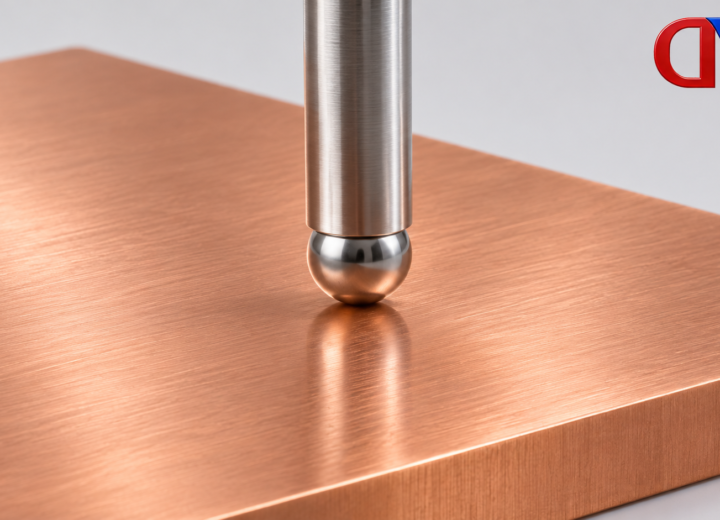
Mechanical finishing can create a directional grain, matte appearance or polished texture. It describes the surface condition produced by a mechanical operation. That condition may be the final appearance or a preparation for a later finish.
Aluminum anodizing is different: controlled electrochemical oxidation forms an anodic oxide from the aluminum surface. The Aluminum Anodizers Council explains that the underlying mechanical texture can remain visible through the oxide. Anodizing should therefore not be treated as a way to hide every scratch or surface irregularity.
Plating and applied coatings introduce another route. The selected finish must suit the substrate and the intended function. Confirm the actual process rather than interpreting all bright silver-colored surfaces as the same treatment.
Compare finishes for metal by the question they answer
| Route | Selection starting point | What to confirm |
|---|---|---|
| Mechanical texture | Brushed, matte or polished appearance | Texture, direction and acceptable surface condition |
| Tin plating on copper | A specified metallic surface finish | Substrate, complete coating requirement and covered areas |
| Anodizing aluminum | An anodic oxide finish on an identified aluminum alloy | Alloy, finish type, appearance and dimensional requirements |
| Paint or powder coating | An applied colored coating | Qualified coating system, texture, coverage and functional exclusions |
Tin on copper and anodizing on aluminum are documented examples of substrate-specific finishing routes. They are not interchangeable names for a generic metal finish. The list also does not establish which treatments a particular supplier offers.
For aluminum, alloy and temper affect the response and appearance after anodizing. If appearance matters, agree how it will be assessed rather than relying only on a named color. For a copper plating request, identify the copper substrate and the complete required finish; the word “plated” leaves too much unresolved.
Why “silver finish” leaves a copper-part request unresolved
Imagine a drawing for a copper component with the note “silver finish, all over.” That phrase could describe a desired appearance rather than a defined treatment. It does not identify the coating material, the complete process requirement or whether a functional surface is included. A supplier should clarify those points before interpreting the color as permission to choose a treatment.
If the intended route is tin plating, name that requirement and identify the copper substrate. If the visible face also needs a directional texture, state that separately. A named coating and an appearance description answer different questions; neither should silently replace the other.
A request prompted by existing discoloration raises another issue: identify the surface change before choosing a new finish to address it. The copper oxidation and corrosion explanation distinguishes the observation from a conclusion about the underlying condition. A cosmetic match does not resolve that investigation.
Define functional zones and final dimensions
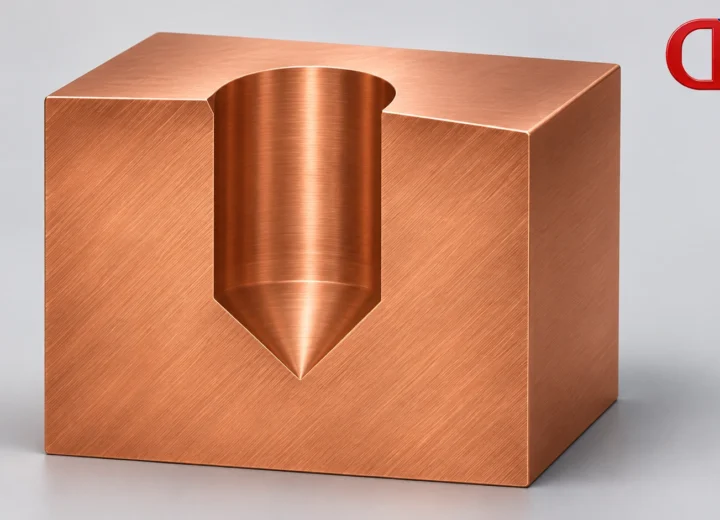
A whole-part cosmetic instruction can overlook a critical hole, mating face or other functional region. Masking and plugging can provide selective coverage, but the feasibility and boundaries need review for the actual part and process.
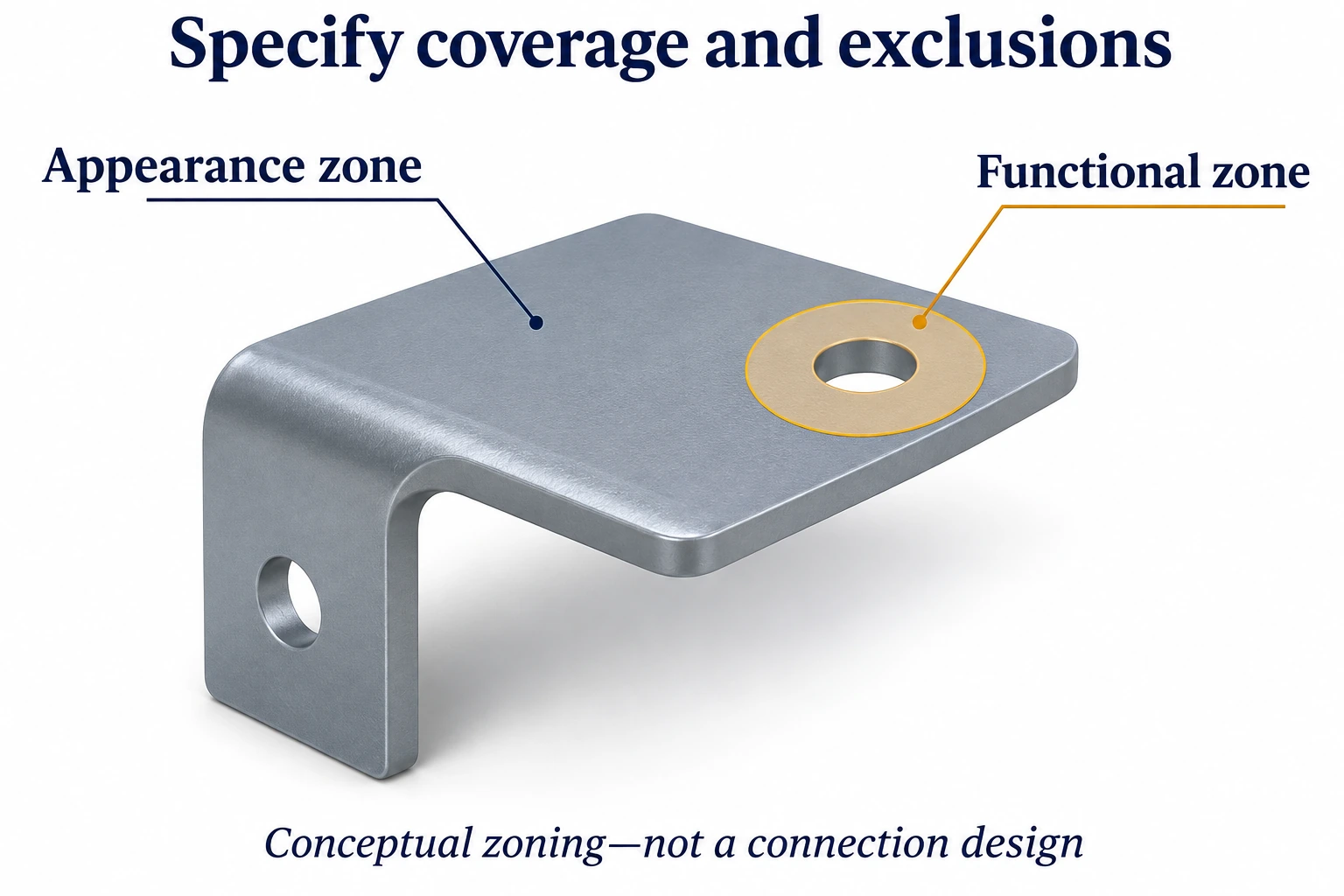
Finishing can affect fit. AAC’s anodizing guidance specifically notes dimensional changes and their dependence on the alloy and processing conditions. Avoid applying a universal growth allowance to every finish. State which dimensions apply before treatment and which must be met on the finished part.
Where electrical function matters, define the surface requirement for that function. Do not assume that a cosmetic coating is appropriate everywhere, or that leaving an area uncoated automatically qualifies a connection. The complete component requirements still need the relevant engineering evidence.
Turn the finish request into a clear drawing note
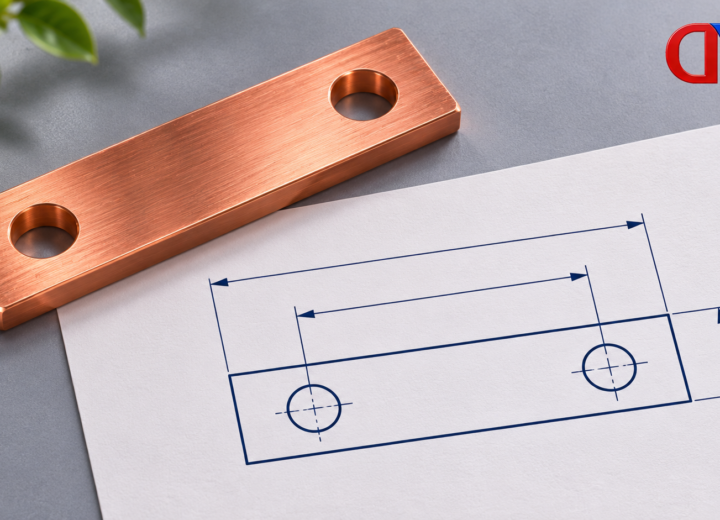
Consider an illustrative component with one visible face and a close-fitting hole. The visible face may have an appearance requirement, while the hole needs a defined finished condition. Mark both areas and resolve their requirements before agreeing a blanket finish for the whole component.
Include the base material and condition, the selected finish requirement, appearance expectations, coverage and exclusions, and dimensions that must hold after finishing. Identify the verification evidence needed for the actual function. Keep these details with the drawing revision so a finish sample and a production request refer to the same requirement.
For a copper-bar drawing inquiry, DONGYAO’s custom grounding copper-bar product is a relevant starting point. Confirm the available treatment and inspection scope for that drawing; the product listing does not establish every finishing process or a certified connection rating.
Annotate the zones before completing the finish specification
For the illustrative visible-face and close-fitting-hole example, a useful drawing discussion can distinguish three regions. The visible face needs an agreed appearance and texture. The hole needs an explicitly defined finished condition and dimensional requirement. A mating region needs its own coverage and functional requirement, rather than inheriting a cosmetic instruction by default.
Mark each region on the drawing, then resolve the applicable treatment and exclusions with the designer and finisher. This zoning description organizes the questions; it is not a complete production finish specification. The selected coating requirement, boundaries and verification still need to be supplied for the actual material and process.
Finally, identify the condition in which each critical dimension will be checked. If an inspection record refers to a pre-finish dimension while the drawing requires the finished result, the two records answer different questions. The manufacturing metrology guide explains how the defined feature, measurement result and decision rule fit together. This makes a finish review more useful than accepting a sample solely because its color looks right.
References
- Aluminum Anodizers Council: Specifying Anodized Aluminum
- Aluminum Anodizers Council: Anodizing and masking FAQs
- Protolabs: Finish routes, substrate examples and masking
For related conductor products, view the product categories.