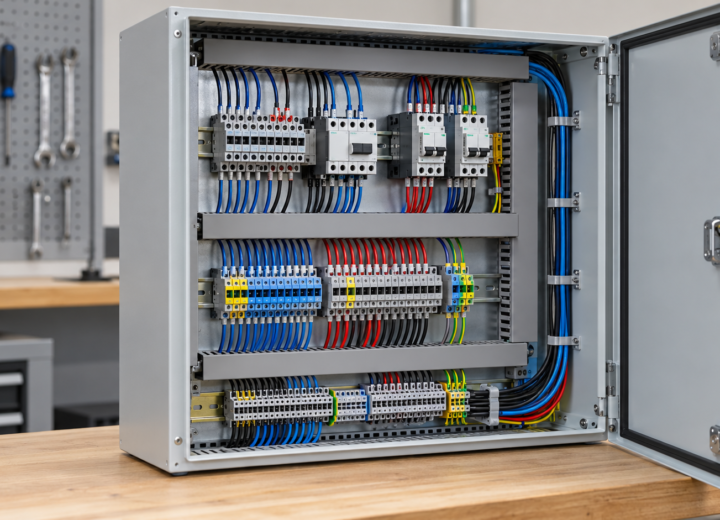
When a switchgear design engineer in Ningbo encountered repeated hot spots after tightening a new main-bus connection, he first changed the torque procedure and then replaced the fastening hardware. The discoloration returned during a short load trial, and the visible failure looked like a faulty joint. The reversal came when the material certificate and drawing were reviewed: the plate had been selected by a supplier shorthand rather than by conductivity, temper, thickness, and surface requirements. It was a specification and application-selection problem, not simply a bad product.
Selecting copper flat material starts with the electrical duty and the drawing
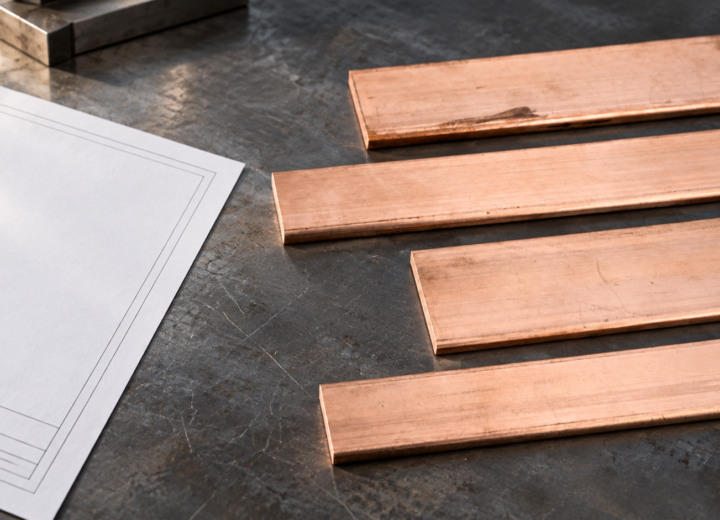
A Copper plate is used where a design needs a low-resistance path, a conductive mounting surface, a heat-spreading layer, or a formed connection. In electrical equipment, the useful question is rarely “which color is better?” It is whether the ordered product will carry the expected current, fit the joint stack, accept the planned bends or holes, and remain stable through installation and service.
Start with the current path and joint geometry. Resistance rises with length and falls with cross-sectional area, so width and thickness are functional dimensions rather than purchasing details. A change from 5 mm to 3 mm thickness reduces the same-width cross section by 40%; that can alter both voltage drop and temperature rise. This is an engineering illustration, not a substitute for a temperature-rise calculation on the completed assembly.
Specify the material designation, nominal dimensions and tolerances, temper, flatness where needed, edge condition, burr limit, and surface condition. For a drilled or punched part, define hole diameter, position, and whether plating, tinning, or joint compound is part of the assembly process. A purchaser can begin with a category such as copper flat products, but the released drawing should convert that category into measurable acceptance criteria. This gives procurement teams a common language during technical review and receiving.
Commercial red and purple copper names need a grade-level comparison
In commercial usage, Red copper plate is often used for high-copper, reddish or purplish-red material. The labels are not universal engineering grade names. Color may vary with surface finish, oxide film, lighting, and trade convention; it cannot confirm oxygen content, residual elements, conductivity, or mechanical temper. Ask the supplier which recognized material designation the label represents and request traceable mill documentation where the application needs it.
For electrical conductors, high-purity copper is valued because low levels of alloying additions can materially change conductivity. The IACS convention gives a common reporting reference: 100% IACS corresponds to 58.0 MS/m at 20°C. Conductivity claims should state the test temperature and method. Eddy-current sorting can be useful for production screening, while a four-terminal resistance measurement on a defined specimen gives a more direct resistance value; neither method alone replaces agreement on material grade and sampling.
Composition and oxygen content affect more than appearance
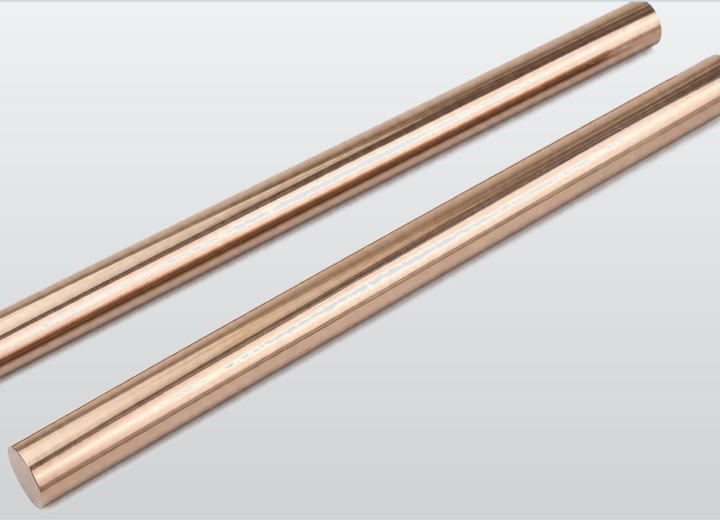
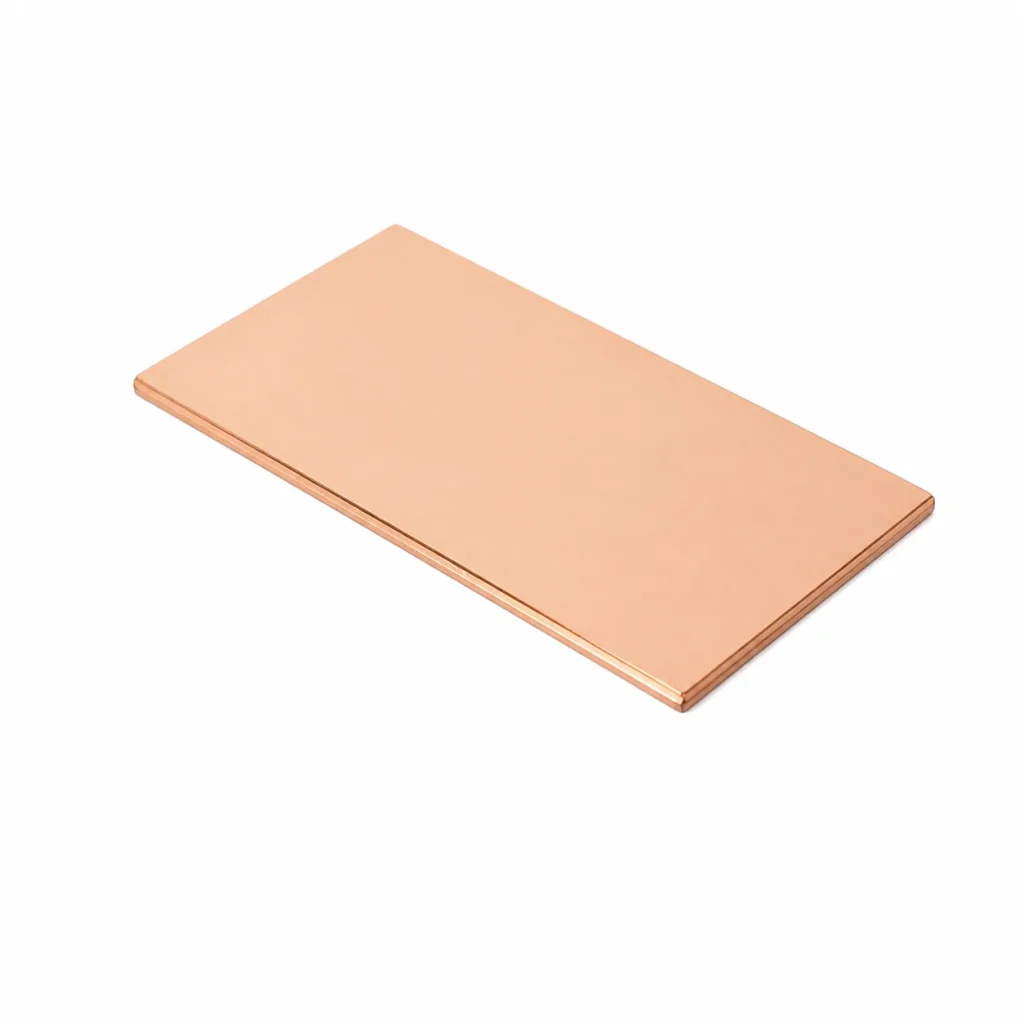
Red-toned copper material ordered for a bolted indoor conductor may perform well in a general high-conductivity grade. Purple copper plate intended for welded, brazed, vacuum, or hydrogen-containing processing needs a more specific review of grade chemistry and manufacturing route. Oxygen-bearing copper can be unsuitable for some hydrogen atmospheres because hydrogen embrittlement is a known process risk. That does not make one color categorically superior; it means the joining and atmosphere must appear on the purchase specification.
Annealed and hard tempers also behave differently during fabrication. Annealed material generally bends more readily, while harder material can offer better shape retention but may demand an adequate bend radius and carefully controlled punch tooling. ASTM B152/B152M covers general requirements and dimensions for certain copper flat products; it is a product specification reference, not proof that a finished electrical assembly has passed every system test.
Surface condition and contact design control joint performance
Both red- and purple-toned copper material develop an oxide film in normal handling. Oxide, fingerprints, burrs, low clamp load, and mismatched plating can increase contact resistance at a joint even when the bulk material is suitable. Define the contact preparation, overlap length, fastener arrangement, torque control, and any compatible coating or plating. Validate the assembled joint with the project’s resistance and temperature-rise procedures rather than relying on the material’s nominal conductivity alone.
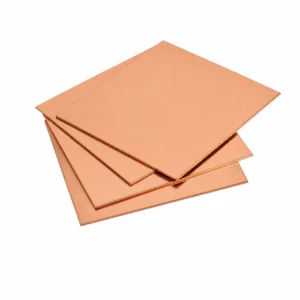
A copper flat-material comparison should include fabrication risk and total cost
The lowest unit quotation for a Red copper plate can create the highest installed cost if material arrives with an unspecified temper, inconsistent hole location, excess burrs, or documentation that does not match the bill of materials. Conversely, an over-specified grade can add cost without improving the actual connection. Compare the delivered part and its verification needs, not just kilograms or nominal dimensions.
| Factor | What to compare | Why it affects value |
|---|---|---|
| Electrical performance | Grade, stated conductivity, cross section, joint design | Determines resistance and supports temperature-rise assessment. |
| Fabrication | Temper, bend radius, punching, deburring, flatness | Influences yield, tooling wear, and rework risk. |
| Joining | Bolting, brazing, welding, plating, surface preparation | Controls contact integrity and process compatibility. |
| Durability | Environment, coating, galvanic interfaces, enclosure conditions | Helps prevent corrosion-driven maintenance issues. |
| Total cost | Incoming inspection, scrap, lead time, documentation, assembly labor | Shows costs that a material-only quote can hide. |
Use an illustrative total-cost review: if a low-price batch causes 3% of 2,000 parts to need rework, the 60 affected parts consume inspection and labor even before delivery impact is counted. The percentage is only an example; use your own defect history, labor rate, and schedule exposure. A capable supplier should discuss whether the savings come from material selection, yield, nesting, tolerances, or process simplification.
| Application | Primary material questions | Useful incoming or process checks |
|---|---|---|
| Switchgear bus connection | Conductivity, cross section, temper, bolted-contact surface | Dimensions, burr condition, certificate review, assembly resistance check. |
| Formed distribution link | Bend formability, springback, hole position, edge quality | Temper confirmation, first-article dimensions, bend inspection. |
| Brazed or welded component | Grade chemistry, oxygen sensitivity, thermal cycle | Procedure qualification and representative joint examination. |
| Corrosive or humid enclosure | Surface protection, mating metals, service exposure | Coating specification and assembly-level environmental review. |
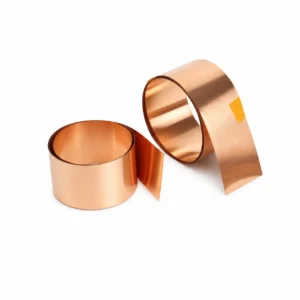
Compliance for red and purple copper material depends on the finished equipment
For a Copper plate, material standards, product safety rules, and customer specifications serve different purposes. ASTM B152/B152M can help define copper flat-product requirements, including dimensions and general requirements, but compliance with that standard is not a certification of a switchboard, transformer, or machinery installation. For an electrical assembly, the applicable requirements must be set by the destination market, voltage, installation type, and responsible party.
IEC 61439-1 addresses general rules for low-voltage switchgear and controlgear assemblies, including design verification concepts; applicability depends on the assembly being supplied. In the United States, OSHA 29 CFR 1910.303 sets general requirements for electrical installations. Neither reference automatically converts a copper-material purchase into a compliant system. Unsupported declarations can delay customer approval, create rework, or expose a seller to contractual and regulatory claims.
Ask the project owner which standards, customer drawings, restricted-substance requirements, marking obligations, and test records apply. Then separate evidence into three files: material certificates for the copper product, manufacturing inspection records for the component, and verification documentation for the finished equipment. This separation prevents a grade statement from being misrepresented as an assembly approval.
Select copper flat material with a controlled procurement checklist
- Define the duty: continuous current, fault duty where applicable, ambient conditions, enclosure, and expected service life.
- Freeze the drawing: grade or accepted equivalent, conductivity requirement, dimensions, temper, holes, bends, edge finish, and surface treatment.
- Review process compatibility before ordering: punching, bending, brazing, welding, plating, cleaning, and storage conditions.
- Agree on evidence: certificate content, sample plan, first-article inspection, packaging, traceability, and change-control expectations.
- Evaluate the assembled joint: use the equipment project’s resistance, dielectric, and temperature-rise verification plan where relevant.
DONGYA (Zhejiang Dongya Electronic Co., Ltd.) can support buyers who need custom copper components by working from controlled drawings and agreed dimensions, processing, and inspection requirements. When a design also calls for a formed conductor, reviewing the matching copper busbar design alongside the plate can reduce unnecessary interfaces. For broader equipment-use context, see the company’s applications.
Frequently Asked Questions
Are commercial red and purple copper labels equivalent?
Not necessarily. The names are commercial descriptions that can overlap, but they do not by themselves establish a recognized grade, conductivity value, oxygen level, or temper. Request the specific designation and certificate before treating either name as equivalent.
Which copper flat material is better for a high-current connection?
The suitable copper flat material is the one whose grade, cross section, joint design, and temperature-rise performance meet the assembly requirement. High conductivity helps, but a well-designed contact surface and correct fastener control are also essential. Verify the final connection under the project’s defined operating conditions.
Can I specify conductivity only when buying a copper component?
No. Conductivity is important, yet it does not control thickness tolerance, temper, bendability, hole position, burrs, or surface condition. Add a material grade, dimensions, processing details, and inspection criteria to the purchase specification.
Does purple-toned copper material need plating?
Whether a Purple copper plate needs plating depends on the mating materials, environment, contact design, and maintenance plan, not on the color term. Tin or other finishes may be selected for a defined joining or corrosion-control reason. Confirm coating thickness, adhesion, and contact compatibility in the assembly design.
What documents should a B2B buyer request?
Request the drawing revision, material certificate, dimensions and tolerances, stated temper, conductivity evidence where required, and inspection or traceability records agreed in the order. For equipment projects, also identify the assembly-level verification documents that the responsible manufacturer must retain. Align the request with the contract and destination-market requirements.
References
- Copper Development Association: Copper microstructure resources
- Copper Development Association: Physical properties of copper
- ASTM B152/B152M-23: Copper sheet, strip, plate, and rolled bar
- IEC 61439-1: Low-voltage switchgear and controlgear assemblies
- OSHA 29 CFR 1910.303: General requirements for electrical installations
A copper connection earns confidence through a clear specification and a verified assembly, not through a color label. When your next design needs a controlled custom copper component, contact DONGYAO with the drawing, application, and inspection expectations.
For related conductor products, view the product categories.