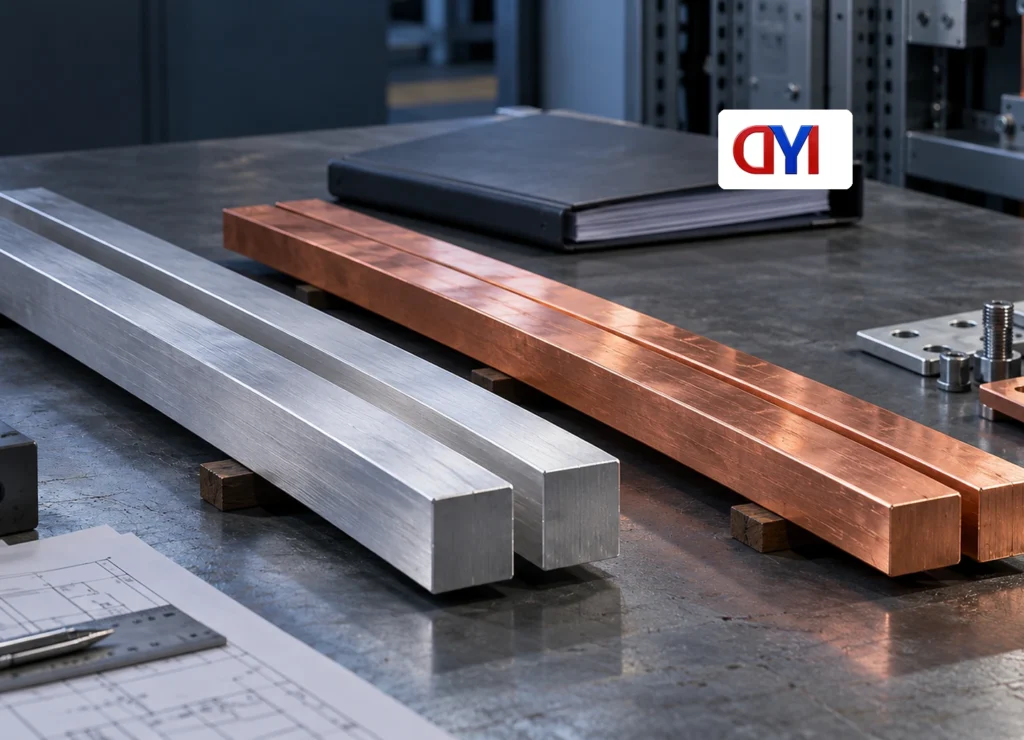
When a switchgear engineer in Manchester, Daniel, encountered a hot joint after replacing copper stock with an equal-sized aluminum bar, the material initially seemed defective. In this illustrative example, the substitution changed both conductor resistance and terminal compatibility. The remedy required a complete conductor-and-joint review, not simply a thicker replacement bar.
Summary: Aluminum busbar can be suitable when the alloy, section, supports and connections are designed together. ASTM B317/B317M covers 6101 aluminum-alloy bus-conductor products. A 400A designation alone cannot select a universal bar size: temperature rise, enclosure conditions and fault duty must be validated for the final assembly.
Specify conductor alloy rather than general-purpose stock
6101 is identified in ASTM B317/B317M for electrical conductor products in selected tempers. General-purpose structural aluminum should not be substituted just because its dimensions are convenient. Request the alloy, temper, resistivity requirements and mechanical properties applicable to the ordered form.
Copper conductor bar can be specified under ASTM B187/B187M, which covers named copper grades and different supply conditions. A grade designation and a conductivity test are separate from an assembled busbar rating. Resistivity measurement under ASTM B193 addresses conductor material; it does not establish an enclosure’s current capacity.
| Selection issue | Copper | Aluminum | Procurement consequence |
|---|---|---|---|
| Resistance at the same geometry | Usually lower for conductor grades | Usually higher | Compare verified resistivity at a common temperature |
| Mass for a given volume | Higher | Lower | Evaluate support and handling requirements |
| Space for equal resistance | Often more compact | May need more section | Check clearance and terminal geometry |
| Connection design | Must match terminal and finish | Needs aluminum-compatible connection system | Approve the whole joint, not the bar alone |
| Installed cost | Material cost is one element | Savings depend on assembly changes | Include terminals, tooling, testing and service |
Use resistance comparisons without turning them into ampacity tables
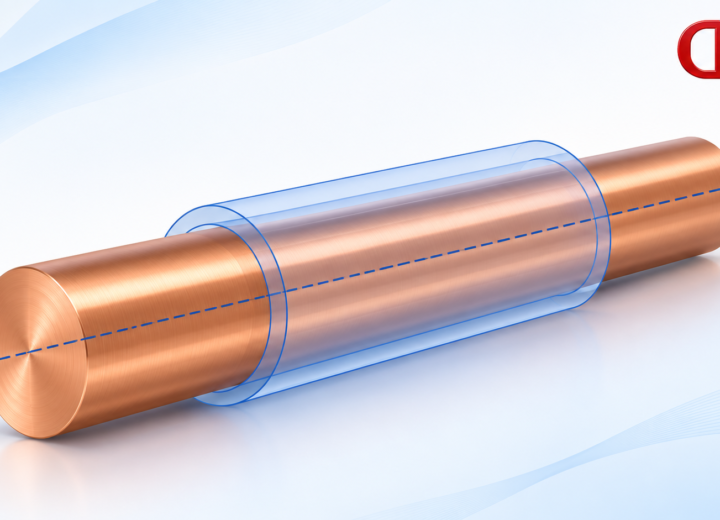
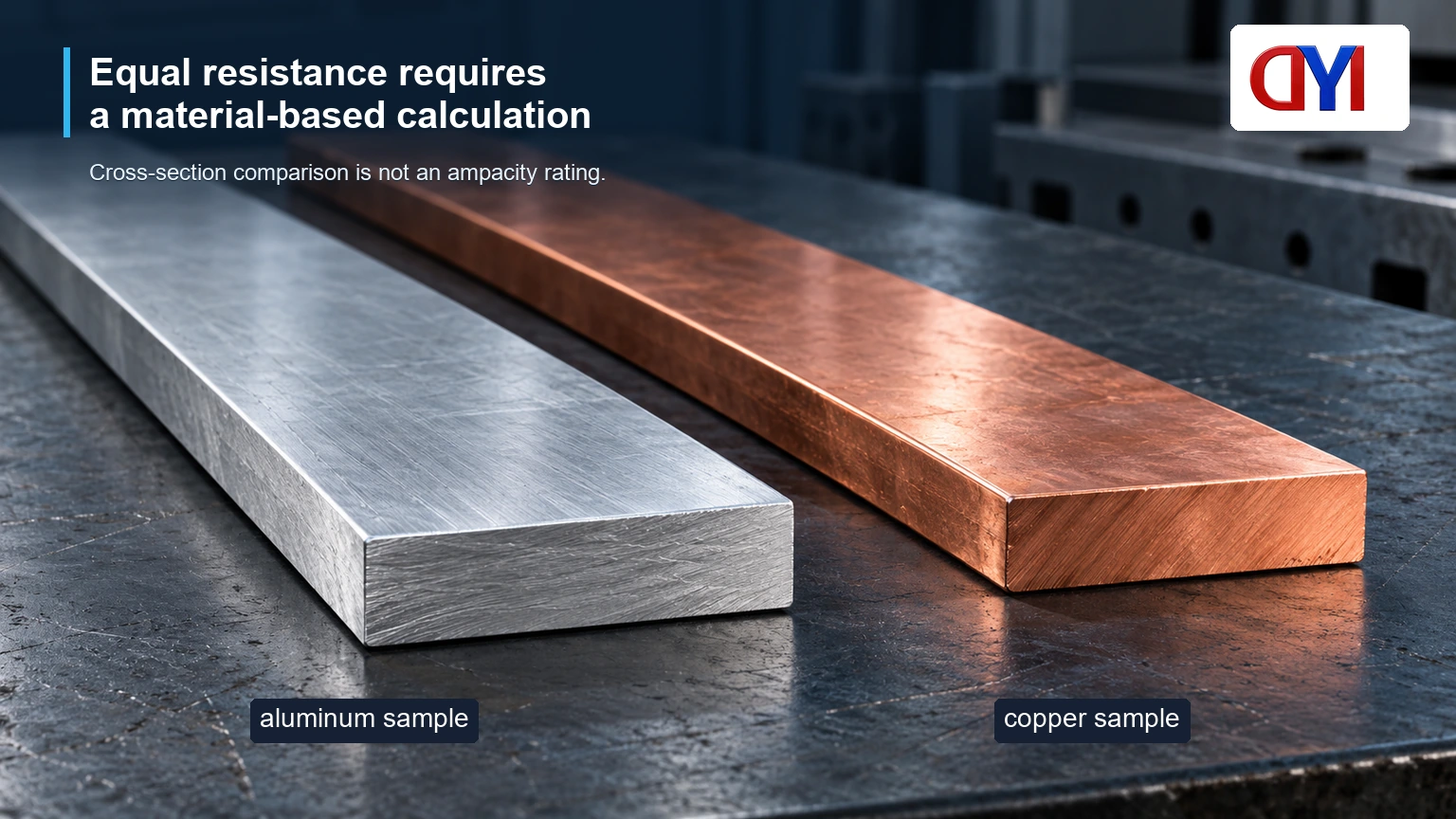
For a uniform straight conductor, resistance follows R = ρL/A. For equal length and resistance at the same temperature, the area ratio equals the resistivity ratio. This is a useful first comparison before thermal and mechanical design.
For illustration only, assume the selected aluminum’s resistivity is 1.6 times that of the selected copper. A 100 mm² copper section would correspond to 160 mm² of aluminum for equal calculated DC resistance. The 1.6 factor is an assumption for this example, not a specification for every alloy or temper. Neither section has been assigned an ampere rating.
Heat dissipation depends on exposed surface, orientation, spacing, ventilation and the enclosure. AC operation can introduce additional distribution effects. Short-circuit forces and withstand duration also matter. These requirements explain why copying a single current-density figure into a 400A order can produce a misleading answer.
Define the joint before approving the replacement
Aluminum develops an oxide surface, and the connection system must manage contact pressure and the relevant surfaces over its service conditions. Follow the terminal manufacturer’s preparation, compound and torque instructions. A generic sanding or torque rule cannot cover every connector.
US OSHA 29 CFR 1910.303(c) requires terminals used with aluminum to be identified for that use. It also restricts contact between dissimilar conductors unless the connecting device is identified for the purpose and conditions. These are application requirements, not a statement that any silver-colored connector is suitable.
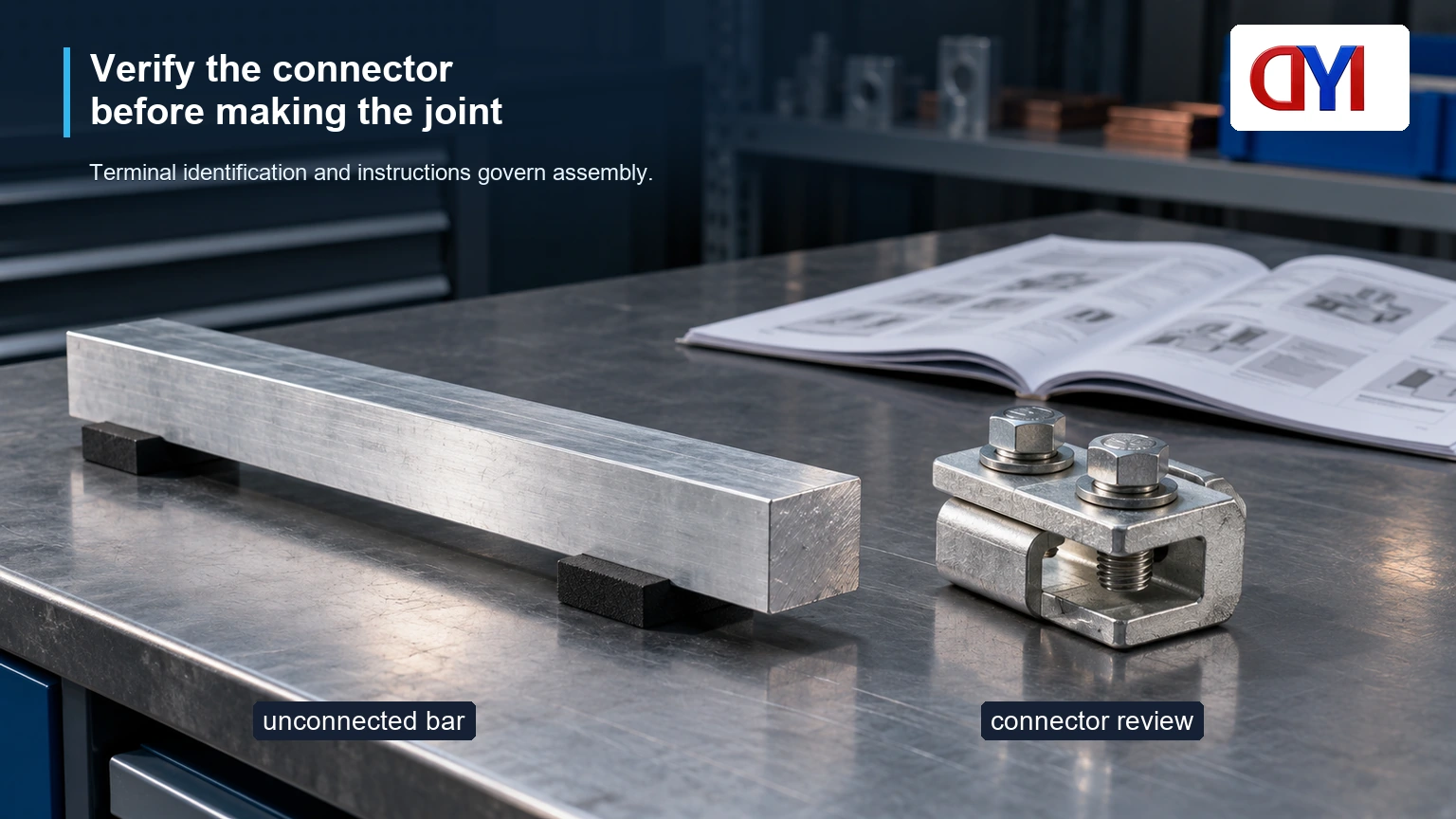
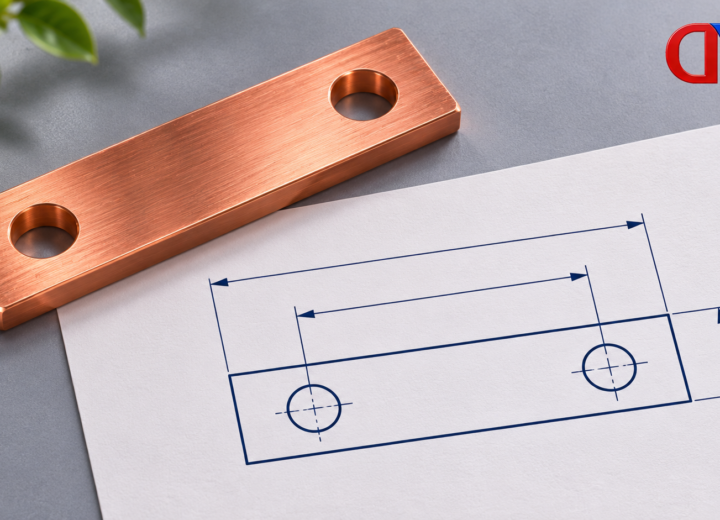
Do not apply an arbitrary inhibitor, replace specified washers or assume that a plated face approves a copper-to-aluminum transition. Confirm conductor range, finish, fasteners, torque method and any maintenance requirement with the connection-system documentation. A joint review should precede drilling the production bars.
What belongs in a 400A busbar RFQ?
| Required input | Why it changes the result | Evidence to request |
|---|---|---|
| Continuous and cyclic current | Determines the thermal duty | Load profile and design calculation |
| Enclosure and ambient | Sets cooling conditions | Assembly configuration and temperature-rise basis |
| Conductor alloy, temper and size | Affects resistance and mechanics | Batch material and dimensional records |
| Terminal and surface system | Controls the connection interface | Approved terminal instructions and joint schedule |
| Fault level and duration | Governs mechanical and thermal withstand | Applicable assembly design verification |
Two bars with the same width and thickness can behave differently in different enclosures. Identify the governing equipment standard and its adopted edition. IEC 61439 is commonly relevant to low-voltage assemblies, but the applicable assembly requirements and verification route must be agreed with the equipment designer. A material test report cannot replace that review.
An honest total-cost comparison includes conductor mass, machining, transition hardware, supports, assembly time and validation. If the aluminum option requires a larger enclosure or different terminals, those costs belong in the comparison. Avoid claiming a fixed percentage saving without actual project quotations.
Procurement sequence
- Fix the duty and assembly environment before selecting the conductor.
- Compare documented alloy and temper options at the same electrical basis.
- Resolve terminal compatibility and the complete fastening arrangement.
- Validate the finished assembly and retain the approved production configuration.
DONGYAO’s copper busbar product page can support a copper-side sourcing discussion. For an aluminum alternative, request written confirmation of alloy, temper and conductor documentation. The earlier guide to grounding bars explains why protective and power-conductor functions must also be distinguished.
Frequently asked questions
Can you use aluminum for a bus bar?
Yes, with an appropriate conductor alloy and a validated assembly and connection design. The selection must account for resistance, heat dissipation and fault duty. Existing copper terminal hardware is not automatically reusable.
What is an aluminium busbar?
It is an aluminum conductor used to distribute electrical current or provide a specified connection function. Its material and geometry are only part of the assembly. Supports, terminations and operating conditions affect performance.
Which type of aluminum is best for bus bars?
6101 is a recognized bus-conductor alloy covered by ASTM B317/B317M. The appropriate temper and section depend on electrical and mechanical requirements. There is no best grade independent of the design.
What is the size of an aluminium busbar for 400 amps?
No single size is valid for every 400A installation. Provide enclosure, ambient, ventilation, AC or DC duty, terminals and fault requirements to the assembly designer. Use the resulting calculation and verification rather than a standalone internet table.
How do copper and aluminum busbars differ in weight and conductivity?
Aluminum is lighter by volume, while common conductor copper grades generally provide higher conductivity. An equal-resistance comparison may require a larger aluminum section. Use actual grade data at a common reference temperature.
What joint and surface preparation details should an aluminum busbar RFQ include?
Identify the terminal, conductor range, surface finish, compatible metals, hardware and assembly instructions. State any required compound and torque method from the approved connection system. Include inspection and maintenance requirements where applicable.
References
- ASTM B317/B317M-23: aluminum bus-conductor products
- ASTM B187/B187M: copper conductor bar, rod and shapes
- ASTM B193-25: conductor resistivity measurement
- 29 CFR 1910.303: equipment and electrical connections
Choose the conductor and the connection as one engineering decision. Contact DONGYAO with the approved drawing and material requirements to compare documented supply options.
For related conductor products, view the product categories.