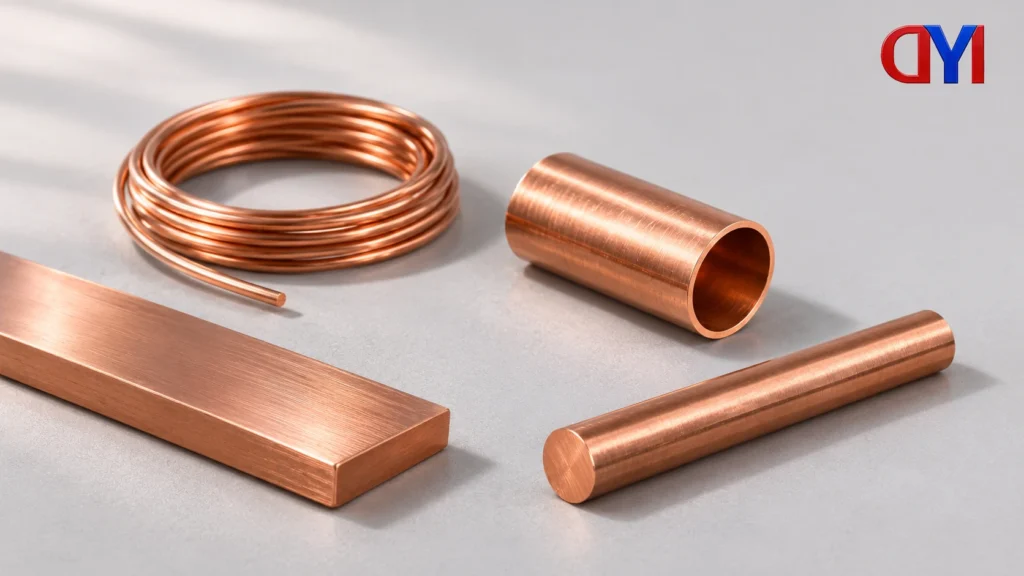
Copper carries electrical current, transfers heat and can be worked into useful shapes. Those properties explain its place in electrical products, construction and industrial machinery. The relevant form may be wire, strip, bar, tube or a machined component, depending on the job.
Knowing where copper is used, for what purpose and in which form is a starting point. To select material for a real part, connect the intended function to a grade, geometry, condition and the evidence required for that component.
Where copper is used, for what purpose, and in which form
Electrical conduction and heat transfer are two major reasons for choosing copper. Its ductility and malleability also make it useful where material must be formed into practical shapes. The Royal Society of Chemistry links copper’s conductivity and workability with electrical, construction and machinery uses.
The same metal can serve different purposes in different parts. A conductor needs an electrical path; a thermal component needs to move heat; a shaped part must meet its geometry and service requirements. Begin by identifying that purpose rather than assuming every copper application calls for the same material specification.
| Application example | Why copper is relevant | What the application name leaves open |
|---|---|---|
| Electrical wire or cable | Electrical conduction and a workable material form. | The grade, finished construction and application requirements. |
| Conductor bar or strip | A shaped current-carrying path. | The connection geometry and qualification of the complete component. |
| Heat exchanger or cooling component | Thermal conduction helps move heat. | The environment, fluid, joining arrangement and complete thermal design. |
| Roofing or plumbing component | A useful formed metal for the named building application. | The component specification and relevant service evidence. |
| Continuous-casting mold | Heat removal supports solidification of the cast metal. | The mold material specification and actual design qualification. |
Electrical conductors and connection components
Copper is processed into wires, cables, conductor bars and strips for electrical engineering. Its electrical conductivity helps explain these uses, but conductivity is only one part of the selection task. Mechanical demands, the required form and the way the component interfaces with other parts still matter.
A flexible wire and a rigid bar can both carry current while answering different geometry and handling requirements. Their forms reflect different ways of routing and connecting the conductive path.
Where additional strength or wear resistance is needed, copper alloys may be considered. That introduces a material-property tradeoff rather than a universal upgrade. Confirm the relevant grade-level properties instead of assuming every copper-based alloy retains the same conductivity.
Heat transfer and industrial equipment
Copper materials are used in heat exchangers, cooling systems and other apparatus where thermal conduction is useful. The role is to help move heat through a component, rather than simply to provide a metal surface with a copper color.
For a heat-transfer component, the fluid, environment and joining arrangement distinguish one duty from another. These application details belong alongside the thermal-conduction requirement.
Construction and machinery examples
In construction, the Royal Society of Chemistry lists roofing and plumbing among copper’s uses. A roof covering and a fluid-carrying component have different functions from an electrical conductor. The intended building component determines the material form and service questions.
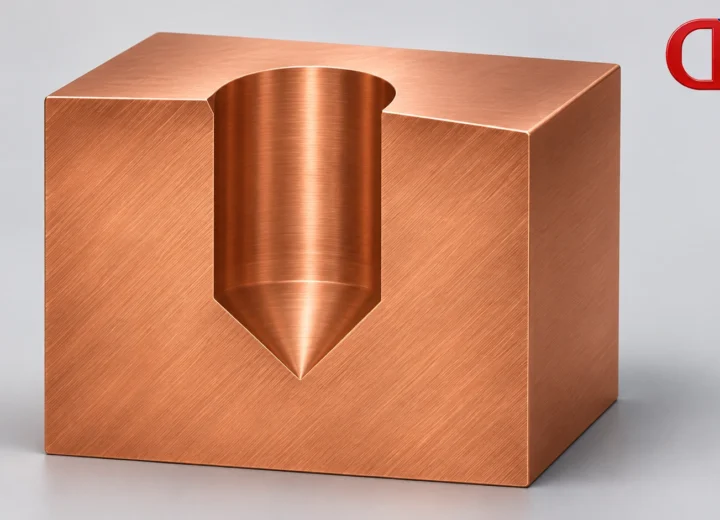
In industrial machinery, heat removal can be the central task. Kupferverband identifies continuous-casting molds as an example: heat must be removed so molten metal can solidify quickly. This is a thermal application of copper, distinct from using it as a current path. This is a general industry example, not a DONGYAO product offering.
Replace a broad property request with an application question
Consider the phrase “copper with good conductivity.” For a current path, the discussion concerns electrical conductivity and the complete connection arrangement. For a cooling component, the immediate property question concerns thermal conduction, together with the heat-transfer design and service environment. Using the same word without identifying the function leaves the material discussion ambiguous.
A clearer request names the intended function and the approved material requirement, then identifies which property evidence is missing. If the choice is between copper-based families, use the copper, brass and bronze comparison to frame that choice. Do not assume that an alloy chosen for a mechanical reason has unchanged electrical properties.
If the question concerns a surface change during storage or service, the separate copper oxidation and corrosion guide explains the terminology. That is a different investigation from deciding which industrial function the part must perform. Keeping the questions distinct helps an application discussion reach the evidence it actually needs.
Translate the function into a part inquiry
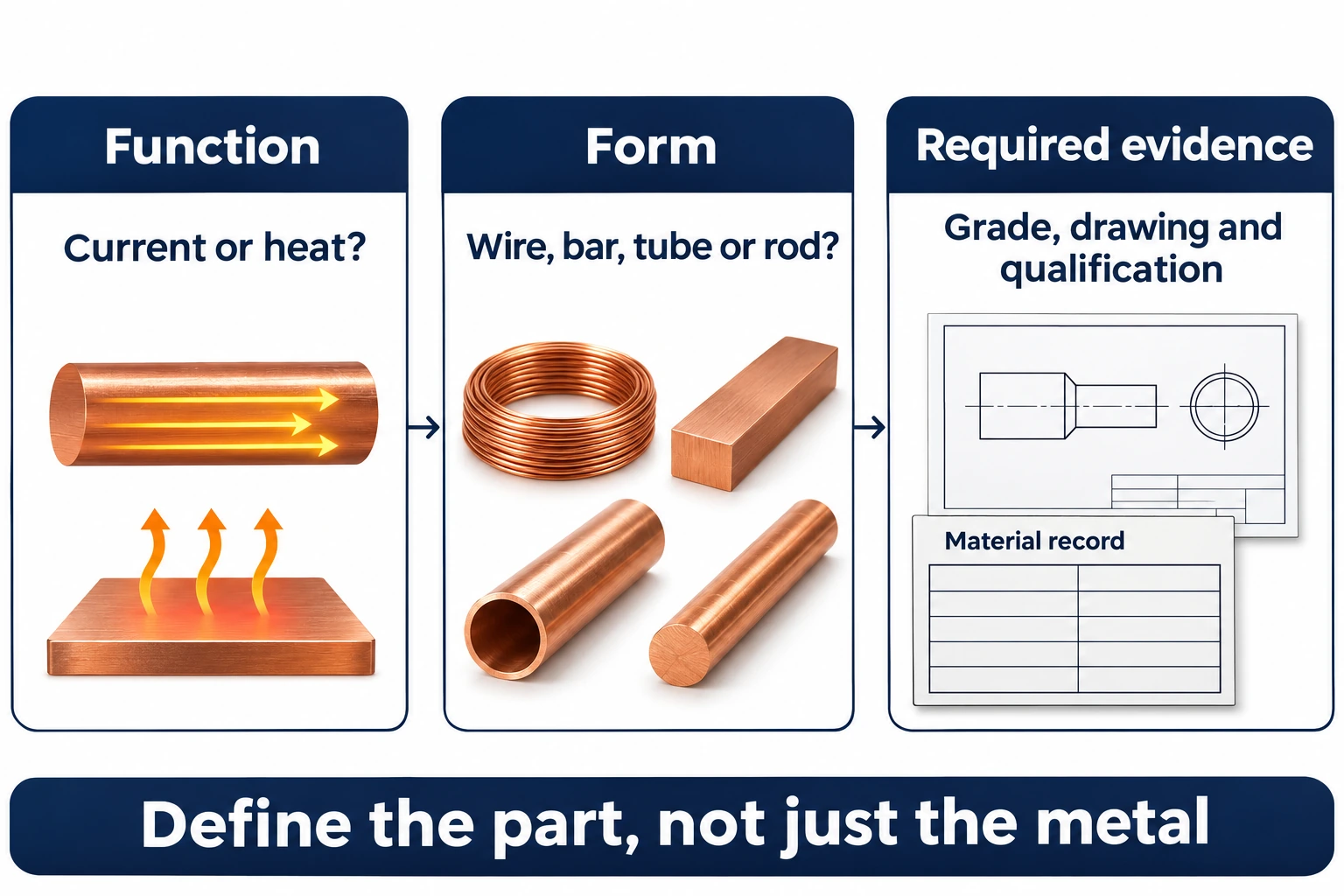
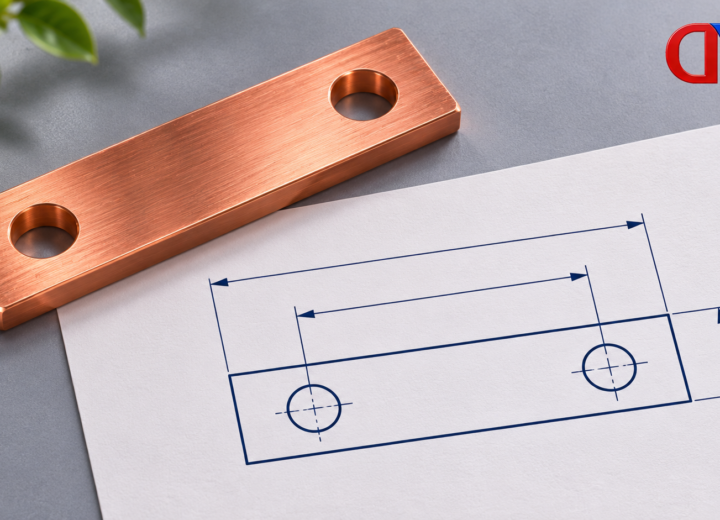
For an illustrative inquiry, suppose a drawing requires a copper component with a particular outline and several connection features. Identify what the part must do, which surfaces and relationships are critical, and what material condition the drawing requires. Those details are more useful than an unexplained request for “industrial copper.”
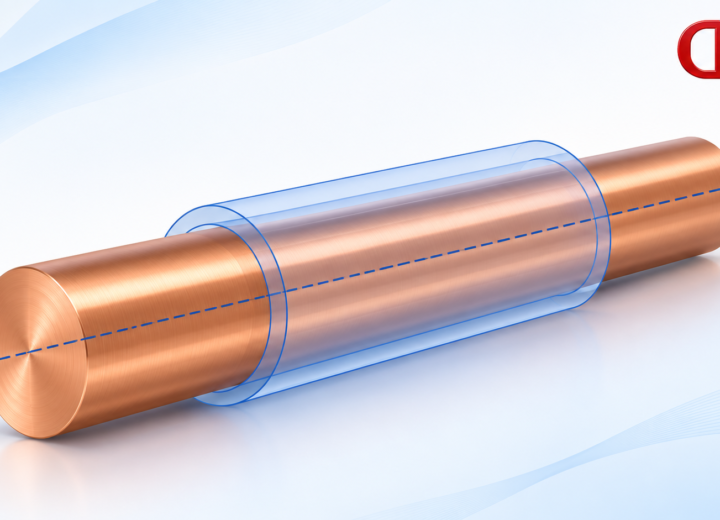
Then separate stock selection from the finished-component decision. DONGYAO’s copper rod product is a relevant starting point for rod-form material inquiries. A drawing for a custom bar can instead be discussed through the custom grounding copper-bar product. Confirm the actual grade, dimensions, finish and requested inspection evidence for the inquiry.
Finally, specify what qualification belongs to the completed component or assembly. A stock-material description does not establish a current rating, thermal performance or certified installation. Keep those requirements attached to the applicable design and evidence, so the useful properties of copper lead to a clearly defined part.
References
- Royal Society of Chemistry: Copper uses and properties
- Kupferverband: Electrical engineering and energy
- Kupferverband: Industrial applications
For related conductor products, view the product categories.