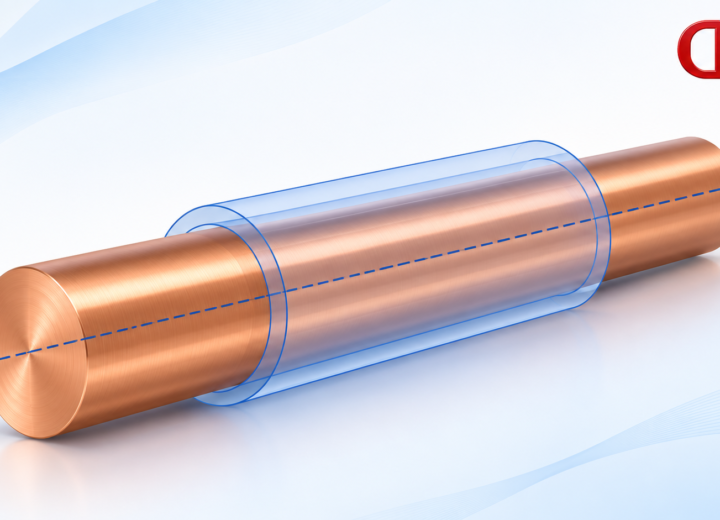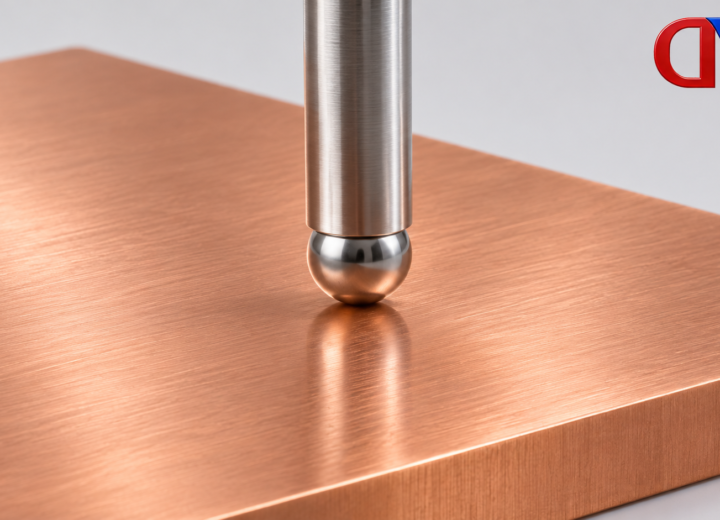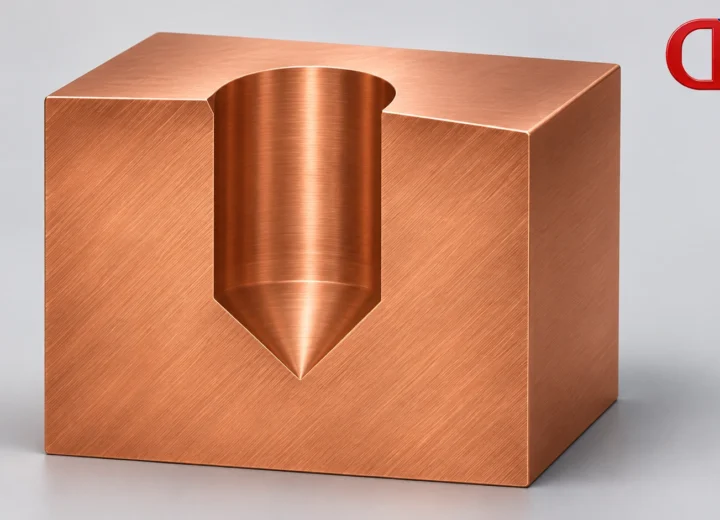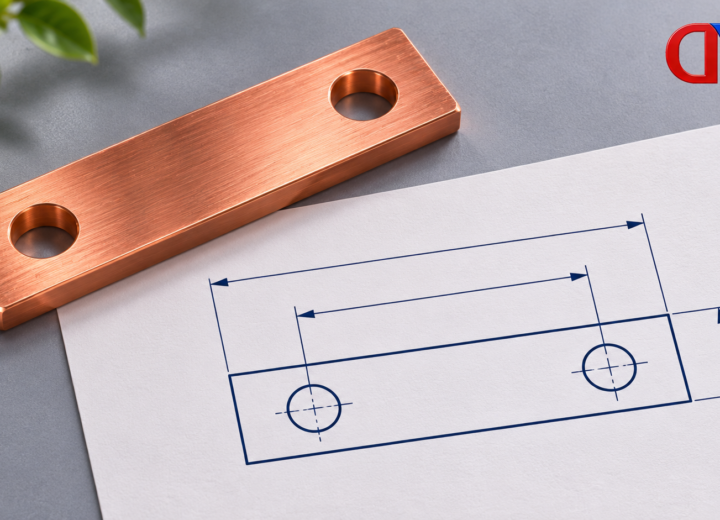
When a cabinet buyer in Milton Keynes, Sofia, encountered inconsistent contact surfaces on a grounding-strip order, every piece had the expected silver appearance. In this illustrative scenario, the order had called for TMY copper without defining the tin finish. The correction was to specify the base metal, coating and connection requirements separately.
Summary: Tin-plated copper strip combines a specified copper substrate with a specified tin finish. TMY by itself does not define the tin coating thickness or approve a grounding assembly. ASTM B545 covers electrodeposited tin coatings within its scope; thickness and adhesion require suitable checks, and the protective path needs separate verification.
Separate the copper designation from the surface finish
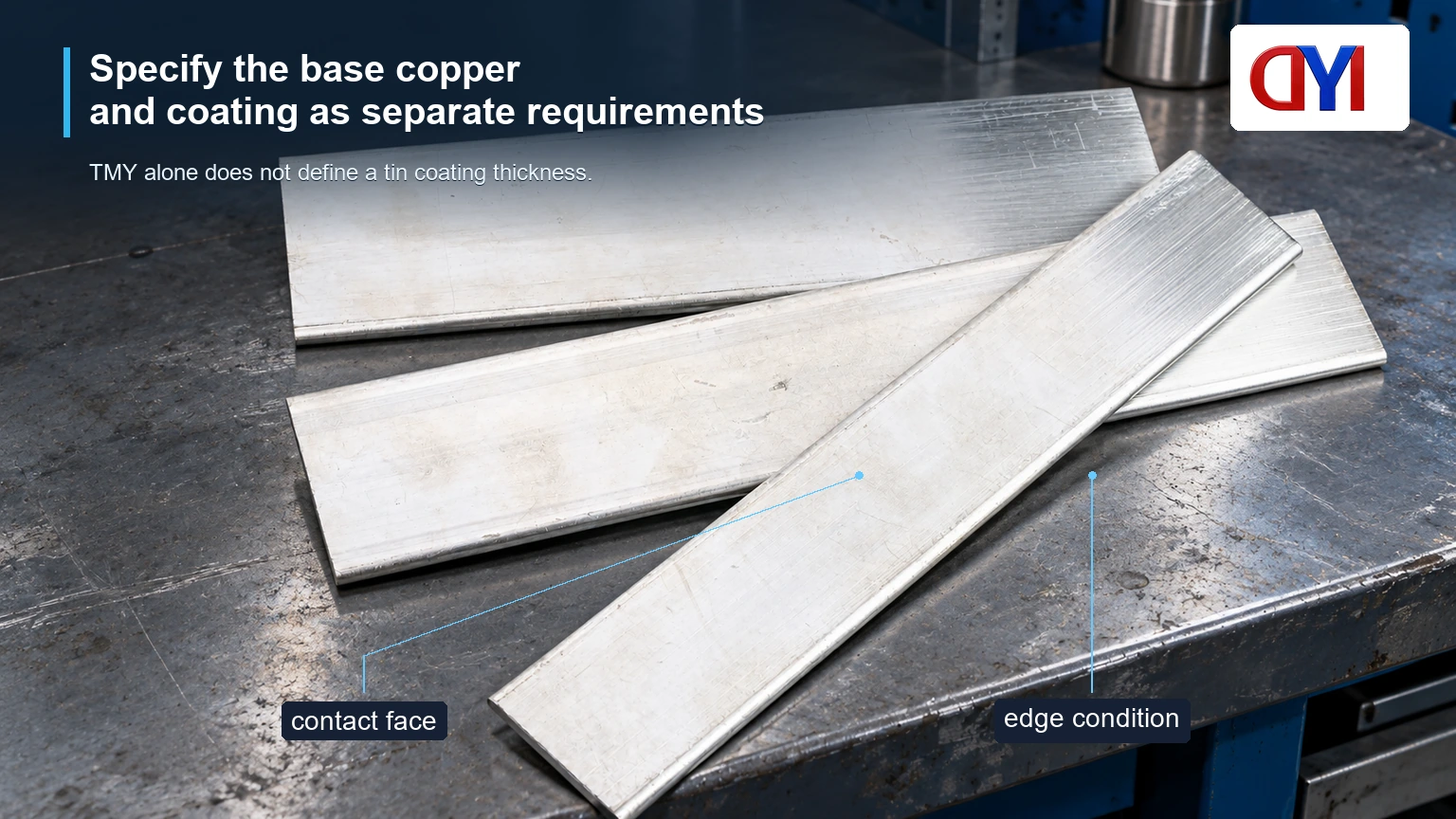
TMY is used in Chinese supply terminology for hard copper busbar, but the abbreviation alone is not a complete material specification. Confirm the governing standard, grade, condition and dimensions on the order. In particular, do not treat TMY as proof of oxygen-free copper, a particular purity or a tin thickness.
ASTM B187/B187M provides a product framework for specified copper bar, rod and shapes. Rolled strip may fall under a different applicable product specification. Confirm the correct scope for the supplied form rather than attaching a familiar standard number to every flat copper product.
| Supply option | What it provides | What still needs verification |
|---|---|---|
| Bare copper strip | Specified copper with its supplied surface | Material, condition and approved joint preparation |
| Tin-plated copper strip | Copper plus an identified tin finish | Coating method, thickness, adhesion and contact condition |
| TMY-described bar | A commercial base-material/condition description | Governing specification and every finish requirement |
| Finished grounding connection | A defined protective-path component | Terminations, bonding arrangement and assembly evidence |
Choose a tin finish for the actual process
Tin coatings can be used to provide a specified contact surface, facilitate soldering or address a defined corrosion requirement. That does not mean that tin plating improves every joint or makes an assembly maintenance-free. The mating material, contact pressure and environmental conditions still matter.
ASTM B545 explicitly addresses electrodeposited tin on metallic articles and excludes hot-dipped tin and other non-electrodeposited coatings from its scope. If a supplier proposes another coating route, identify its own specification and acceptance basis. Do not silently apply an electroplating standard to a different process.
State the required finish appearance, local thickness criterion, locations, adhesion assessment and any masking. A glossy face is not a thickness measurement. For a hypothetical requirement of at least 5 µm at specified locations, readings of 4, 6 and 8 µm would not all comply even though the average is 6 µm. These numbers illustrate local-minimum logic, not a recommended coating class.
Inspect coating continuity and contact surfaces
Look for damage, exposed areas where coating is required, contamination and conditions that could affect the approved contact interface. Define which surfaces are functional and how they are protected during handling. Avoid aggressive cleaning that removes a finish the design requires.
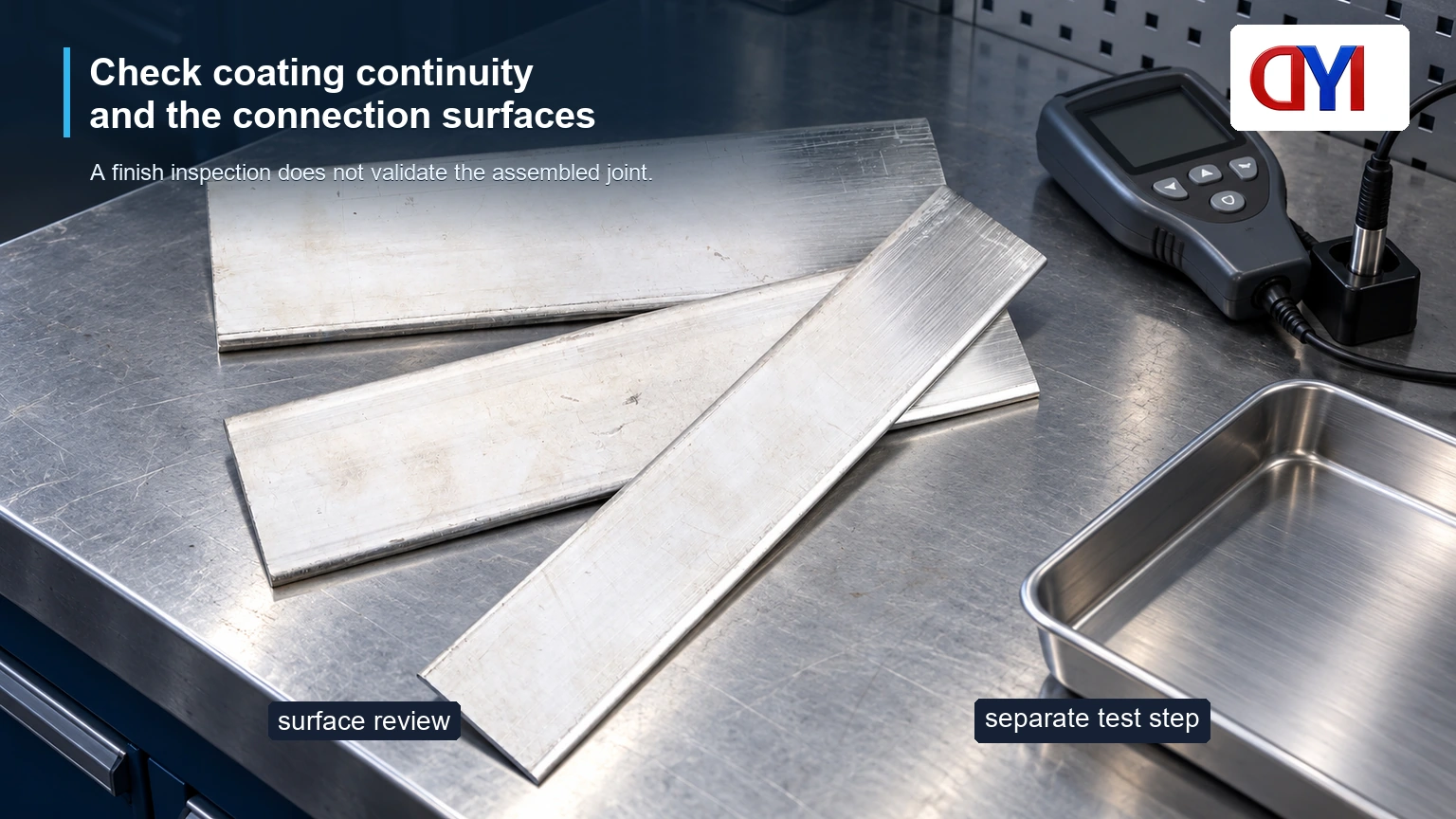
ASTM B568 is an X-ray spectrometry method for coating thickness where the material combination and measurement conditions are suitable. ASTM B571 provides qualitative adhesion practices. The test selected should reflect the part’s downstream forming or service. Thickness, adhesion and visual continuity are related inspection subjects, but one favorable result cannot substitute for all three.
| Inspection subject | Specify before production | Record |
|---|---|---|
| Base copper | Grade, condition and product standard | Lot-linked material evidence |
| Tin coating | Process and thickness criterion | Method, locations and results |
| Adhesion | Applicable qualitative test and stage | Test condition and outcome |
| Contact surface | Finish, permitted damage and handling | Finished-part inspection |
| Grounding arrangement | Approved terminations and intended bond | Assembly inspection and required tests |
If bars are cut or drilled after plating, newly exposed edges or holes may need separate treatment. If fabrication occurs first, ensure that the resulting surfaces can meet the specified coating requirement. Agree on the sequence rather than assuming a stock finish survives every operation unchanged.
Validate grounding performance separately
The grounding path requirement in OSHA 29 CFR 1910.304 is permanent, continuous and effective. A plated strip can be part of such a path, but coating appearance does not demonstrate it. The bar, terminations, supports and enclosure bonding arrangement must follow the approved equipment design.
A continuity check is not an earth-electrode resistance test, and neither automatically proves fault withstand. Define the actual tests, points and acceptance limits required for the assembly. The grounding-bar explanation provides context for separating these functions.
Compare total accepted-part cost, including coating, handling protection, post-fabrication work and inspection. A lower price based on average thickness may not be comparable to a quote guaranteeing a specified local minimum. Obtain actual quotations rather than assuming a fixed cost premium for tin.
Purchase with a complete finish requirement
- Define the copper grade, condition and stock dimensions.
- Specify coating method, thickness criterion and functional surfaces.
- Agree on fabrication sequence and thickness/adhesion inspection.
- Confirm the approved grounding connections and assembly verification.
DONGYAO’s tin-plated copper busbar is a supply reference. Request the exact offered substrate and coating records for the project. An ASTM reference on the quote describes a requirement, not an independent product certification.
Frequently asked questions
What is the purpose of tin plating on copper?
It provides a specified surface for the intended contact, soldering or environmental requirement. Its suitability depends on the complete construction and service. State the purpose and acceptance criteria rather than relying on appearance.
Is tin plated copper good?
It can be suitable when the base copper, coating and connection design meet the application. It is not automatically better for every environment or joint. Compare the approved requirements and test evidence.
What is tinned copper strip used for?
It may be used in electrical connection and grounding-related parts where the finish is specified. The actual bar and joint still need application-specific design. A strip’s surface color does not establish a rating.
How does tin-plated copper strip differ from bare copper strip?
Tin-plated strip adds a coating with its own process and acceptance requirements. The base copper grade and condition must still be specified. Bare and plated stock should not be substituted without checking the joint design.
Does the TMY designation by itself specify the tin coating thickness?
No. Confirm the applicable base-material designation and add a separate tin-finish specification. Include the coating process, thickness criterion and inspection locations.
Which coating and contact-surface requirements should be included in a grounding strip RFQ?
State coating method, local or average thickness criterion, adhesion assessment and functional contact areas. Add masking, permitted damage, post-fabrication treatment and packaging. Keep assembly and protective-path verification separate.
References
- ASTM B545: electrodeposited tin coatings
- ASTM B568: X-ray coating-thickness measurement
- ASTM B571: qualitative coating adhesion tests
- 29 CFR 1910.304: grounding-path requirements
Order the substrate, finish and connection as separate controlled requirements. Contact DONGYAO with the drawing and coating criteria for a documented quotation.
For related conductor products, view the product categories.